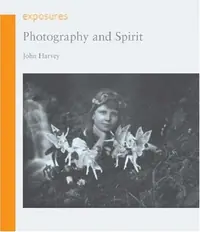
Photography and Spirit Harvey, John


This edition can be ordered. No arrival date is confirmed.
Can light truly capture the elusive echoes of the spiritual realm?
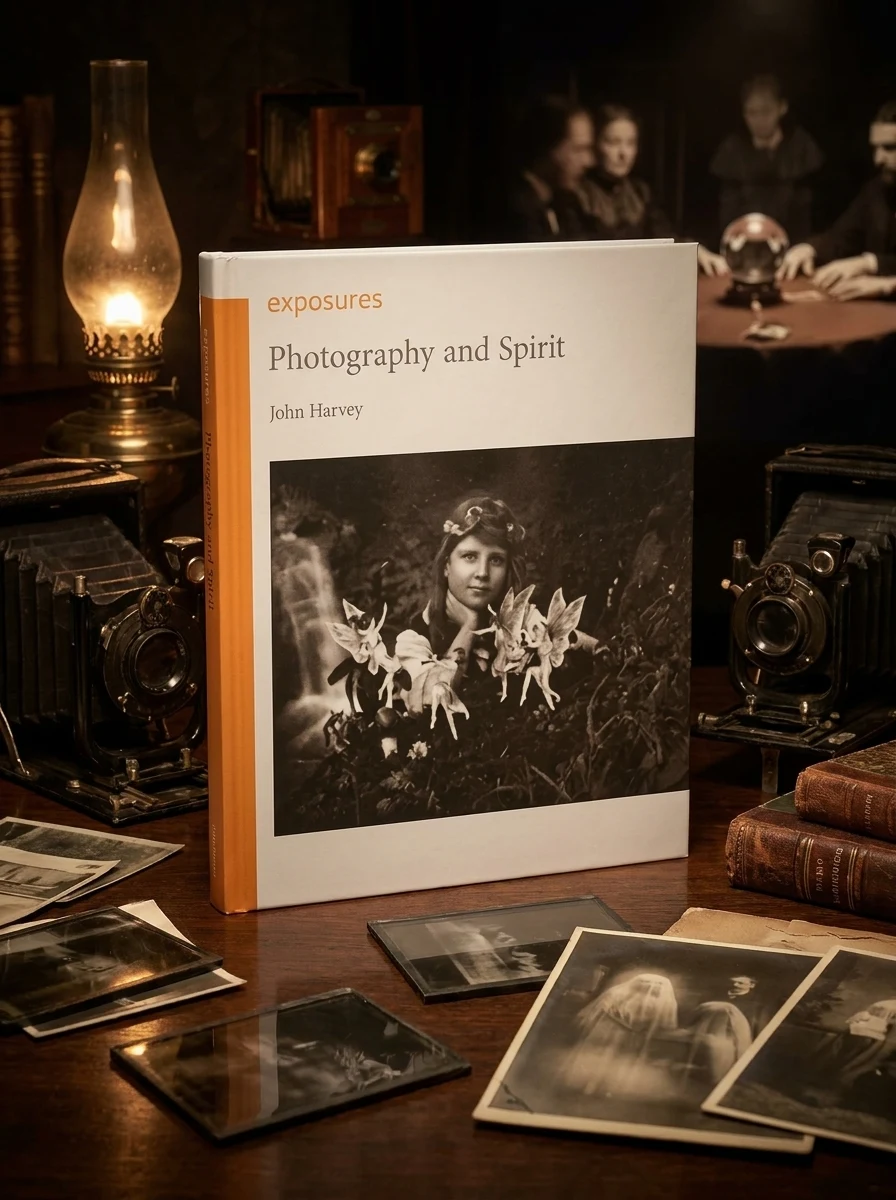
John Harvey’s "Photography and Spirit" delves into the captivating and often contentious history of images purporting to show specters, ethereal beings, and otherworldly phenomena. Spanning from the 1860s to contemporary times, this volume explores how these intriguing photographs—taken by scientists, amateurs, and even surveillance tech—have been both dismissed as trickery and embraced as undeniable evidence of the beyond. Through an examination of eighty diverse images, Harvey unearths the profound connections between these enigmatic pictures, human imagination, and broader cultural narratives, transforming them from mere curiosities into significant historical artifacts.
This work situates itself within the rich and contentious tradition of spiritualism, examining the intersection of early photographic technology with the human quest for contact with the afterlife. It bridges the gap between scientific inquiry and metaphysical belief during a period when the camera was viewed as a potential medium for revealing hidden realities.


📝 Description: Photography and Spirit Harvey, John
💎 Expert review
📖 Why choose it
Why this book is worth reading
Enthusiasts of the occult, historians of photography, and curious minds seeking to understand how technology influences belief will find profound value in this exploration. John Harvey offers a compelling narrative that transforms seemingly frivolous curiosities into significant historical artifacts. By analyzing eighty diverse images, he reveals how human imagination and cultural narratives shape our perception of the spiritual realm. This book is essential for those who wish to look beyond the surface of these enigmatic pictures, understanding their role in broader discussions about existence, evidence, and the elusive nature of reality. It provides a nuanced perspective on why we continue to seek proof of the beyond through the lens of the camera.
⭐ Reader reviews
Reader rating
Harvey’s volume is a fascinating archaeological dig into the psyche of the spiritualist movement, offering fresh insights into how images were weaponized as evidence. However, readers seeking definitive proof of the supernatural or those with a rigidly materialist worldview may find the text frustratingly ambiguous. The book does not aim to convince skeptics but rather to contextualize why these images mattered culturally. It is best suited for those comfortable with historical analysis and open to the idea that belief systems can be studied as artfully constructed narratives rather than factual records.
❓ Frequently asked questions
📖 Who should read this
If you're captivated by the intersection of early photography, spiritualism, and the history of belief, this book offers a fascinating journey. It’s perfect for those who appreciate a scholarly yet accessible exploration of how technology and the occult have intertwined throughout history.
🎯 Key themes and symbolism
Seeing the Unseen
This book meticulously chronicles the enduring human fascination with capturing what lies beyond the ordinary visual spectrum. It investigates how photographic technology, from early plate cameras to modern digital sensors, has been employed—and sometimes manipulated—to render visible the elusive world of spirits and apparitions, challenging our perceptions of reality.
Art, Science, and Belief
Harvey skillfully navigates the complex interplay between artistic expression, scientific inquiry, and spiritual belief systems as they converge in spirit photography. He reveals how these images have been interpreted through the lenses of religious doctrine, empirical investigation, and aesthetic appreciation, showcasing the multifaceted reactions they provoke across different cultural contexts.
Mirroring Cultural Beliefs
Far from being mere anomalies, the book posits that spirit photographs serve as powerful reflections of societal anxieties, desires, and evolving understandings of death and the afterlife. By analyzing their origins and reception, Harvey uncovers how these images contribute to a deeper understanding of our collective cultural history and the enduring appeal of the supernatural.
💬 Quotes from the book
“The camera, once hailed as an objective recorder of reality, became an unexpected conduit for the ethereal, blurring the lines between what is seen and what is believed.”
“To dismiss these images solely as hoaxes is to overlook their profound cultural resonance, their capacity to reflect deep-seated human anxieties about mortality and the unseen.”
📜 Historical context
📚 Glossary
- Spirit photography
- Psychical emanations
- Apparition
📔 Questions to reflect on
- Consider a time you encountered an image or phenomenon that challenged your understanding of reality. How did you reconcile the tangible with the seemingly impossible?
- In what ways does technology shape our beliefs about the supernatural, both historically and in the present day? Can a machine truly capture a soul?
- Reflect on the human need for 'proof' of the afterlife. How do images, even ambiguous ones, fulfill this need or fuel skepticism?
🏛 Books from this publisher Reaktion Books
All books from this publisher →
You might also like
See more →