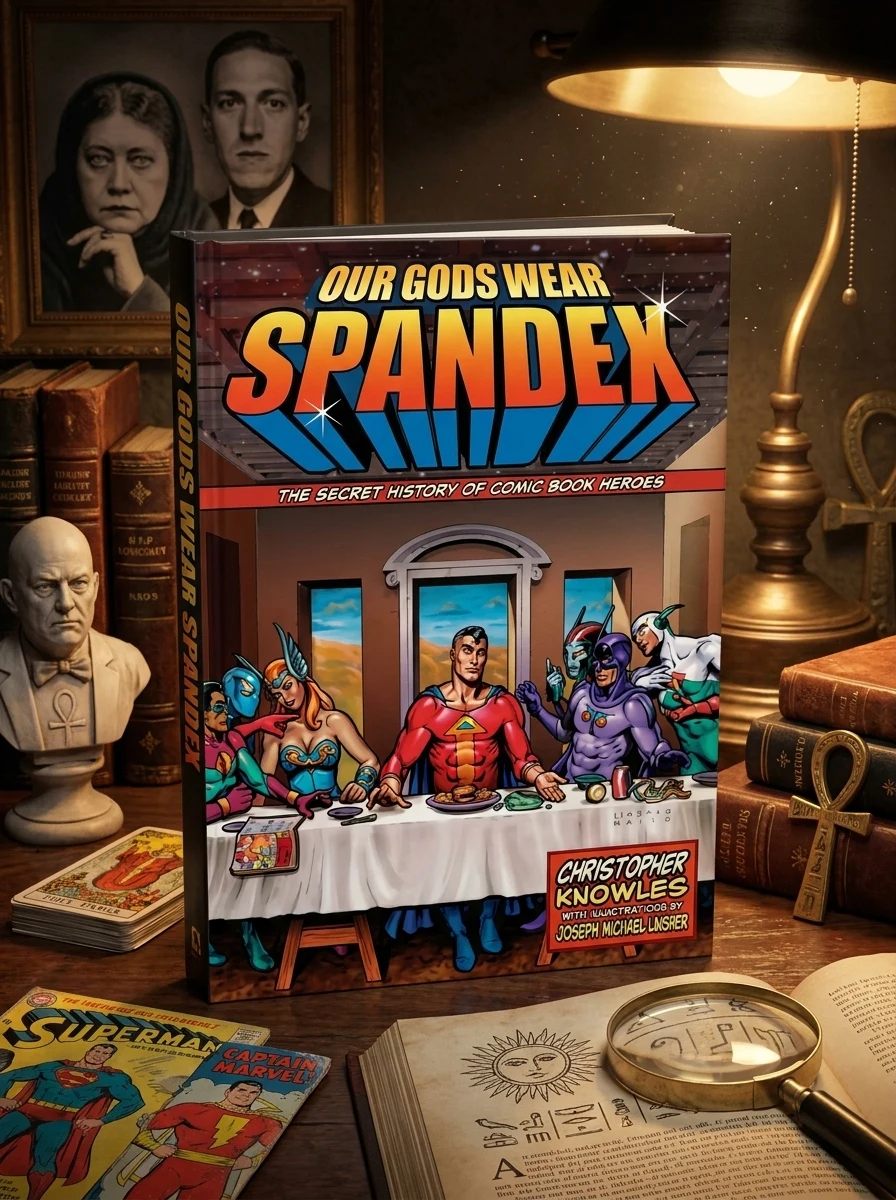
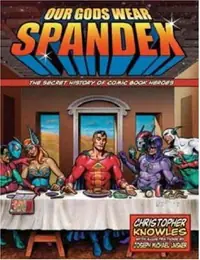
Our Gods Wear Spandex: The Secret History of Comic Book Heroes
This edition can be ordered. No arrival date is confirmed.
Unmask the hidden esoteric currents flowing through your favorite caped crusaders.
Christopher Knowles delves into the fascinating, often overlooked connections between the mystical traditions of esotericism and the birth of iconic comic book heroes. From tracing the surprising influence of Madame Blavatsky's Theosophy on early narratives to exploring the potential links between historical occult figures and fictional antagonists, this volume unearths a rich tapestry. It reveals how the burgeoning occult scene of the late 19th and early 20th centuries provided fertile ground for the archetypal figures who would become our modern gods in spandex, offering a fresh perspective on their origins.
This work sits at the intersection of popular culture studies and esoteric history, exploring the mystical undercurrents that influenced the creation of modern comic book archetypes. It bridges the gap between late 19th-century occult movements and the birth of superhero narratives.


📝 Description: Our Gods Wear Spandex: The Secret History of Comic Book Heroes
💎 Expert review
📖 Why choose it
Why this book is worth reading
Readers fascinated by the hidden spiritual architectures behind pop culture will find this book a delightful revelation. If you have ever wondered why certain superhero traits feel so mythically resonant, this text provides the missing link. It is perfect for comic enthusiasts who crave deeper meaning beyond the action panels and for occultists interested in how ancient archetypes migrate into modern media. By tracing the influence of Theosophy and other esoteric currents on early narratives, it offers a fresh perspective on our modern gods. You will gain a new appreciation for the cultural alchemy that transformed mystical traditions into caped crusaders, making this an essential read for anyone curious about the secret history of imagination.
⭐ Reader reviews
Reader rating
Knowles and Linsner deliver a compelling exploration of the esoteric roots of comic book heroes, effectively unmasking the Theosophical influences on iconic characters. The narrative is engaging and offers genuine insight into the birth of these archetypes. However, readers seeking rigorous academic citations or dry historical analysis may find the tone too accessible or speculative. It does not suit those who view comics strictly as juvenile entertainment devoid of cultural weight. This book is best for open-minded explorers willing to entertain the idea that our modern myths are rooted in older mystical traditions, rather than pure scientific or literary critique.
❓ Frequently asked questions
📖 Who should read this
If you've ever wondered about the deeper, hidden meanings behind your favorite comic book characters, or if you're an occult student seeking to understand esoteric influences in modern culture, this book is for you. It offers a unique synthesis of two seemingly disparate worlds.
🎯 Key themes and symbolism
Occult Origins of Heroes
This book meticulously details how the spiritual and esoteric movements of the late 1800s and early 1900s profoundly shaped the creation of superheroes. It reveals how figures like Madame Blavatsky and the broader Theosophical movement influenced narrative structures and character development, suggesting that the fantastical elements of comics were not born in a vacuum but from a deeply enchanted cultural landscape.
Archetypal Character Blueprints
Knowles identifies four fundamental superhero archetypes—the Messiah, the Golem, the Amazon, and the Brotherhood—and demonstrates their profound roots in ancient myth, folklore, and esoteric thought. By dissecting these foundational patterns, the book offers a deeper understanding of why certain hero narratives resonate so powerfully, connecting modern pop culture to timeless spiritual and mythological frameworks.
Esotericism in Pop Culture
Beyond just character origins, the work explores how the "occult Bohemian underground" of the early 20th century, a crucible of esoteric ideas and artistic expression, directly inspired the burgeoning comic book industry. It highlights intriguing, often little-known connections, such as a prominent DC Comics editor's early career tied to H.P. Lovecraft, illustrating the pervasive, subtle influence of the arcane on mainstream entertainment.
💬 Quotes from the book
“The capes and tights of our heroes are not merely costumes; they are vestments, shrouding ancient, powerful symbols that whisper of forgotten gods and hidden knowledge.”
“To understand the Man of Steel, one must first look beyond Krypton, to the spiritual currents of turn-of-the-century mysticism and the archetypal narratives that birthed him.”
📜 Historical context
📚 Glossary
- Theosophy
- Golem
- Occult Bohemian Underground
📔 Questions to reflect on
- Considering the archetypes presented, which superhero or villain do you feel most strongly embodies a particular esoteric tradition, and why?
- How does understanding the occult origins of superheroes change your perception of their stories or their cultural impact?
- Reflect on how modern media might still be subtly influenced by esoteric ideas today, perhaps without overt acknowledgment.
🏛 Books from this publisher Weiser Books
All books from this publisher →


 87
87

You might also like
See more →