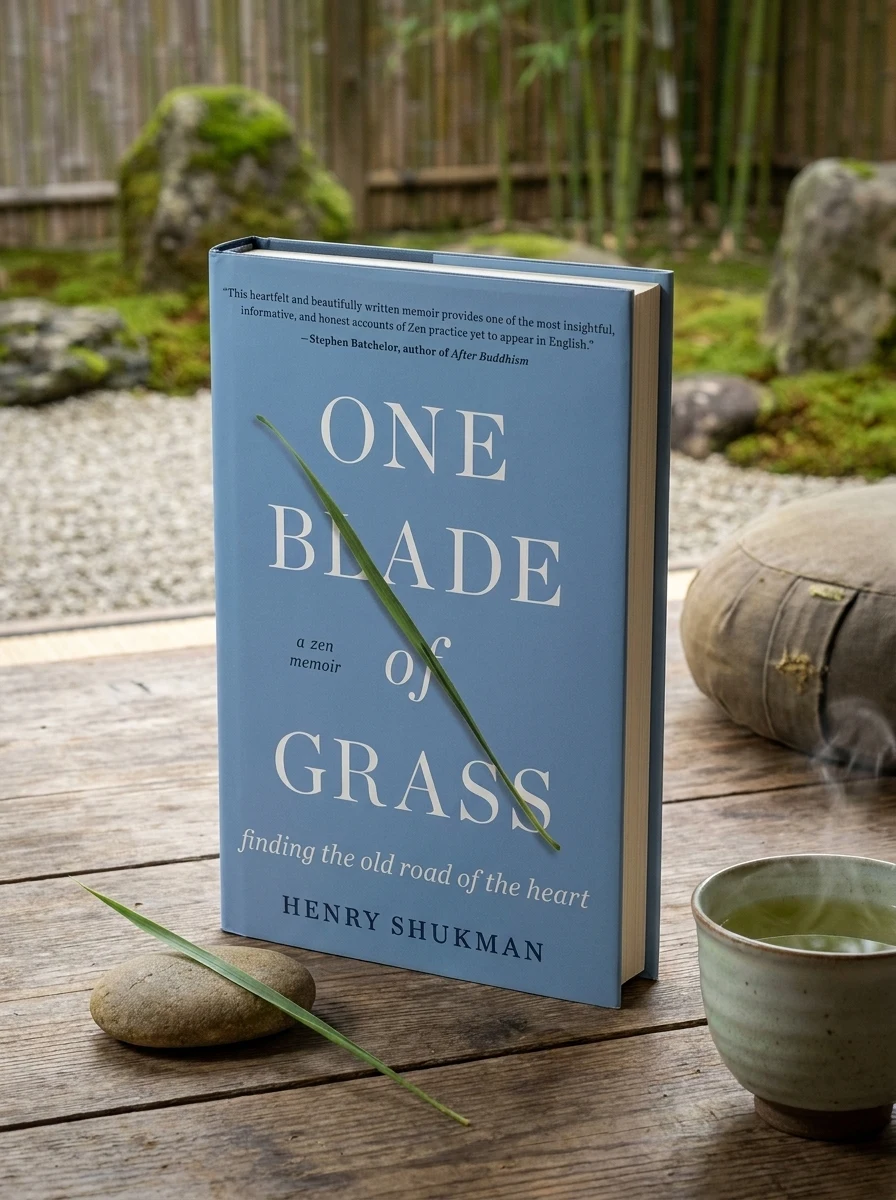
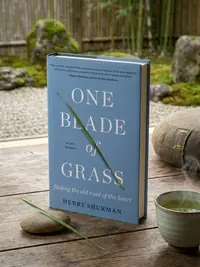
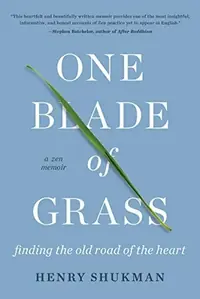
One Blade of Grass: Finding the Old Road of the Heart, a Zen Memoir


Stock reported in the catalog; fulfillment is confirmed with your request.
Discover how a single blade of grass can illuminate the path to profound inner peace and healing.
This compelling memoir chronicles Henry Shukman's transformative journey, detailing his lifelong struggle with debilitating anxiety, depression, and chronic illness. Through the unexpected embrace of Zen Buddhist practice, Shukman uncovers deep spiritual wisdom that not only alleviates his suffering but also integrates a sudden, profound awakening into his daily existence. With candid humor and touching honesty, he makes the esoteric accessible, demonstrating how contemplative disciplines can reveal life's hidden truths and foster genuine well-being for anyone willing to look within.
This work sits at the intersection of contemporary Western memoir and traditional Zen Buddhist practice, reflecting a modern trend of integrating ancient contemplative disciplines with personal narrative therapy. It bridges the gap between classical esoteric wisdom and accessible, lived experience in the present day.


📝 Description: One Blade of Grass: Finding the Old Road of the Heart, a Zen Memoir
💎 Expert review
📖 Why choose it
Why this book is worth reading
Readers grappling with anxiety, depression, or chronic illness will find profound comfort in Shukman’s candid journey toward healing through Zen practice. This book is ideal for those seeking to understand how spiritual disciplines can be woven into daily life without requiring dogmatic adherence. It offers a gentle, humorous, and honest guide for anyone willing to look within, demonstrating that profound inner peace is accessible through simple contemplation. Whether you are new to esoteric traditions or a seasoned seeker, Shukman makes the path to well-being feel attainable and deeply human.
⭐ Reader reviews
Reader rating
Shukman successfully demystifies Zen by grounding it in the messy reality of chronic illness and mental health struggles. His candid humor prevents the text from becoming overly academic or pretentious, making esoteric concepts tangible for the layperson. However, readers seeking rigorous philosophical analysis or detached scholarly critique may find the memoir format too personal or subjective. It is not suited for those who prefer strict doctrinal instruction over experiential narrative. Ultimately, it serves best as a companion for those ready to explore their own interior landscapes with warmth and patience.
❓ Frequently asked questions
📖 Who should read this
If you're seeking a deeply personal account of Zen's practical applications for mental and spiritual well-being, or if you've faced similar life struggles, this memoir offers a compassionate, often humorous, and ultimately hopeful companion on your own path to self-discovery and inner peace.
🎯 Key themes and symbolism
Zen as a Healing Path
Shukman's personal narrative showcases how Zen meditation offers a practical framework for overcoming chronic mental and physical ailments. It moves beyond mere coping mechanisms, illustrating a journey towards genuine recovery and the holistic integration of mind, body, and spirit through mindful practice.
Integrating Spiritual Awakening
The book explores the experience of sudden, transformative spiritual insight, often termed 'satori,' and the subsequent process of grounding such profound moments into the fabric of everyday life. It offers a unique perspective on blending the sacred and the mundane after a deep awakening.
Humor in Self-Discovery
The narrative's use of wit and levity stands out, approaching challenging personal struggles and complex spiritual concepts with an engaging, relatable tone. This humor underscores the very human element of enlightenment, making the journey accessible and deeply resonant for readers.
💬 Quotes from the book
“My mind, once a tempest of worry and self-doubt, began to settle, not like a pond turning still, but like a river finally finding its banks.”
“Enlightenment, I discovered, wasn't a destination atop a distant mountain, but the very ground beneath my ordinary, often clumsy, feet.”
📜 Historical context
📚 Glossary
- Zen
- Satori
- Mindfulness
📔 Questions to reflect on
- Reflect on a personal struggle you've faced. How might a contemplative practice shift your perspective on it?
- Consider a moment of unexpected clarity or insight in your own life. How did you integrate that experience into your daily routine?
- What does 'finding the old road of the heart' mean to you in your current life circumstances, and how might you begin to walk it?



You might also like
See more →