Magia oriental
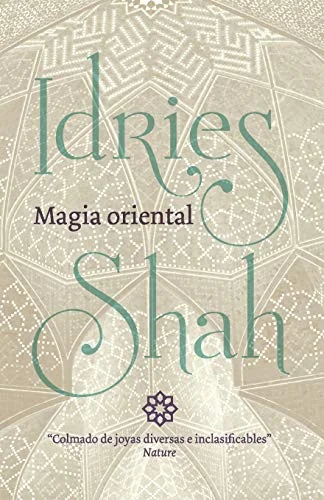
✍️ Shah, IdriesAn anthropological study of esoteric beliefs and informal practices from North Africa to Japan.
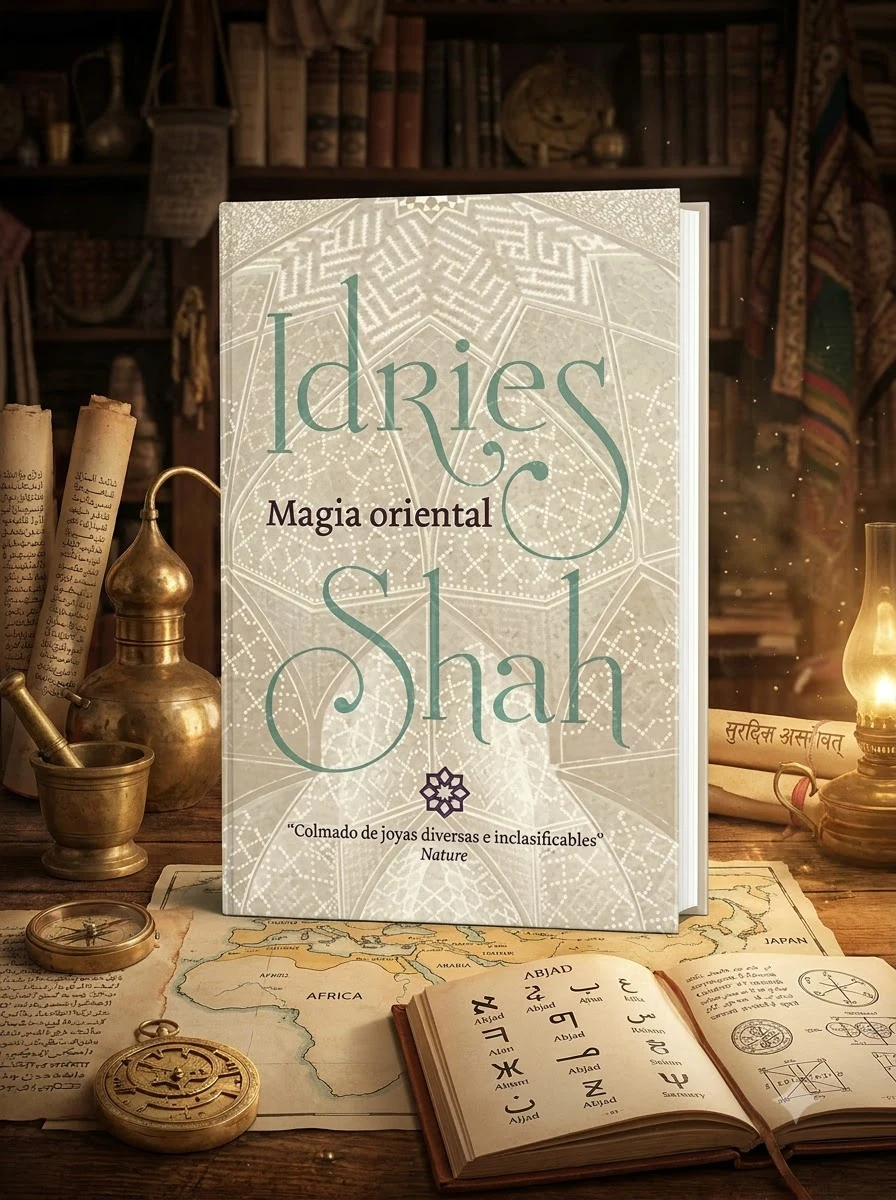
This volume documents the informal belief systems and magical practices found across twelve distinct cultural regions. Idries Shah spent years conducting field work to compile concrete evidence of traditional sorcery, including Brahmanic immortality conjurations, Arabic Abjad letter systems, Indian alchemical methods, and regional talismanic spellwork. Richly illustrated, the text presents a direct cultural and social science account of how populations in these areas construct and maintain esoteric frameworks.
Rooted in social science and cultural anthropology, this work examines informal belief systems across twelve diverse regions spanning from North Africa to Japan. It focuses on traditional esoteric practices, ancient Brahman rituals, and historical Arabic systems of thought.


📝 Description: Magia oriental
💎 Expert review
📖 Why choose it
Why this book is worth reading
Readers deeply captivated by the intricate tapestry of human belief systems will find this text indispensable. Idries Shah offers a brilliant ethnographic lens, illuminating how and why people think across diverse regions like North African deserts and Japanese shrines. Those seeking to understand the hidden currents of cultural psychology and esoteric practices worldwide will gain profound insight through his meticulous research. It is perfect for scholars and enthusiasts eager to explore the intersection of folklore, philosophy, and human behavior without needing prior specialized knowledge, making complex cultural dynamics accessible and engaging.
⭐ Reader reviews
Reader rating
Shah’s profusely illustrated volume stands as a monumental achievement in cultural understanding, offering scholarly precision across a dozen regions. However, it is not suited for those seeking quick, superficial entertainment or strict scientific data analysis. Readers expecting dry academic jargon might find the ethnographic narrative too broad, while those looking for prescriptive magical formulas will be disappointed by its descriptive nature. It demands patience and an open mind to appreciate the nuanced connections between disparate belief systems, making it less ideal for casual browsing but rewarding for dedicated students of comparative religion and anthropology.
❓ Frequently asked questions
📖 Who should read this
If you're drawn to the enigmatic power of global magical traditions, or seek to understand the very fabric of human belief systems beyond formal religion, this comprehensive exploration is essential. It's for the curious mind eager to journey through the world's informal spiritual landscapes.
🎯 Key themes and symbolism
Cross-Cultural Esotericism
Shah meticulously maps out the diverse tapestry of esoteric traditions spanning continents. He illustrates how magical thought and informal beliefs manifest uniquely, yet echo universal human desires, offering a rare comparative lens on global magical practices and their underlying philosophies.
The Architecture of Belief
This work delves into the fundamental mechanics of human thought regarding the supernatural. Shah dissects not just *what* people believe, but the underlying psychological and cultural frameworks that give rise to these informal spiritual and magical systems, providing deep insight into the human mind.
Ancient Rites & Systems
Beyond theory, the book provides concrete examples of arcane knowledge. Readers will encounter details on Indian alchemical processes, the mystical numerical system of Abjad, the intricacies of divination, and the protective power of talismans, even an ancient Brahman spell for immortality.
📜 Historical context
📚 Glossary
- Abjad
- Talismanic
- Brahman
📔 Questions to reflect on
- How do informal beliefs and magical practices in your own culture compare to those described in "Magia Oriental"?
- Shah explores *why* people believe. What fundamental human needs or desires do you think magic attempts to fulfill?
- Consider the difference between a "formal religion" and an "informal belief system" as presented. Where do you draw the line, and why?
📖 Read on the blog
✍️ More books by this author Shah, Idries
All books by this author →



🏛 Books from this publisher Isf Publishing
All books from this publisher →You might also like
See more →





Have a question about this item?
Ask about the edition, condition, delivery or anything else — we reply by email or phone, usually within a day.
