Love Letter to the Earth
Nhat Hanh, Thich

Stock reported in the catalog; fulfillment is confirmed with your request.
Heal the Earth by embracing our inseparable connection to all life.
Thich Nhat Hanh, the revered Zen master, offers a profound spiritual perspective on our planet's ecological crisis. He argues that our perceived separation from nature, often fostered by the very concept of an "environment," fuels destructive consumerism. This work illuminates how a deeper sense of meaning and connection, cultivated through mindful living, is the essential foundation for true planetary healing. It's a compassionate call to awaken to our shared existence, proposing that only a profound inner shift can inspire the collective action needed to safeguard Earth's future.
This text emerges from the tradition of Engaged Buddhism, blending Zen mindfulness with contemporary ecological activism. It represents a significant intersection of spiritual practice and environmental ethics within modern mysticism.


📝 Description: Love Letter to the Earth
💎 Expert review
📖 Why choose it
Why this book is worth reading
Readers seeking a compassionate framework for environmental action will find profound solace in this work. It is ideal for those who feel overwhelmed by ecological grief but desire a path rooted in love rather than fear. Thich Nhat Hanh offers a gentle yet powerful invitation to heal the planet by first healing our internal sense of separation. Those who value mindful living and wish to understand how inner peace translates into outer stewardship will gain immense clarity. It serves as a vital resource for activists, teachers, and spiritual seekers alike, providing the essential emotional and philosophical foundation needed to sustain long-term commitment to planetary care without burning out.
⭐ Reader reviews
Reader rating
While beautifully written and spiritually uplifting, this book is not suited for readers seeking hard scientific data or political policy analysis. It may frustrate those who prefer direct, confrontational environmental rhetoric over contemplative reflection. The narrative relies heavily on spiritual philosophy rather than empirical evidence, which might feel abstract to strictly materialist minds. However, for its intended audience of spiritually inclined ecologists and mindfulness practitioners, it is an indispensable guide that reorients the crisis from a technical problem to a relational one.
❓ Frequently asked questions
📖 Who should read this
If you seek more than political discourse on climate change, desiring a deeply spiritual and personal approach to ecological stewardship, this book is for you. It offers profound wisdom for anyone wishing to cultivate a more mindful and interconnected relationship with our living planet.
🎯 Key themes and symbolism
Interconnectedness of Life
This book dismantles the illusion of humanity as distinct from nature. Thich Nhat Hanh asserts that we are not merely inhabitants of the Earth, but intrinsically part of its living fabric. Understanding this oneness fosters a deep sense of responsibility and love, reframing environmental care as self-care and a path to profound spiritual awakening.
Mindfulness as Catalyst
The author proposes that genuine ecological transformation begins with individual mindfulness. By cultivating present-moment awareness, we can observe our consumption patterns, understand our deep craving, and recognize the impact of our actions. This inner revolution, rather than solely external policies, becomes the bedrock for sustainable living and a spiritual commitment to the planet.
Beyond Consumer Culture
Thich Nhat Hanh identifies humanity's relentless pursuit of material possessions and external gratification as a primary driver of ecological degradation. He suggests that this addiction stems from a lack of inner peace and meaningful connection. The book advocates for a shift away from consumerism towards a life rich in spiritual fulfillment and gratitude for Earth's gifts.
💬 Quotes from the book
“The Earth is not merely our home; it is our very body. To harm it is to harm ourselves, for we are not separate.”
“True change begins not in grand policy debates, but in the quiet revolution of a mindful breath, connecting us to the life force we share.”
📜 Historical context
📚 Glossary
- Mindfulness
- Engaged Buddhism
- Interbeing
📔 Questions to reflect on
- Reflect on a moment you felt deeply connected to nature. How did that experience shift your perspective on your place in the world?
- Consider your daily habits of consumption. Where might you cultivate more mindfulness and gratitude, rather than seeking external satisfaction?
- How can you integrate a sense of 'interbeing' into your everyday decisions, acknowledging your inseparable connection to all living things?
✍️ More books by this author Nhat Hanh, Thich
All books by this author →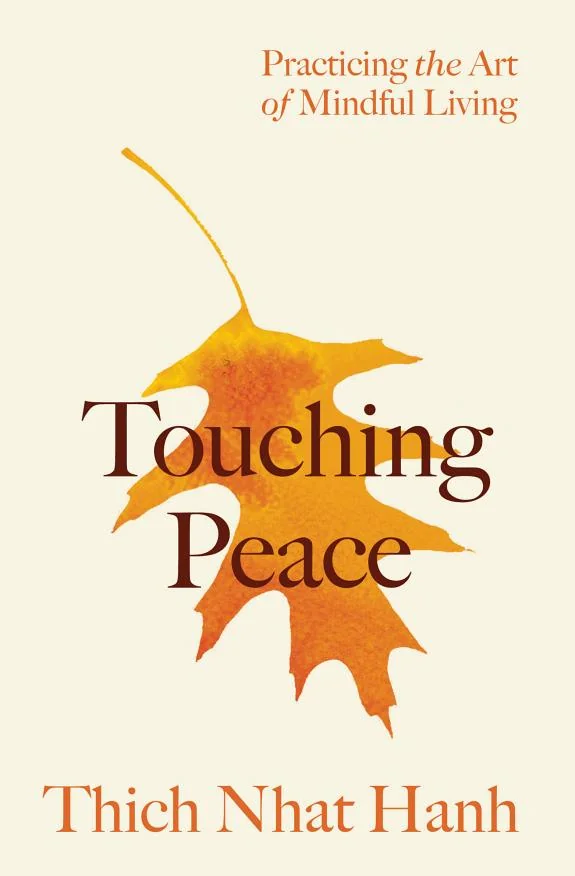
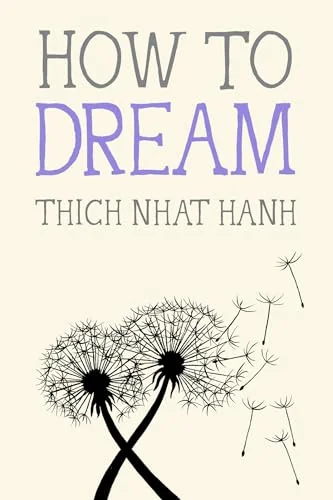
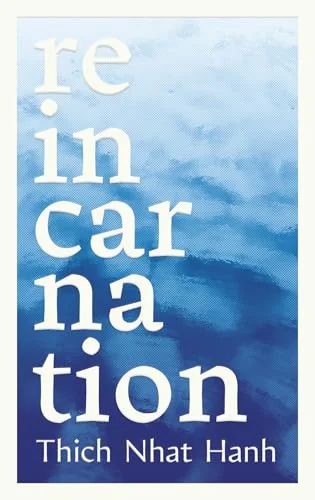
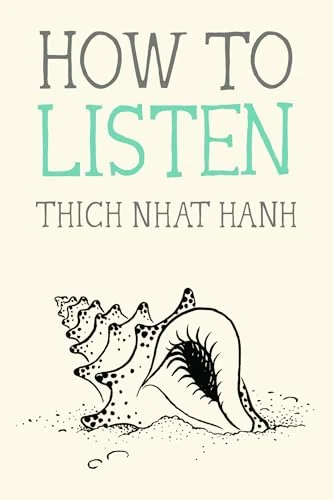
🏛 Books from this publisher Parallax Press
All books from this publisher →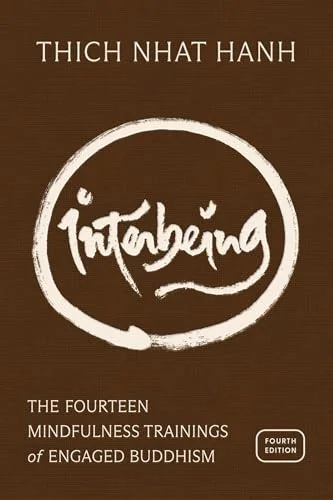
You might also like
See more →