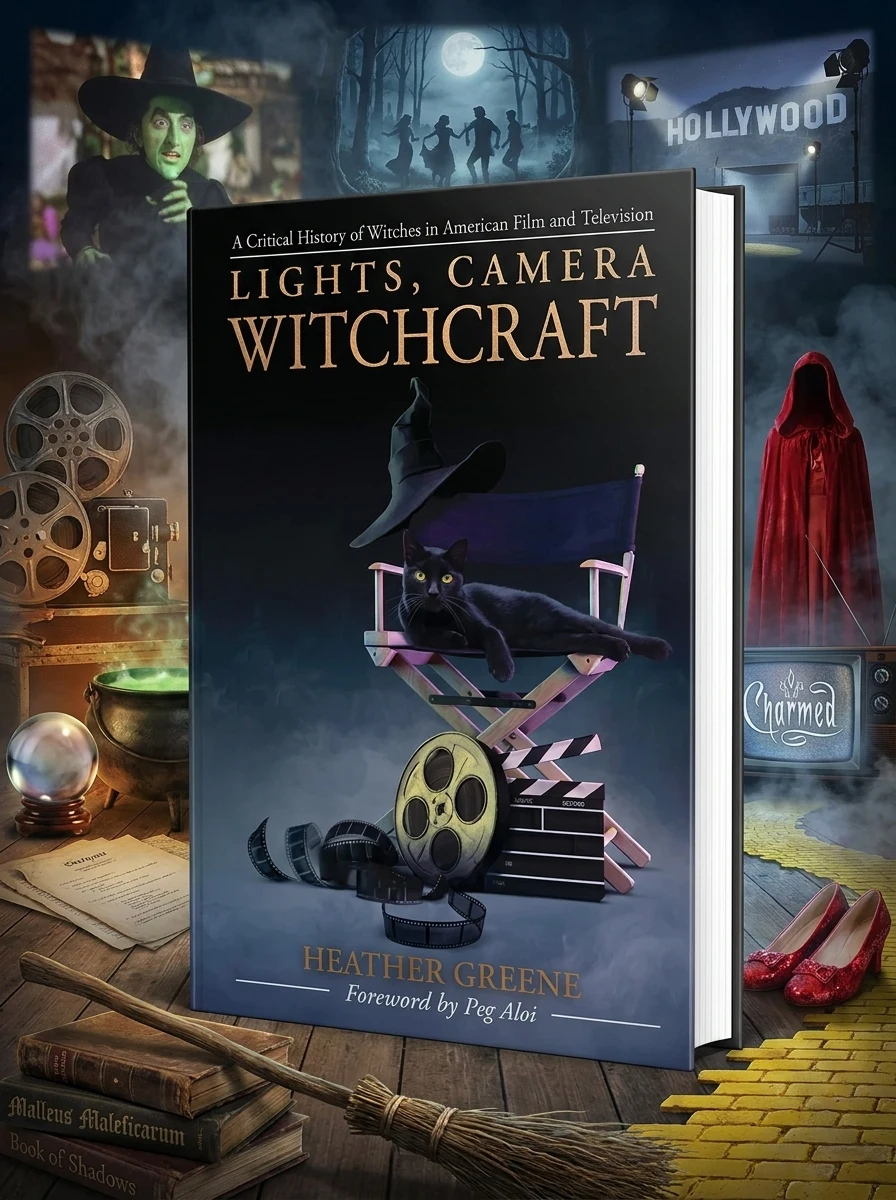
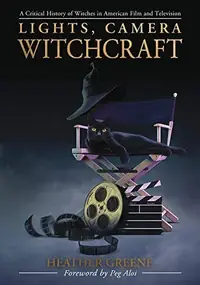
Lights, Camera, Witchcraft: A Critical History of Witches in American Film and Television
This edition can be ordered. No arrival date is confirmed.
Hollywood’s silver screen has long been the primary architect of our collective fear and fascination with the witch.
This volume traces the metamorphosis of the witch archetype across more than two hundred American cinematic and televisual works, from silent era mysteries to modern blockbusters. Heather Greene, a noted film scholar, dissects how the industry has repeatedly redefined the crone, the witch, and the goddess. The text argues that these visual narratives do not merely entertain but actively construct societal attitudes toward female power and autonomy. By analyzing genres ranging from horror to fantasy, the book reveals the deep psychological and cultural anxieties projected onto women who wield magic, offering a critical lens on the evolution of feminine agency in popular media.
This work situates itself within the critical intersection of media studies and occult history, examining how American popular culture has shaped the collective consciousness regarding witchcraft. It serves as an academic bridge between film scholarship and esoteric cultural analysis.


📝 Description: Lights, Camera, Witchcraft: A Critical History of Witches in American Film and Television
💎 Expert review
📖 Why choose it
Why this book is worth reading
This book is essential for those fascinated by the symbiotic relationship between cinema and occult imagery. Readers who enjoy analyzing how societal fears regarding female autonomy are projected onto magical figures will find deep value in this critique. It offers a unique lens for understanding the evolution of the crone archetype from silent films to modern blockbusters. Scholars, film buffs, and Wiccans alike will appreciate the rigorous dissection of how Hollywood constructs these narratives. It provides critical context for why certain witch tropes persist and how they influence our perception of power. If you seek to understand the psychological underpinnings of visual media’s treatment of magic, this text is an indispensable guide.
⭐ Reader reviews
Reader rating
Exactly what I was looking for. Some chapters demand a slow, careful read, and that's exactly the point. Some archaic spellings slow things down. Still worth having on the shelf.
Long-time student of the esoteric here. Every rereading turns up something I missed. I'd have loved an index, but that's on the original text. Solid, if not essential.
Greene delivers a compelling academic survey that successfully maps the cultural anxieties embedded in American witch cinema. The analysis is sharp, revealing how genres from horror to fantasy manipulate feminine agency for dramatic effect. However, readers seeking practical magical instruction or historical biographies of real witches will find little utility here. It is strictly a critical media study, not an esoteric manual. Those expecting lighthearted entertainment or straightforward plot summaries may feel alienated by the dense scholarly tone. It demands patience and an interest in theory rather than narrative enjoyment. The focus remains firmly on industry construction rather than magical practice.
❓ Frequently asked questions
📖 Who should read this
Readers interested in film history, feminist theory, or the cultural evolution of pagan imagery will find this essential. It is vital for those studying how media shapes spiritual perceptions and political discourse regarding women's autonomy.
🎯 Key themes and symbolism
Cinematic Archetypes
Gender and Power
Cultural History of Witchcraft
💬 Quotes from the book
“No industry has been quite so influential in shaping our vision of her as Hollywood.”
“How women negotiate their power in a patriarchal society.”
📜 Historical context
📚 Glossary
- Cinematic Archetype
- Patriarchal Projection
- Esoteric Pop Culture
📔 Questions to reflect on
- How has your personal image of the witch been influenced by the movies you grew up watching?
- In what ways do modern films challenge or reinforce the 'evil witch' stereotype compared to earlier decades?
- How does the portrayal of magical women reflect the current societal debates about female autonomy and authority?
🏛 Books from this publisher Llewellyn Publications
All books from this publisher →

 89
89
You might also like
See more →