It Happened in Salem
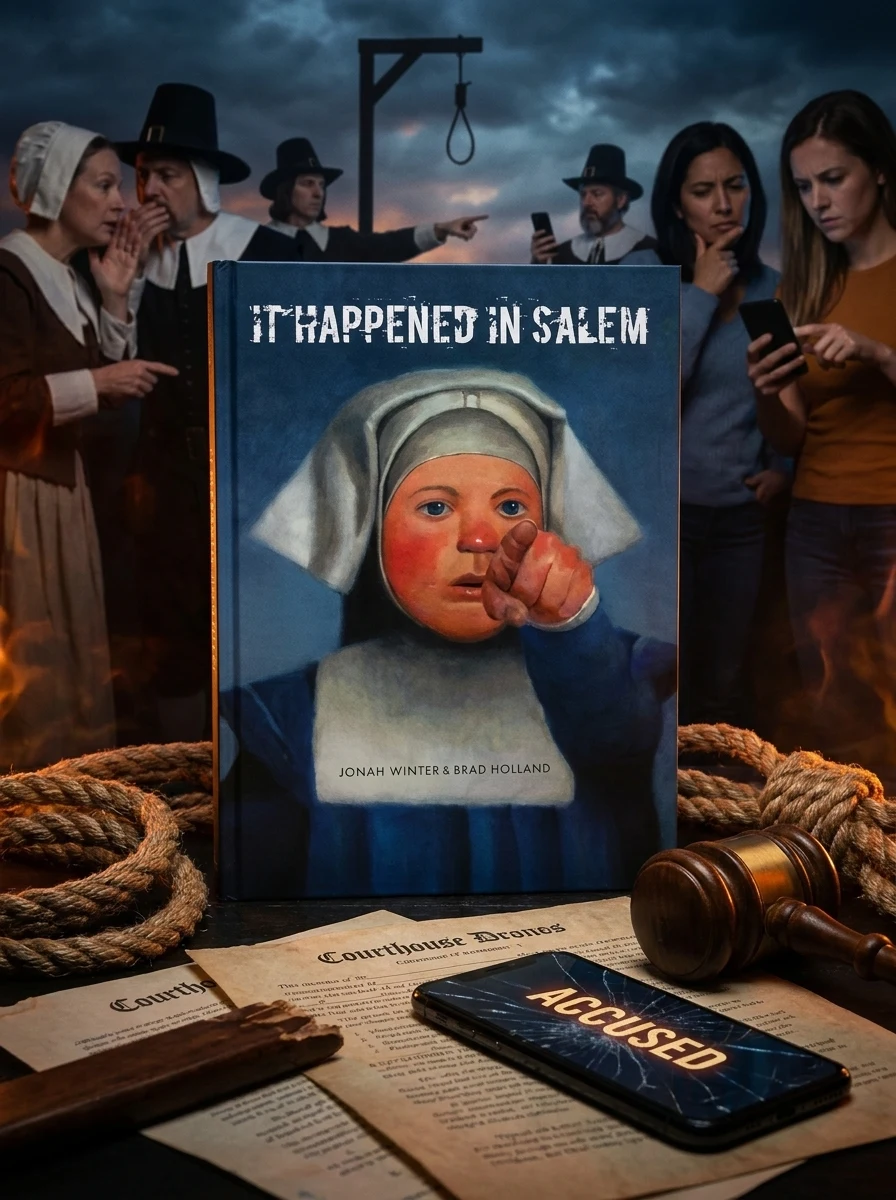
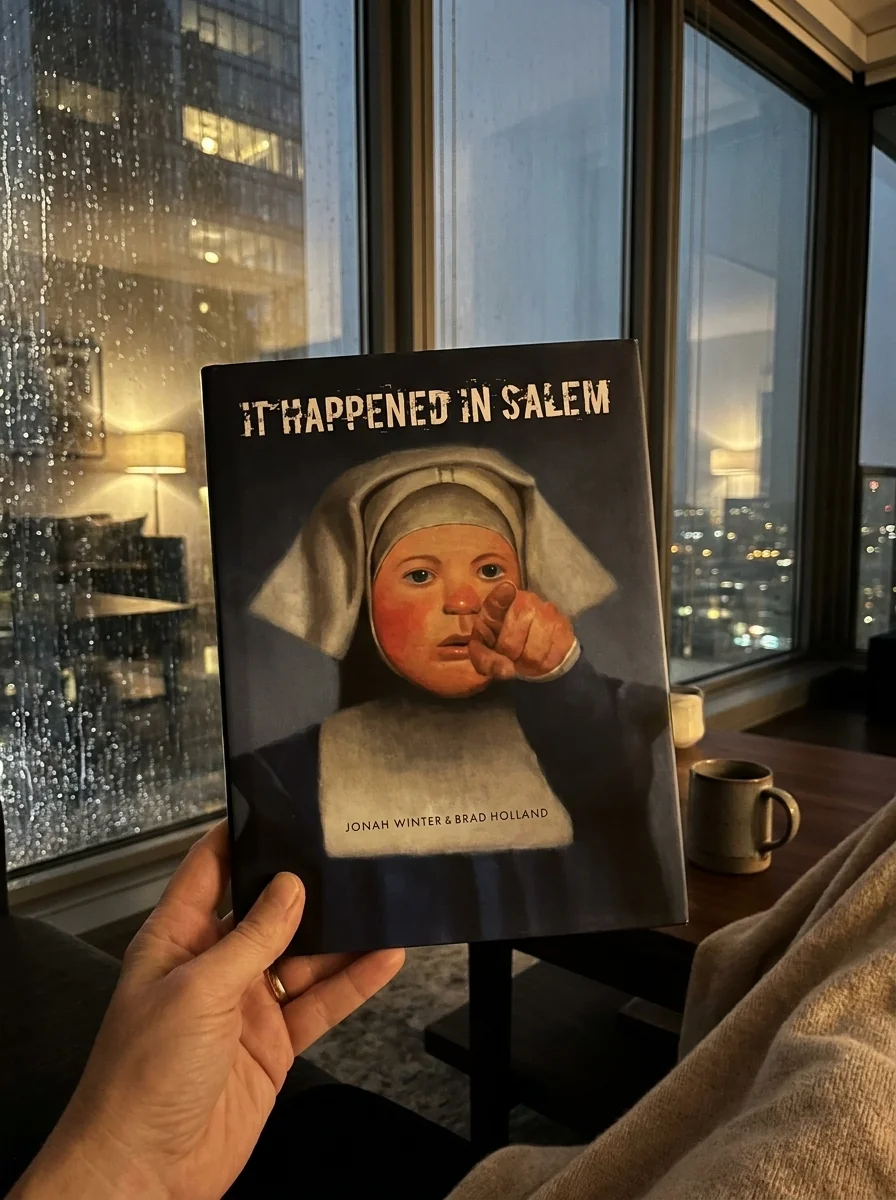
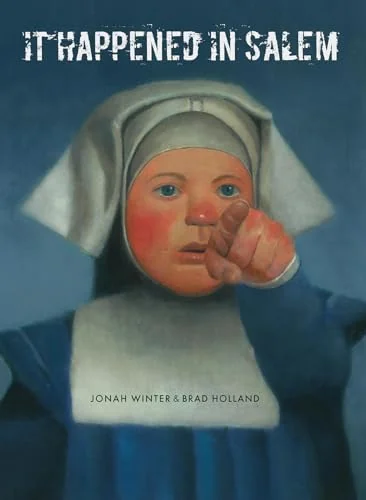
A picture book connecting the Salem witch trials to modern mob mentality and misinformation.
Focusing on the historical events of Salem, author Jonah Winter and artist Brad Holland construct a narrative about the dangers of unchecked suspicion. The text details the destructive cycle where accused individuals become accusers, pointing fingers at others solely to ensure their own survival. Built on themes of environmental awareness and social justice found throughout Winter's career, the work examines how blame functions across time. It provides young readers and educators with an explicit look at how fear distorts truth within a community.
The book places the 17th-century Salem witch trials within a broader historical context of human bias. Drawing on American history, it links past religious and social panic directly to modern community dynamics and contemporary social issues.
Praise for this book
“As an important work in combating mob mentality and misinformation, this is a good purchase for libraries to connect historical events to today's current issues.”
📝 Description: It Happened in Salem
💎 Expert review
📖 Why choose it
Why this book is worth reading
This book is essential reading for those interested in the intersection of history, psychology, and spiritual warning. It offers a profound mirror to our own times, urging readers to recognize the insidious interplay of prejudice and blame that can escalate into devastating crises. By illustrating how suspicion tightens its grip and transforms the accused into accusers, it provides a vital lesson in vigilance. Readers seeking to understand the persistent patterns of human failings will find this work compelling and necessary. It challenges us to see beyond the historical narrative to the timeless warning it presents, making it relevant for anyone concerned with societal health and moral integrity.
⭐ Reader reviews
Reader rating
This text serves as a stark mirror reflecting persistent human failings, effectively connecting the infamous Salem witch trials to present-day societal crises. While it expertly illustrates the tragic cycle of blame, it may not suit readers seeking dry, purely academic historiography or those uninterested in philosophical reflections on prejudice. The authors focus heavily on the insidious nature of suspicion and the desperate bid for survival among the accused, which might feel repetitive to some. However, for those willing to engage with its chilling echoes, it offers a powerful critique of societal dynamics. It is less a historical recounting and more a cautionary tale about recurring patterns.
❓ Frequently asked questions
📖 Who should read this
If you're drawn to understanding the dark currents of human nature, societal pressures, and how history offers vital lessons for today, this book is essential. It's for anyone who believes in the power of vigilance against injustice and the insidious spread of fear.
🎯 Key themes and symbolism
Bias and Blame's Cycle
The book meticulously unpacks how ingrained prejudices and the impulse to assign blame fueled the Salem hysteria. It demonstrates that these aren't isolated historical phenomena but recurring human tendencies that, when unchecked, can lead to catastrophic injustice and collective delusion, echoing through time in various forms.
The Accuser's Transformation
A pivotal theme explored is the disturbing dynamic where victims, under duress, are compelled to become perpetrators themselves. The narrative powerfully illustrates how the fear of accusation can force individuals to "name names," perpetuating the cycle of suspicion and condemnation as a desperate strategy for self-preservation in an irrational environment.
Timeless Vigilance Required
Beyond recounting history, this work serves as an urgent call to awareness. It posits that the conditions that allowed the Salem trials to unfold are not unique to a bygone era. The book emphasizes that preventing similar societal breakdowns hinges on our collective commitment to critical thinking, empathy, and resisting the allure of scapegoating.
📜 Historical context
📚 Glossary
- Salem Witch Trials
- Scapegoating
- Mass Hysteria
📔 Questions to reflect on
- Reflect on a time you witnessed or experienced how fear and unverified rumors could quickly escalate a situation. What was the outcome?
- The book suggests these events could happen today. What current societal divisions or anxieties do you believe could be exploited to create a similar climate of blame?
- Consider the individuals who, under duress, turned accuser. How do you think you would react if faced with a similar no-win situation, and what does that reveal about human nature?
You might also like
See more →







Have a question about this item?
Ask about the edition, condition, delivery or anything else — we reply by email or phone, usually within a day.
