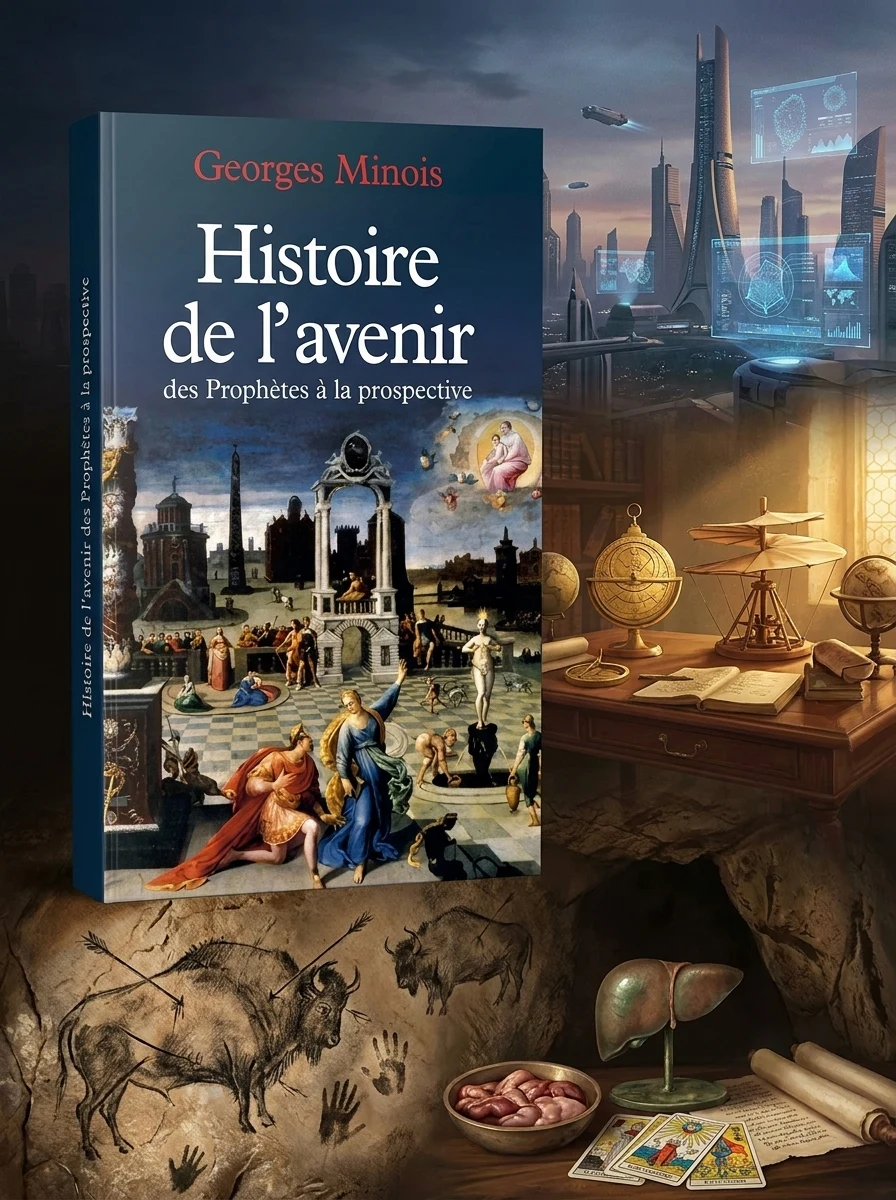
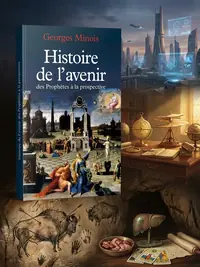
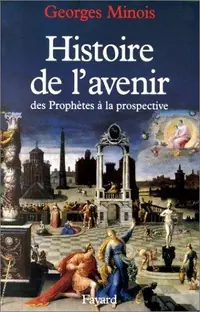
Histoire de l'avenir: Des prophètes à la prospective Minois, Georges
Stock reported in the catalog; fulfillment is confirmed with your request.
Unravel humanity's enduring quest to foresee and shape tomorrow, from ancient omens to modern forecasts.
Georges Minois embarks on a profound journey through humanity's age-old fascination with tomorrow, exploring the myriad ways we've attempted to peek behind the veil of time. From the earliest cave paintings, perhaps proto-divination, to the intricate systems of ancient seers and the grand visions of modern futurists, this book reveals an unbroken thread of anticipation. Minois delves into the evolving tools—oracles, astrology, prophecy, and scientific foresight—demonstrating that despite changing methods, the fundamental human drive to envision and influence what's to come remains a constant, often blending the rational with the deeply irrational.
This work sits at the intersection of esoteric history and intellectual anthropology, tracing the lineage of prophetic thought from ancient ritualistic practices to modern scientific forecasting. It bridges the gap between traditional occultism and contemporary prospective studies by examining humanity's persistent desire to anticipate the unknown.


📝 Description: Histoire de l'avenir: Des prophètes à la prospective Minois, Georges
💎 Expert review
📖 Why choose it
Why this book is worth reading
Readers fascinated by the psychological underpinnings of human anxiety regarding the future will find this book deeply rewarding. It offers a comprehensive overview that validates both spiritual and rational approaches to foresight, appealing to those who feel the tension between superstition and science. By exploring how we have always tried to shape tomorrow through omens or data, it provides comfort in our shared historical continuity. If you enjoy understanding why humanity clings to prediction methods despite their varying degrees of success, this text illuminates the enduring, irrational yet hopeful core of our collective consciousness.
⭐ Reader reviews
Reader rating
Minois delivers a sweeping narrative that effectively connects disparate eras of human foresight. However, readers seeking practical divination techniques or specific tarot instructions will be disappointed, as this is a historical analysis, not a manual. The text may also frustrate those who prefer definitive answers over the exploration of ambiguous historical trends. It is best suited for intellectual curiosity rather than immediate occult application. While thorough in its scope, the breadth prevents deep dives into any single methodology, making it a broad survey rather than a specialized study for advanced practitioners.
❓ Frequently asked questions
📖 Who should read this
If you're fascinated by the human mind's eternal quest to pierce the veil of time, or if you seek to understand the historical interplay between rational thought and esoteric belief in predicting destiny, this comprehensive survey offers profound insights. It's for anyone who ponders why we constantly look ahead.
🎯 Key themes and symbolism
The Evolving Art of Foresight
This work meticulously chronicles the diverse techniques humans have employed to glimpse the future across millennia. From the symbolic power of prehistoric cave art to ancient divination rituals, Renaissance astrology, and modern scientific foresight, Minois reveals a continuous, though transforming, human quest to pierce the veil of time.
Rationality and the Occult
Minois explores the perennial tension between logical attempts to predict the future and the enduring appeal of the irrational. Even as Enlightenment thinkers sought to demystify prophecy, movements like mesmerism and spiritualism surged. This demonstrates humanity's persistent embrace of esoteric avenues for understanding and shaping destiny, often against prevailing scientific thought.
Humanity's Future Dreams
This book underscores the fundamental human psychological need to envision the future, regardless of accuracy. From ancient oracles and medieval prophets to Renaissance astrologers and utopian thinkers, societies consistently construct narratives about what is to come. These "dreams of the future" serve a crucial purpose in guiding collective aspirations and anxieties, even if rarely realized.
💬 Quotes from the book
“From the primal urge to depict successful hunts on cavern walls, humanity has never ceased to project its hopes and fears onto the canvas of tomorrow.”
“Despite every philosophical effort to banish the irrational, the human spirit persistently sought solace and revelation in omens, dreams, and the whispers of unseen forces, proving the enduring power of the esoteric.”
📜 Historical context
📚 Glossary
- Divination
- Eschatology
- Prospective
📔 Questions to reflect on
- In what ways do modern societies, despite their scientific advancements, still exhibit a fundamental need for 'future dreams' or forms of prediction, rational or otherwise?
- Reflect on a personal or cultural belief about the future that, much like historical prophecies, shapes current actions even if its ultimate accuracy is uncertain.
- How might understanding the historical evolution of foresight change your perspective on contemporary debates about technology, ethics, and the unknown?
You might also like
See more →
 91
91
 91
91