US shipping Secure card payment Occult and esoteric books

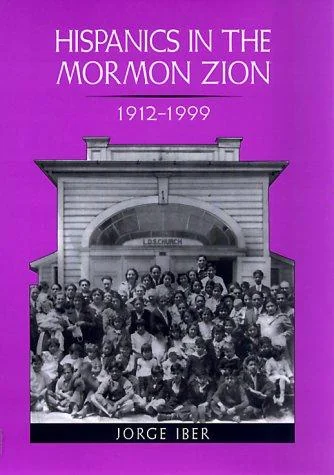
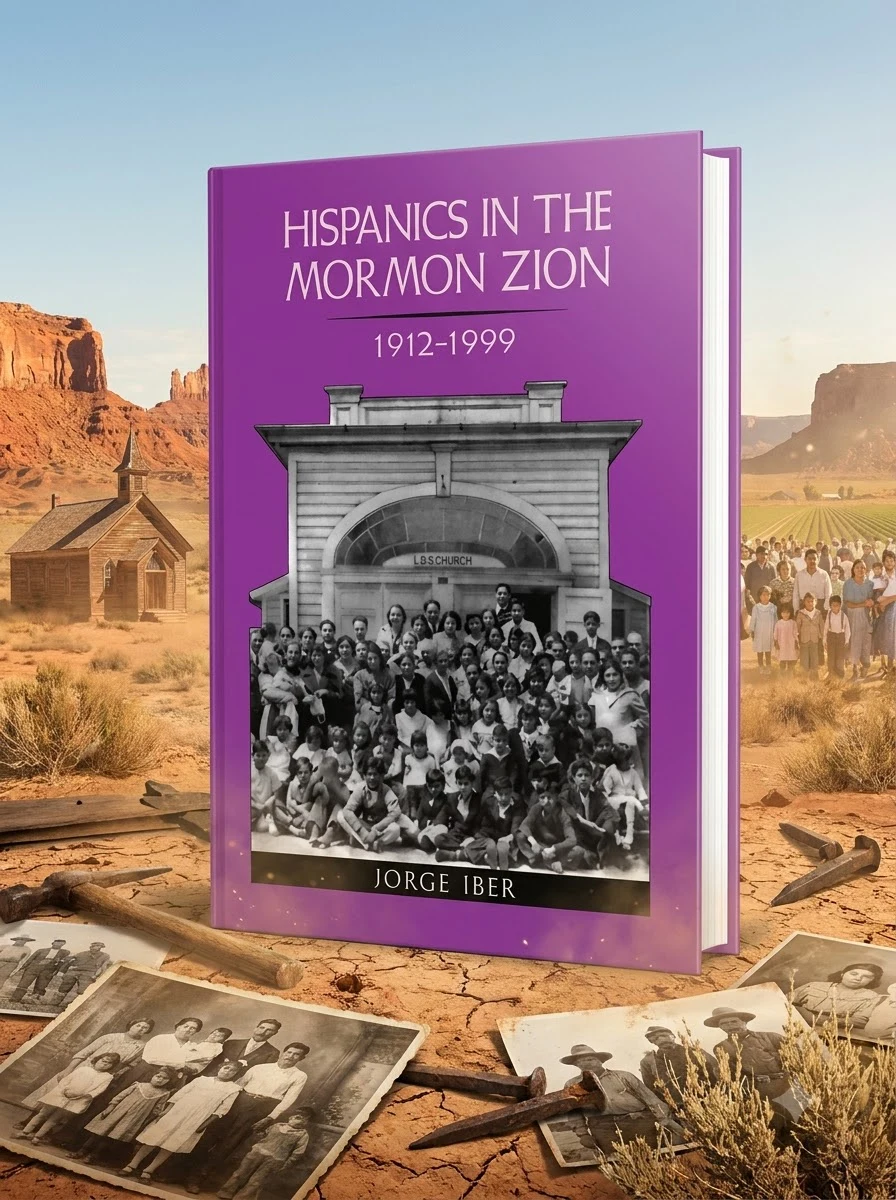
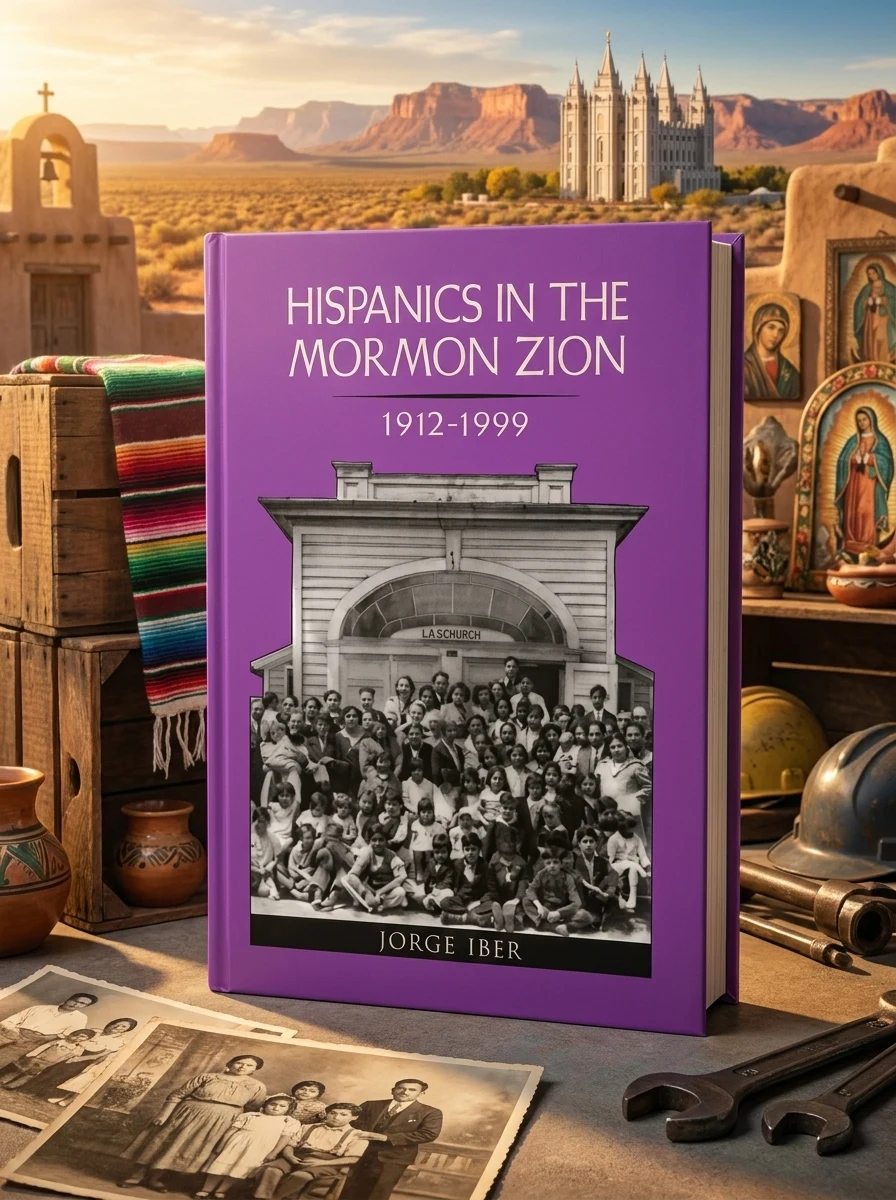
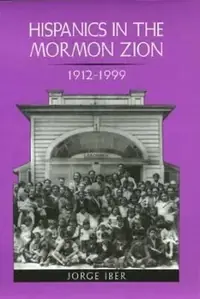
Hispanics in the Mormon Zion: 1912-1999 (Revised) Iber, Jorge

Iber, Jorge
Reader rating
4.6
(5 reviews) 173 sold
Availability to be confirmed

This edition can be ordered. No arrival date is confirmed.

📚 ABOUT THE BOOK

Discover the untold story of Hispanic Mormons reshaping Utah's spiritual and cultural landscape.

Jorge Iber reveals how the Hispanic community in Utah defies the stereotype of a monolithic 'Greater Mexico' by forging a distinct identity within the heart of the LDS Church. This work traces the journey from early 20th-century migration to the late 1990s, highlighting how Spanish-speaking converts navigate the tension between Catholic heritage and Mormon doctrine. Iber examines the sociological shifts as these individuals move from marginalization to visible presence in urban centers, challenging the notion of Utah as exclusively white and demonstrating how their faith transforms both the converts and the institution itself.

Key themes
Cultural assimilation Religious conversion Urban migration
Historical context

This work sits at the intersection of American religious history and Latino studies, challenging the traditional narrative of Utah’s cultural homogeneity. It explores the sociological dynamics of a minority group negotiating identity within a dominant institutional framework during the twentieth century.


Difficulty
●●● Demanding
Fans will love it
Richard D. Poll · Lester Bush · Ronald W. Walker · The Church of Jesus Christ of Latter-day Saints historical archives
🕯️ Occult Philosophy
🏛 Texas A&M University Press 📖 224 pages 📔 Paperback 📐 Paperback ISBN: 9781585442058
Fun fact
Iber delivers a compelling socio-historical account that successfully humanizes the statistics of Hispanic conversion to Mormonism. It excels in mapping the geographic and spiritual journeys of a marginalized group. However, readers seeking deep theological debate may find the sociological focus dry. It remains a vital text for understanding the evolving face of American religion, sitting firmly at the intersection of immigration studies and LDS history.

📝 Description: Hispanics in the Mormon Zion: 1912-1999 (Revised) Iber, Jorge

As immigrants came to the United States from Mexico, the term "Greater Mexico" was coined to specify the area of their greatest concentration. America's southwest border was soon heavily populated with Mexico's people, culture, and language. In Hispanics in the Mormon Zion, 1912-1999, however, Jorge Iber shows this Greater Mexico was even greater than presumed as he explores the Hispanic population in one of the "whitest" states in the Union--Utah. By 1997, Hispanics were a notable part of Utah's population as they could be found in all of the state's major cities working in tourist, industrial, and service occupations. Although these characteristics reflect the population trends in other states, Iber centers on those aspects that set Utah's Hispanic comunidad apart from the rest. Iber focuses on the significance of why many in the Utah Hispanic comunidad are leaving Catholicism for the Church of Jesus Christ of Latter-day Saints (LDS). He examines how conversion affects the Spanish-speaking population and how these Hispanic believers are affecting the Mormon Church. Iber also concentrates on the geographic separation of Hispanics in Utah from their Mexican, Latin American, New Mexican, and Coloradoan roots. He examines patterns of Hispanic assimilation and acculturation in a setting which is vastly different from other Western and Southwestern states. Hispanics in the Mormon Zion, 1912-1999 is an important source for scholars in ethnic studies, American studies, religion, and Western history. Drawing on both oral and written histories collected by the University of Utah and many notable organizations including the American G. I. Forum, SOCIO, Centro de la Familia, the Salt Lake Catholic Diocese, and the LDS Church, Iber has compiled an interesting and informative study of the experience of Hispanics in Utah, which represents "another fragment in the expanding mosaic that is the history of the Spanish-speaking people of the United States."

💎 Expert review

💎
Esoterica Books editorial team
Occult literature desk
This scholarly examination provides a rigorous look at Hispanic Mormon identity but may not suit casual readers seeking a narrative-driven spiritual memoir. It is best suited for academics, historians, or those specifically researching Latino religious demographics in the American West. Readers expecting a lighthearted travelogue or simple theological instruction will likely find the sociological density and historical focus dry or inaccessible. However, for those committed to understanding the structural complexities of religious marginalization and cultural assimilation, it offers an indispensable, well-documented perspective on a largely overlooked demographic.
✓ EDITOR'S REVIEW

📖 Why choose it

📖

Why this book is worth reading

Readers deeply interested in the nuanced intersection of ethnicity, religion, and American identity will find this text invaluable. It offers a crucial corrective to the stereotype of a monolithic Mormon experience by highlighting the distinct journey of Hispanic converts. Those who appreciate sociological analyses of how marginalized communities reshape dominant institutions from within will gain profound insight into the tension between Catholic heritage and LDS doctrine. This book is essential for anyone seeking to understand how faith transforms both the individual believer and the broader cultural landscape, proving that Utah’s history is far more diverse than commonly assumed.

⭐ Reader reviews

The starting rating comes from the team Esoterica Books —
⭐ Esoterica editorial review Editorial rating 4.7/5
★★★★
Scholars of American religious history and those interested in the intersection of immigration, identity, and faith. If you seek to understand the complex dynamics of Hispanic life within the LDS Church, this text offers essential, nuanced insights.

Reader rating

4.6
Based on 5 reviews
5
2
4
3
3
0
2
0
1
0
J
James B. ✓ Verified purchase
March 20, 2026

This has been on my wishlist for months. It's become a regular reference in my practice. The font runs small in the appendices. Happy enough with the purchase.

A
Ashley G. ✓ Verified purchase
July 26, 2025
My new favorite

I keep coming back to this one. The historical context alone makes it worth the price.

R
Rosa E. ✓ Verified purchase
January 13, 2025

First purchase from this shop. There's real depth here that reveals itself on a second reading. It assumes more background than a beginner might have. Still worth having on the shelf.

H
Henry D.
November 13, 2024
A serious text

Exactly what I was looking for. It rewards patience more than any book I've bought this year. Recommended if you're ready to do the work.

E
Esoterica Books editorial team

This scholarly examination provides a rigorous look at Hispanic Mormon identity but may not suit casual readers seeking a narrative-driven spiritual memoir. It is best suited for academics, historians, or those specifically researching Latino religious demographics in the American West. Readers expecting a lighthearted travelogue or simple theological instruction will likely find the sociological density and historical focus dry or inaccessible. However, for those committed to understanding the structural complexities of religious marginalization and cultural assimilation, it offers an indispensable, well-documented perspective on a largely overlooked demographic.

❓ Frequently asked questions

No, while Mexican heritage is central, it also covers broader Latin American influences and the diverse experiences of Hispanics in Utah.
It is a sociological and historical analysis, not a theological critique. It focuses on community dynamics and identity rather than doctrinal validity.

📖 Who should read this

Scholars of American religious history and those interested in the intersection of immigration, identity, and faith. If you seek to understand the complex dynamics of Hispanic life within the LDS Church, this text offers essential, nuanced insights.

🎯 Key themes and symbolism

Cultural assimilation

Religious conversion

Urban migration

💬 Quotes from the book

“The term 'Greater Mexico' was coined to specify the area of their greatest concentration, yet Iber shows this was even greater than presumed.”

“Iber centers on those aspects that set Utah's Hispanic comunidad apart from the rest.”

📜 Historical context

Situated within the broader narrative of American religious history, this work bridges the gap between traditional Catholic Latino studies and Mormon historiography. It challenges the mid-20th-century assumption that religious conversion meant total cultural erasure, offering a counter-narrative to the dominant white Protestant view of Utah's social fabric during the 20th century.

📚 Glossary

Greater Mexico
LDS Church
Comunidad

📔 Questions to reflect on

  1. How does religious conversion reshape cultural identity rather than erase it?
  2. In what ways do urban environments facilitate or hinder the formation of distinct ethnic communities?
  3. How might the demographic shift in Utah challenge traditional narratives of American religious history?

You might also like

See more →
Cover unavailablePyramid PowerToth, Max; , Nielsen, Greg Pyramid Power
Toth, Max; , Nielsen, Greg
Pyramid Power
$15.00
91