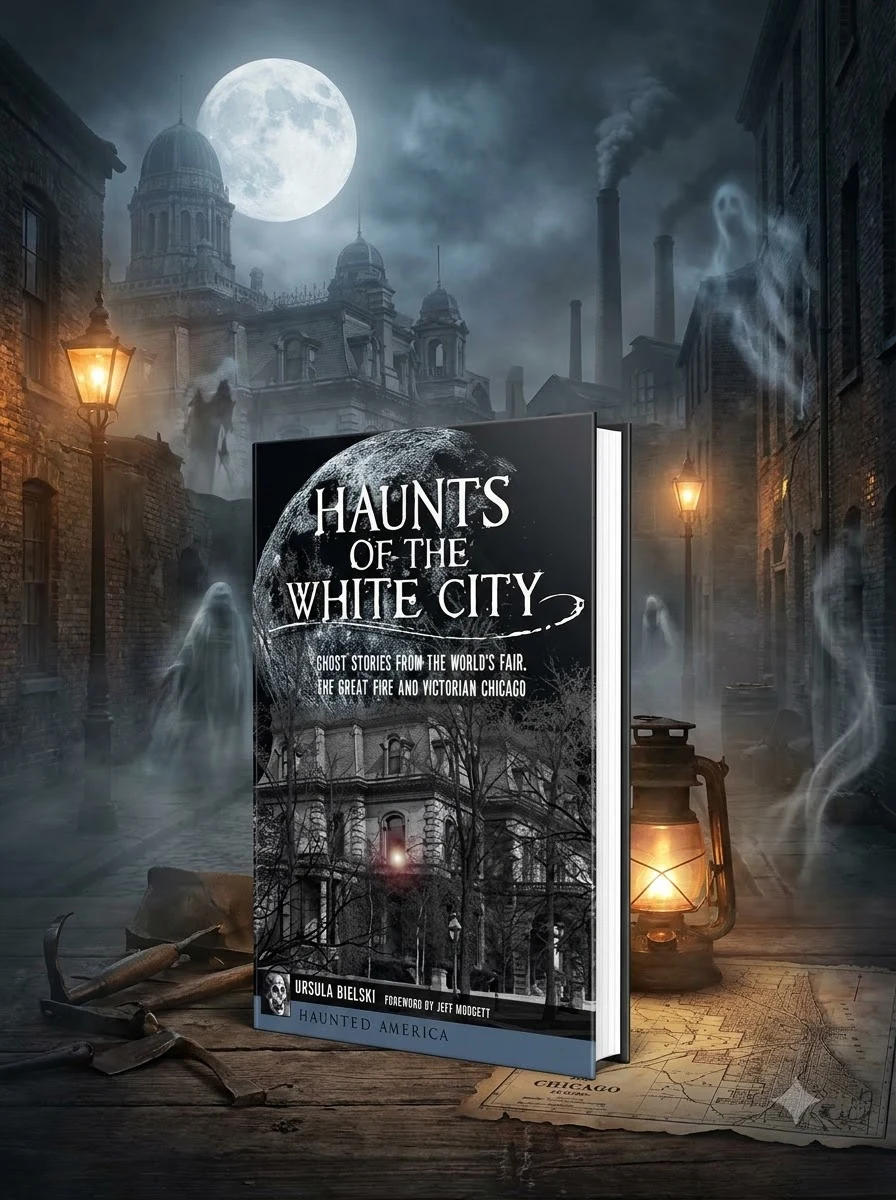
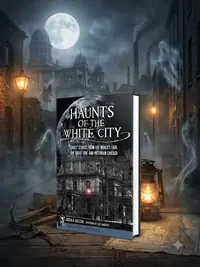
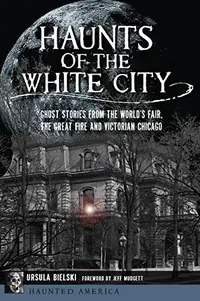
Haunts of the White City: Ghost Stories from the World's Fair, the Great Fire and Victorian Chicago Bielski, Ursula
Bielski, UrsulaThis edition can be ordered. No arrival date is confirmed.
Beneath Chicago's gilded age, spectral secrets whispered from the shadows of progress.
Step into a meticulously researched exploration of Victorian Chicago's hidden, spectral side. Ursula Bielski masterfully unearths ghost stories and unsettling lore that flourished amidst the city's rapid growth, from the ashes of the Great Fire to the dazzling spectacle of the World's Fair. Discover tales of unexplained phenomena, tragic accidents, and malevolent entities that haunted the very foundations of the White City, revealing the dark undercurrents beneath its electric glow and the lasting echoes of its tumultuous past.
This work sits firmly within the tradition of Victorian spiritualism and local urban folklore, exploring the intersection of rapid industrial progress and supernatural belief in late 19th-century America. It examines how the spectacle of the World's Fair and the trauma of the Great Fire fueled a cultural fascination with the unseen world.


📝 Description: Haunts of the White City: Ghost Stories from the World's Fair, the Great Fire and Victorian Chicago Bielski, Ursula
💎 Expert review
📖 Why choose it
Why this book is worth reading
Readers fascinated by the atmospheric tension between technological optimism and spiritualist belief will find this book deeply rewarding. Ursula Bielski offers a unique lens through which to view Chicago’s transformative era, revealing how the city's dramatic history—from devastating fire to dazzling exposition—created fertile ground for ghost stories. Those who enjoy meticulous research blended with eerie narrative will appreciate the uncovering of hidden lore that flourished amidst rapid urban growth. This is not just a collection of tales but an exploration of the psychological undercurrents that haunted the foundations of the White City, making it essential for anyone interested in the dark side of the Gilded Age.
⭐ Reader reviews
Reader rating
Bielski provides a compelling, well-researched look at the spectral history of Chicago, effectively capturing the eerie atmosphere of the late Victorian period. The narrative successfully bridges historical fact with supernatural legend, offering fresh insights into how major events like the Great Fire influenced local folklore. However, readers seeking traditional horror fiction or complex literary analysis may find the approach too straightforward or purely historical. It is best suited for those interested in urban legends and regional history rather than pure supernatural thrillers. While engaging, it lacks the narrative drive of fictional works, serving instead as a fascinating catalog of unsettling lore rather than a gripping story.
❓ Frequently asked questions
📖 Who should read this
If you're drawn to the intersection of history and the supernatural, or fascinated by the darker corners of America's past, this book is for you. Readers who enjoy local folklore, urban legends, and a deep dive into Chicago's Victorian era will find its pages compelling.
🎯 Key themes and symbolism
Victorian Spectral Lore
This book delves into the specific brand of ghost stories and supernatural beliefs prevalent in late 19th-century Chicago. It explores how urban legends and personal encounters with the inexplicable were shaped by the era's rapid industrialization, social stratification, and the unique historical events like the Great Fire and the World's Fair, offering a window into the period's collective psyche.
Progress and Peril
Bielski brilliantly contrasts Chicago's image as a beacon of human achievement—epitomized by the White City—with its stark underbelly of suffering and horror. The narrative highlights how moments of grand innovation and public celebration often coincided with tragic accidents, rampant crime, and the lurking presence of figures like H.H. Holmes, creating fertile ground for supernatural tales to take root.
Haunted Urban Landscape
The book examines how specific historical locations and events imbued Chicago's landscape with enduring spectral energies. From the sites of catastrophic fires to the opulent mansions built on questionable grounds, and even the natural features like drowned quarries, Bielski reveals how the city itself became a canvas for hauntings, each story intrinsically linked to a physical place.
💬 Quotes from the book
“The gas lamps flickered, casting long, dancing shadows, as if the very air of Lake Michigan held forgotten whispers of those lost to the flames.”
“One could not walk the gleaming avenues of the White City without sensing a chill, a spectral echo of the darkness that festered beneath its polished facade.”
📜 Historical context
📚 Glossary
- White City
- H.H. Holmes
- Great Fire
📔 Questions to reflect on
- Consider how rapid urban development and significant historical tragedies might create a fertile ground for ghost stories in any city. How does progress intersect with folklore?
- If you were to explore the hidden, spectral side of your own city or hometown, what historical events or locations do you think would yield the most compelling supernatural tales?
- The book contrasts the 'breathtaking possibilities' with 'jaw-dropping horrors.' Reflect on how this duality shapes our understanding of human nature and the places we inhabit.
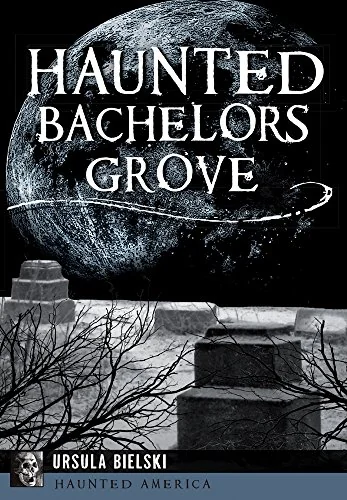
📖 From the series “Haunted America”
All books in the series →
 80
80
✍️ More books by this author Bielski, Ursula
All books by this author →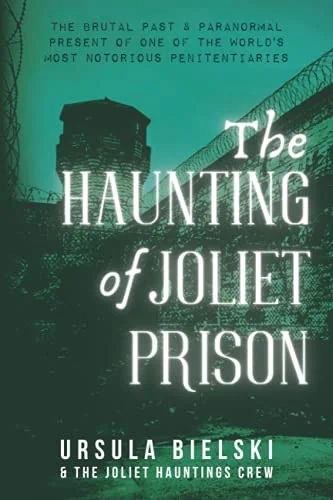
🏛 Books from this publisher History Press
All books from this publisher →
 87
87
You might also like
See more → 91
91
 91
91
 91
91