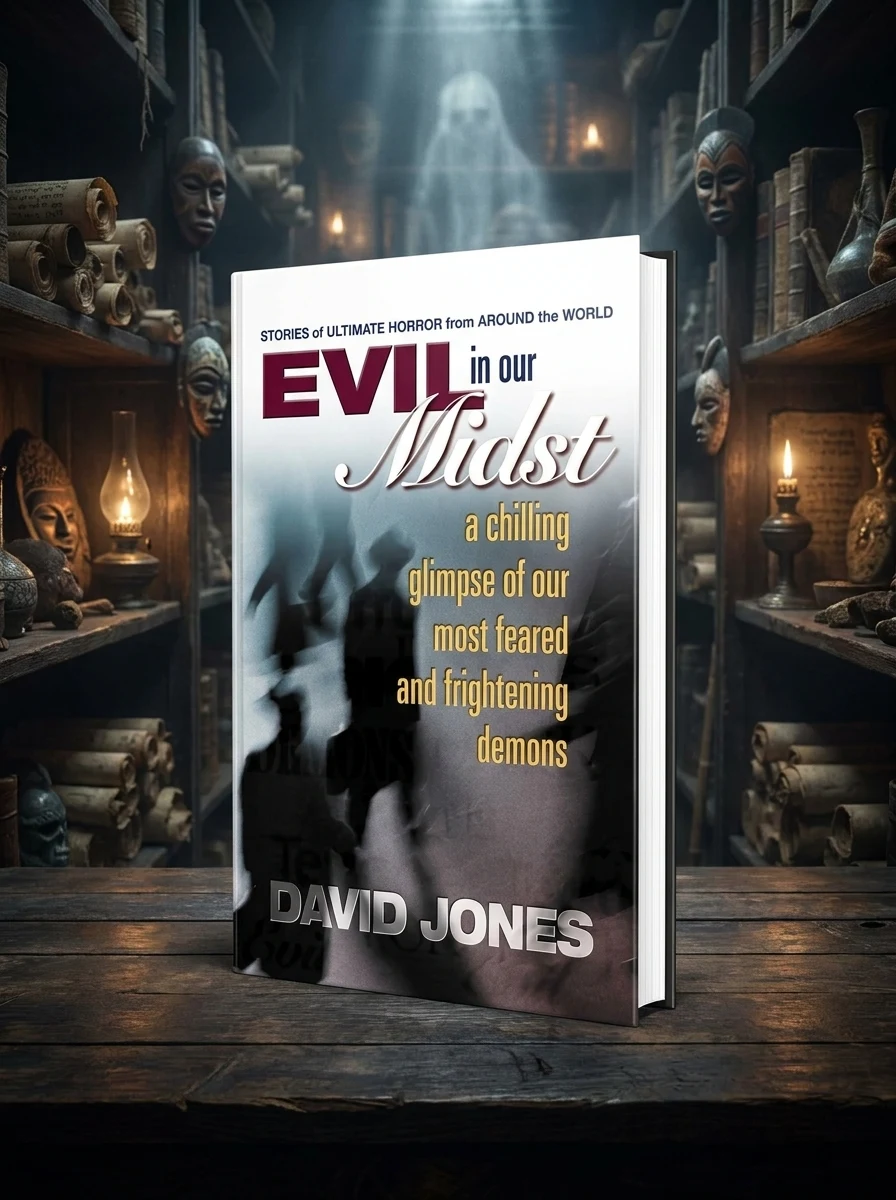
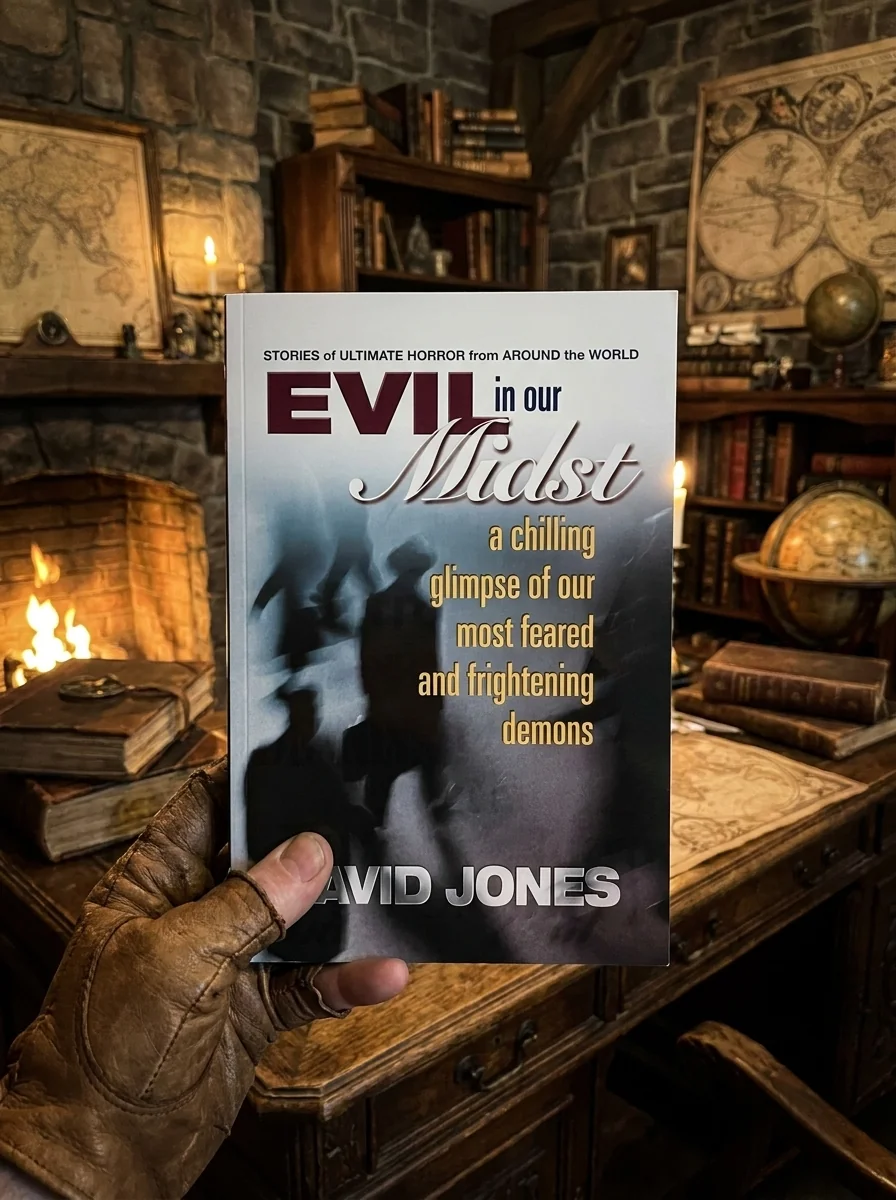
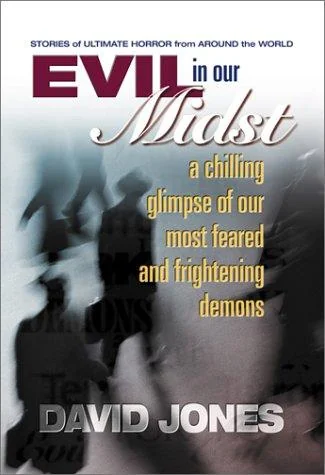
Evil in Our Midst: A Chilling Glimpse of the World's Most Feared and Frightening Demons
An anthropological study of fifty demonic figures across global folklore traditions.
Jones organizes the content by geographic and ethnic groups, allowing for a comparative study of fear. The book does not argue for the existence of these beings but records how they function within their respective societies. Each entry provides a narrative foundation followed by cultural analysis. This approach highlights the diversity of human anxiety across different historical periods and regions. The work stands as a reference for understanding the intersection of religion, social science, and mythology in various communities.
Published in 2001 by Square One Publishers, this paperback sits within the fields of social science, folklore, mythology, cults, and occultism. It reflects early twenty-first-century anthropological interest in native American and global indigenous traditions.


📝 Description: Evil in Our Midst: A Chilling Glimpse of the World's Most Feared and Frightening Demons
📑 What's inside
- Acknowledgments
- Pronunciation of Demon Names
- Introduction
- Demons of North America
- Kalona
- Cherokee of North Carolina Tennessee and Oklahoma
- Tsi Sgili
- Cherokee of North Carolina Tennessee and Oklahoma
- Budu
- Comanche of Oklahoma
- Ga-git
- Haida of the Queen Charlotte Islands
- La Malogra
- Hispanic New Mexico
- Kikituk
- Inuit of Alaska
- Wi-lu-gho-yuk
- Inuit of Alaska
- La Llorona
- Mexico
- Mai Tso
- Navaho of New Mexico and Arizona
- Windigo
- Ojibwa of Canada
- Unkcegila
- Oglala of South Dakota
- Win
- Quiche of Mexico
- Nia'gwai'he'gowa
- Seneca of New York
- Water Babies
- Washo of Lake Tahoe
- Demons of South America
- Kharisiri
- Andean Highlands
- Kupe-dyeb
- Apinaye of Brazil
- Wamu
- Baniwa of Brazil
- Maereboe
- Bororo of Brazil
- Yacuruna
- Iquitos of the Peruvian Amazon
- Kwifi Oto
- Kalapalo of Central Brazil
- Winti
- Suriname
- Kenaimas
- Macusi of British Guiana
- Karaisaba
- Warao of Venezuela and British Guiana
- Hekura
- Yanomamo of Venezuela and Brazil
- Chochoi
- Yuqui of Central Bolivia
- Demons of the West Indies
- Ghede
- Haiti
- Ligahoo
- Republic of Trinidad and Tobago
Showing the first 60 entries.
💎 Expert review
📖 Why choose it
Why this book is worth reading
Readers fascinated by the intersection of human psychology and supernatural belief will find this book deeply rewarding. It offers more than just a list of scary monsters; it provides a profound look at how different cultures define evil to reflect their own moral frameworks. If you enjoy understanding the societal anxieties that give rise to specific demonic figures, this guide illuminates those connections beautifully. It is perfect for those who want to explore global folklore without needing prior academic expertise, offering accessible narratives that demystify terrifying entities from around the world while honoring their cultural origins.
⭐ Reader reviews
Reader rating
While engaging for casual enthusiasts of the occult, this book may disappoint scholars seeking rigorous primary source analysis or readers expecting practical grimoire instructions. The focus remains squarely on narrative and cultural context rather than operational magic or historical critique. Consequently, it is not suited for those looking for actionable spellwork or those who prefer dry, purely academic historiography over accessible storytelling. However, as a curated introduction to fifty distinct demonic archetypes, it succeeds in its goal of unmasking primal fears through captivating, albeit broad, summaries of global mythologies.
❓ Frequently asked questions
📖 Who should read this
For those fascinated by the darker side of mythology, the psychology of fear, or the cultural expressions of evil, this compendium offers profound insights. If you seek to understand how diverse societies define their deepest dreads through supernatural entities, this is an essential read.
🎯 Key themes and symbolism
Cultural Fear Embodiment
This book brilliantly illustrates how specific demonic figures materialize the collective anxieties and moral boundaries of their originating societies, offering a stark mirror to human phobias and societal taboos across diverse historical periods. It reveals how the monstrous reflects the human condition.
Mythology & Belief Systems
Explore the intricate tapestry of legends, rituals, and spiritual frameworks that give rise to these entities. The text showcases how different cultures interpret and categorize the forces of malevolence within their unique cosmologies, from ancient pantheons to modern folklore, highlighting spiritual diversity.
Occult Interpretations of Evil
Beyond mere folklore, this work examines how these 'dark angels' are understood within various esoteric traditions and occult perspectives. It moves past simple storytelling to consider their symbolic power and perceived influence in the unseen realms, offering a nuanced view of their significance.
📜 Historical context
📚 Glossary
- Demonology
- Folklore
- Occultism
📔 Questions to reflect on
- Which demon discussed in the book resonates most deeply with a contemporary societal fear you observe today, and why do you think this connection exists?
- How do the cultural specificities of these demonic entities challenge or reinforce your personal understanding of evil and its origins?
- Consider a prevalent fear or taboo within your own cultural background. How might it manifest as a 'dark angel' or malevolent entity if personified?
📖 Read on the blog
🏛 Books from this publisher Square One Publishers
All books from this publisher →



You might also like
See more →
Have a question about this item?
Ask about the edition, condition, delivery or anything else — we reply by email or phone, usually within a day.
