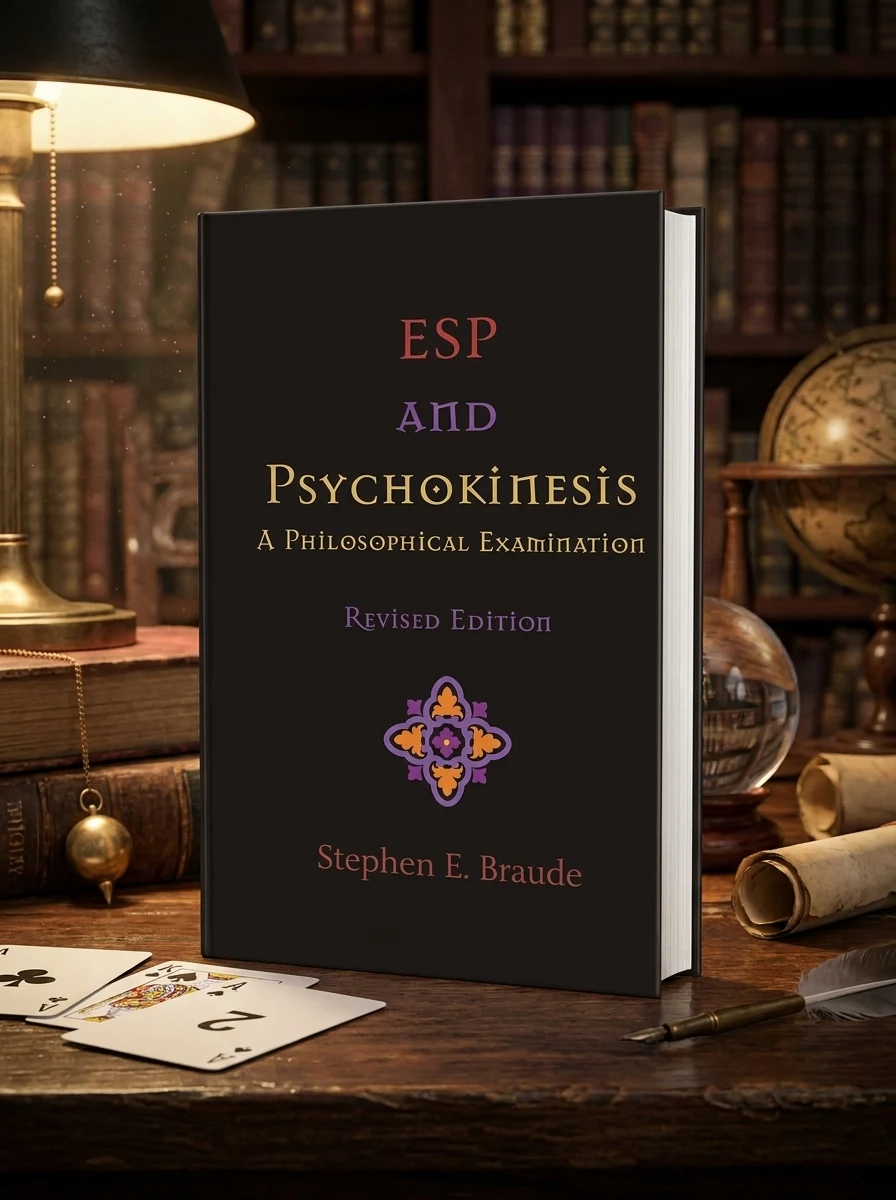
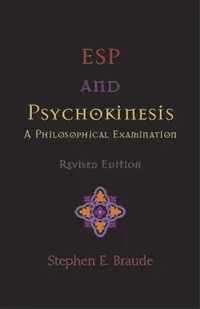
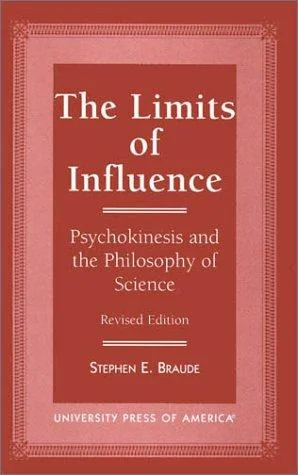
ESP and Psychokinesis: A Philosophical Examination (Revised)
Braude, Stephen EStock reported in the catalog; fulfillment is confirmed with your request.
Unravel the mind's hidden powers and the fabric of reality with this groundbreaking philosophical inquiry.
Delve into the intricate world of extrasensory perception and psychokinesis with this seminal philosophical exploration. Braude meticulously defines various psychic phenomena, including clairvoyance, precognition, and telepathy. He then navigates a wealth of empirical data, presenting compelling evidence for these abilities while rigorously addressing skeptical objections. This work offers a robust framework for understanding how such powers might integrate with our scientific worldview, challenging the very boundaries of consciousness and causality. It's an essential read for anyone grappling with the profound implications of the non-physical aspects of existence.
This work sits firmly within the tradition of philosophical inquiry into occult phenomena, bridging the gap between esoteric interests and rigorous academic discourse. It reflects a period where scholars sought to legitimize psychic studies through empirical evidence and logical framework rather than mere anecdote.


📝 Description: ESP and Psychokinesis: A Philosophical Examination (Revised)
💎 Expert review
📖 Why choose it
Why this book is worth reading
This book is an essential resource for serious thinkers who refuse to accept the limitations of conventional materialism without thorough examination. It offers a robust framework for understanding how psychic abilities might integrate with our scientific worldview, making it ideal for those grappling with the profound implications of non-physical existence. Readers seeking to unravel the mind's hidden powers and challenge the boundaries of causality will find Braude’s meticulous definitions and compelling evidence deeply rewarding. It serves as a crucial guide for anyone willing to navigate skeptical objections while exploring the intricate fabric of reality through a philosophical lens.
⭐ Reader reviews
Reader rating
Braude delivers a seminal exploration that rigorously addresses skeptical objections while presenting compelling evidence for extrasensory perception. However, this text is not suited for casual readers seeking quick paranormal thrills or those entirely closed to metaphysical inquiry. The dense philosophical examination may alienate those preferring narrative-driven accounts of psychic phenomena. It demands patience and intellectual engagement, offering no easy answers but rather a challenging re-evaluation of consciousness. While indispensable for its field, it remains inaccessible to those unwilling to engage with complex empirical data and abstract theoretical frameworks regarding the non-physical aspects of existence.
❓ Frequently asked questions
📖 Who should read this
If you're a serious student of the philosophy of mind, a skeptic intrigued by the inexplicable, or an open-minded scientist seeking rigorous inquiry into psychic phenomena, this book is for you. Prepare to have your understanding of consciousness and reality profoundly expanded.
🎯 Key themes and symbolism
Philosophical Foundations of Psi
This work critically examines the philosophical implications of psychic abilities, exploring how they challenge conventional scientific and materialistic paradigms. Braude delves into questions of causality, consciousness, and the nature of reality, pushing readers to reconsider the boundaries of the possible. It's a profound inquiry into the mind's place in the universe.
Empirical Evidence for Psi
Far from mere speculation, Braude thoroughly reviews and analyzes compelling empirical data supporting the existence of ESP and psychokinesis. He scrutinizes the methodological rigor of various studies, highlighting the most persuasive findings while also critically evaluating common skeptical arguments. This balanced approach anchors the philosophical discussion in verifiable observations.
💬 Quotes from the book
“To dismiss phenomena merely because they defy current mechanistic models is to amputate the very limb of scientific inquiry that seeks true understanding.”
“The truly profound questions surrounding psi are not whether it exists, but what its existence implies about the fundamental architecture of consciousness and reality itself.”
📜 Historical context
📚 Glossary
- ESP
- Psychokinesis
- Precognition
📔 Questions to reflect on
- How might the confirmed existence of telepathy or precognition fundamentally alter our understanding of personal identity and free will?
- Considering Braude's arguments, what constitutes 'compelling evidence' for phenomena that challenge established scientific paradigms?
- If consciousness is not entirely brain-bound, what new ethical and existential questions arise regarding death, survival, and interconnectedness?
✍️ More books by this author Braude, Stephen E
All books by this author →
You might also like
See more →





 91
91

 91
91