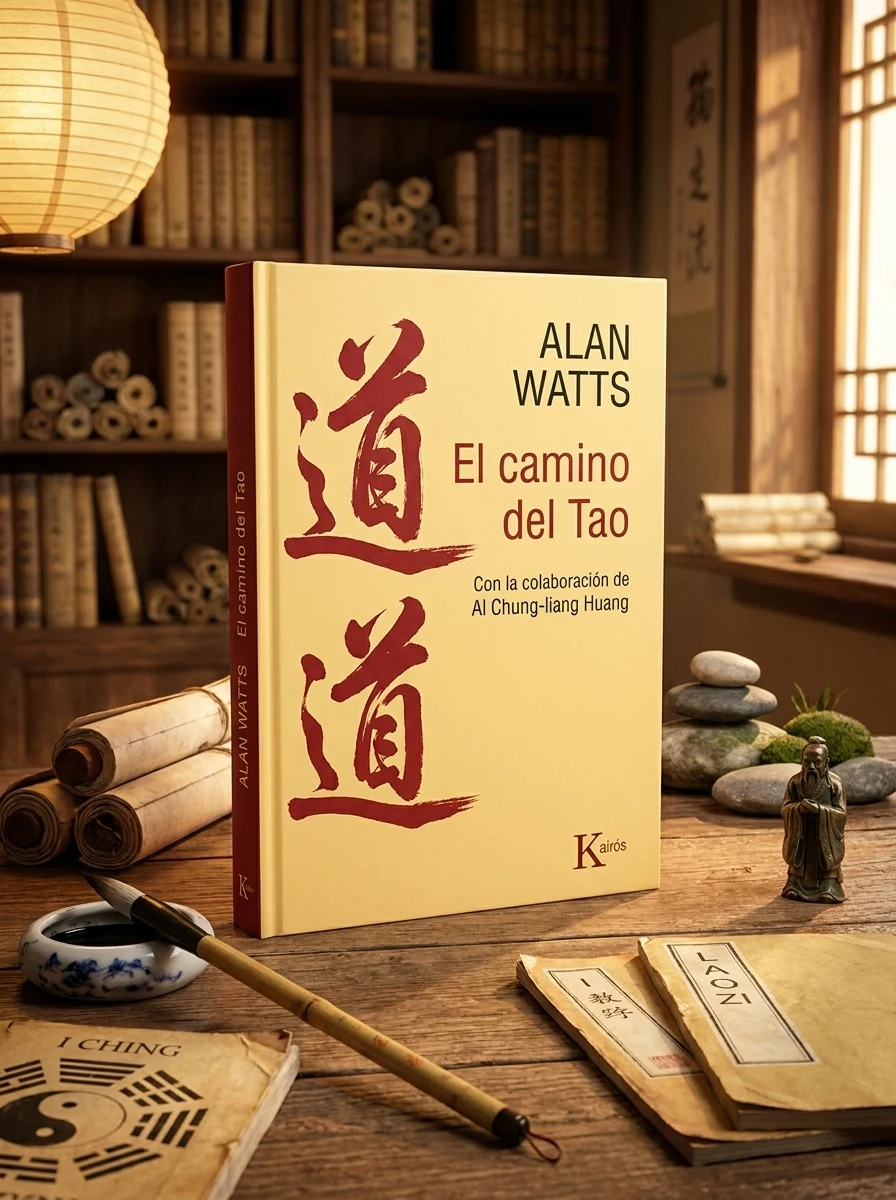
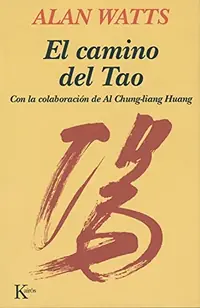
El Camino del Tao Watts, Alan
Watts, AlanThis edition can be ordered. No arrival date is confirmed.
Uncover the ancient wisdom of Tao with Alan Watts, guiding you toward effortless living.
Alan Watts, a celebrated interpreter of Eastern thought, guides readers through the profound philosophy of Taoism in this insightful volume. He begins by exploring the nuances of the Chinese language, setting the stage for a deep dive into Taoist origins and its core principles. Watts illuminates concepts like wu wei, emphasizing natural, effortless action, and Te, the inherent power that arises from such a state. Drawing from both foundational texts and contemporary scholarship, this work offers a comprehensive and accessible introduction, echoing the clarity of his earlier explorations into Zen Buddhism.
This volume situates itself within the rich tradition of Eastern philosophy, specifically Taoism, as interpreted through the lens of Western esoteric thought. It bridges ancient Chinese metaphysical origins with contemporary scholarly understanding for a modern audience.


📝 Description: El Camino del Tao Watts, Alan
💎 Expert review
📖 Why choose it
Why this book is worth reading
Readers seeking a gentle yet profound introduction to Taoist principles will find this book invaluable. Alan Watts, known for making Eastern wisdom accessible, guides you through the nuances of wu wei and Te without overwhelming complexity. If you desire effortless living and wish to understand the core tenets of Taoism through clear, insightful prose, this volume offers a comprehensive entry point. It is ideal for those who appreciate philosophical clarity and want to explore foundational texts alongside contemporary scholarship in an engaging manner.
⭐ Reader reviews
Reader rating
Watts delivers a clear and accessible exploration of Taoism, effectively demystifying complex concepts like wu wei for the general reader. However, this work may not suit scholars seeking rigorous academic critique or advanced metaphysical debates, as it prioritizes introductory accessibility over dense theoretical analysis. It is best for those new to Eastern thought who prefer Watts' distinctive, conversational style over dry academic rigor. Readers looking for deep textual criticism might find it too light, but for a foundational understanding of Taoist origins and principles, it remains a solid, engaging resource.
❓ Frequently asked questions
📖 Who should read this
If you're seeking a clear, engaging introduction to Taoist thought, or have previously enjoyed Alan Watts's accessible interpretations of Eastern wisdom, this book is for you. It offers profound insights into living harmoniously and understanding the universe's natural rhythms.
🎯 Key themes and symbolism
The Art of Wu Wei
This book profoundly explores wu wei, the principle of effortless action. Watts clarifies that it's not about inaction, but rather aligning oneself with the natural flow of life, acting spontaneously without forced effort or resistance. He illustrates how this leads to greater harmony and effectiveness.
Unlocking Te's Power
Watts delves into the concept of Te, often translated as virtue or inherent power. He explains how Te isn't something to be acquired, but rather the natural efficacy and influence that emerges when one truly embodies wu wei and lives in accordance with the Tao, manifesting as authentic presence.
💬 Quotes from the book
“The truly effective action is not a struggle against the current, but a dance with its flow, wherein effort becomes indistinguishable from ease.”
“To grasp the Tao is not to define it, but to live it, much like one breathes air without needing to analyze its chemical composition.”
📜 Historical context
📚 Glossary
- Tao
- Wu Wei
- Te
📔 Questions to reflect on
- How might embracing the principle of wu wei transform a current challenge or goal in your life?
- Reflect on a time when you experienced "effortless action." What conditions allowed this to occur, and how did it feel?
- In what ways do you perceive the "natural flow" or "Tao" in your daily existence, and how can you better align with it?
✍️ More books by this author Watts, Alan
All books by this author →
 75
75

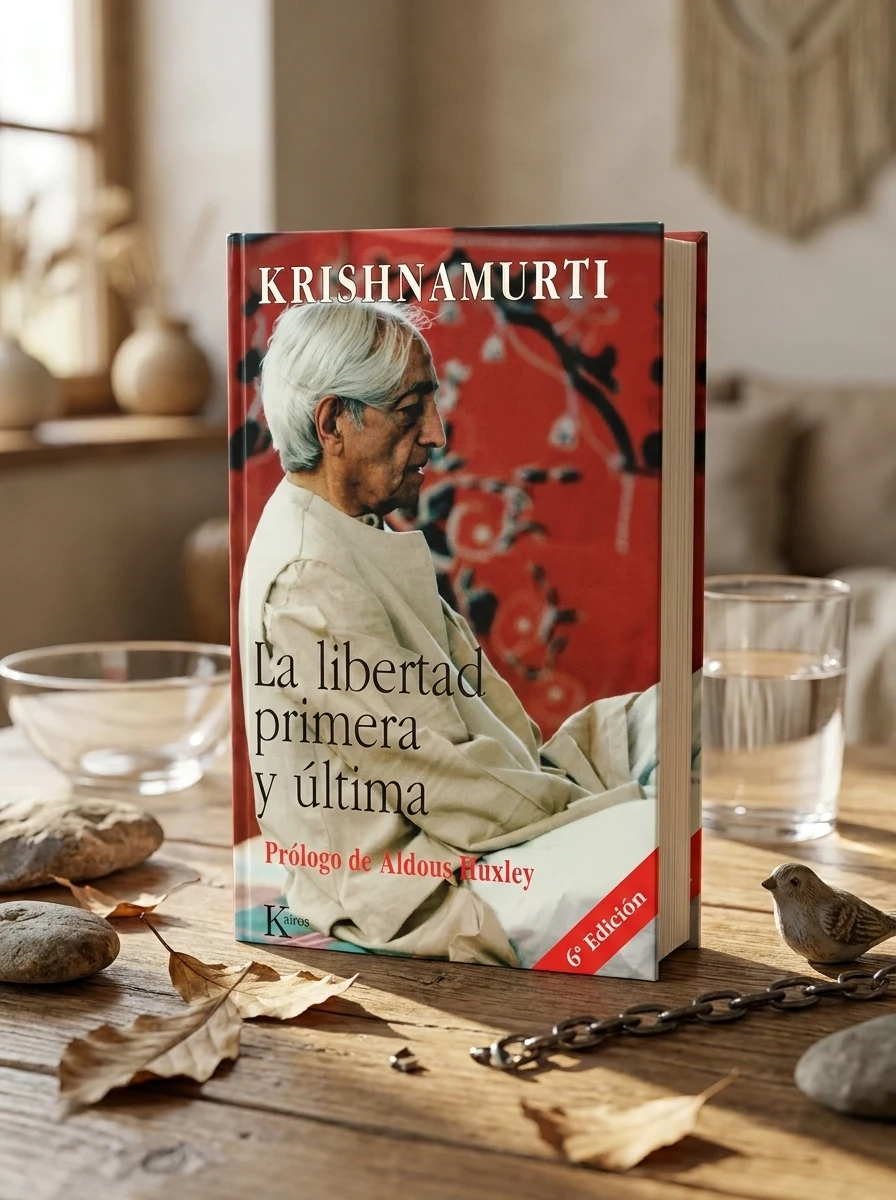
🏛 Books from this publisher Editorial Kairos
All books from this publisher → 81
81

You might also like
See more →

 81
81