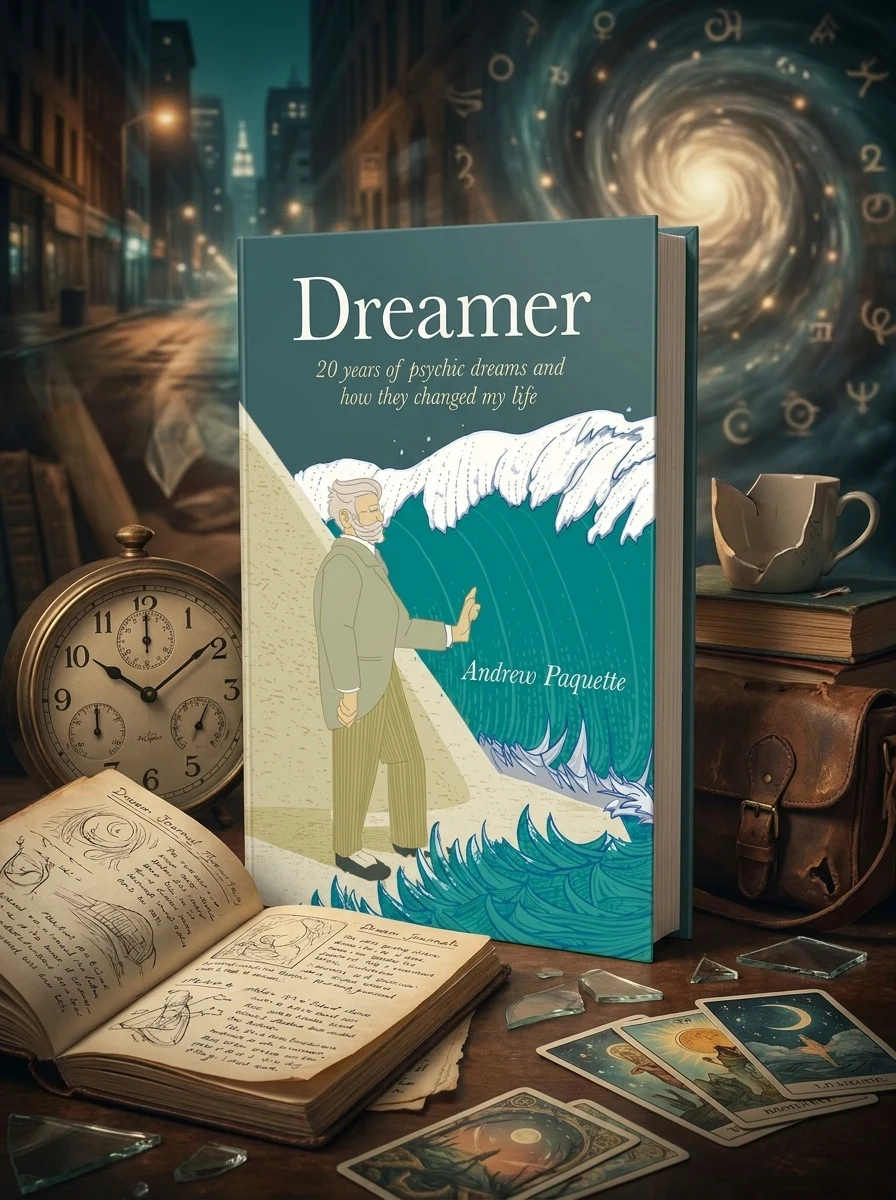
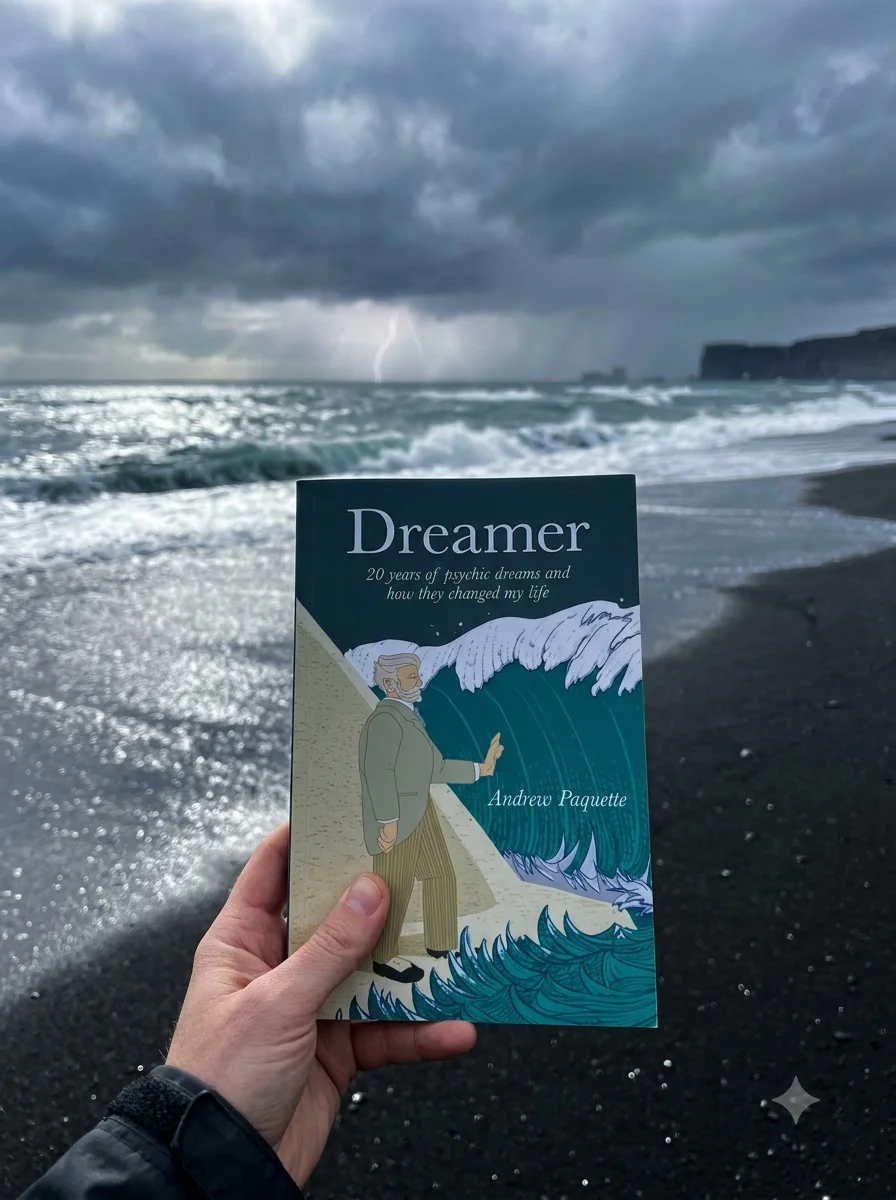

Dreamer
Traditional definitions of dreams often miss a crucial element: they are not mere subconscious ramblings. Andy Paquette, through two decades of rigorous dream journaling, unveils a profound reality. He posits that our nocturnal visions are, in fact, recollections—sometimes startlingly accurate—of future events and experiences. Paquette challenges prevailing myths, arguing that these predictive dreams are far more common than acknowledged, forming part of a continuous, shared existential tapestry. This book redefines dreaming, revealing its true significance beyond conventional understanding.


📝 Description: Dreamer
💎 Expert review
📖 Why choose it
Why this book is worth reading
Dreamer is an essential read for those who have experienced vivid, recurring dreams that felt strangely prophetic or disconnected from their waking life. Andy Paquette offers a validating framework for the intuitive seeker who suspects that consciousness extends beyond the physical body and linear time. By presenting two decades of rigorous journaling as evidence, he provides a structured yet accessible path for readers to begin trusting their nocturnal insights. This book is particularly beneficial for spiritual explorers tired of dismissing their dreams as mere noise, offering them a compelling alternative perspective that empowers them to view their inner world as a vital source of foresight and shared human experience rather than random neural firing.
⭐ Reader reviews
Reader rating
Paquette’s thesis challenges the materialist dismissal of prophetic dreaming with a personal, albeit anecdotal, approach. While the core idea of dreams as echoes of a shared future is intriguing, the book relies heavily on subjective interpretation rather than empirical verification. It may frustrate readers seeking hard scientific data or rigorous academic critique of parapsychology. Furthermore, those who prefer strictly clinical psychological analyses of sleep will likely find the metaphysical assertions unsubstantiated. However, for the open-minded occultist, it serves as a provocative catalyst for self-inquiry rather than a definitive proof. It is best consumed as speculative philosophy, not factual history.
❓ Frequently asked questions
📖 Who should read this
If you've ever dismissed dreams as mere fantasy or wondered about their deeper purpose, this book is for you. It challenges established beliefs, inviting you to re-examine your nocturnal experiences and unlock a profound understanding of consciousness, time, and shared reality.
🎯 Key themes and symbolism
Predictive Dream States
Paquette's central revelation is the widespread occurrence of dreams that foresee future events. Drawing from personal experience and extensive records, he presents compelling evidence that these precognitive visions are not anomalies but a fundamental aspect of human consciousness, often providing valuable insights or warnings.
Redefining Dream Interpretation
This work radically questions conventional psychological and spiritual interpretations of dreams. Paquette dismantles established myths, offering a fresh perspective that moves beyond symbolic analysis to propose that dreams are direct, though often fragmented, memories of a collective future, urging readers to reconsider their nature and purpose.
Shared Existential Continuum
Beyond individual premonitions, Paquette introduces the concept that dreams connect us to a larger, shared reality. He suggests that what we experience in sleep are not isolated personal narratives, but glimpses into a universal stream of existence, linking individual consciousness to a collective awareness of time and experience.
📜 Historical context
📚 Glossary
- Precognition
- Existential Continuum
- Dream Journaling
📔 Questions to reflect on
- Reflect on any dreams you've had that later seemed to correspond with real-life events. How might Paquette's theories explain these experiences?
- If dreams are a shared continuum of existence, how might this change your perception of personal responsibility or collective destiny?
- Begin a dream journal. What patterns or recurring themes emerge when you meticulously record your nocturnal experiences?