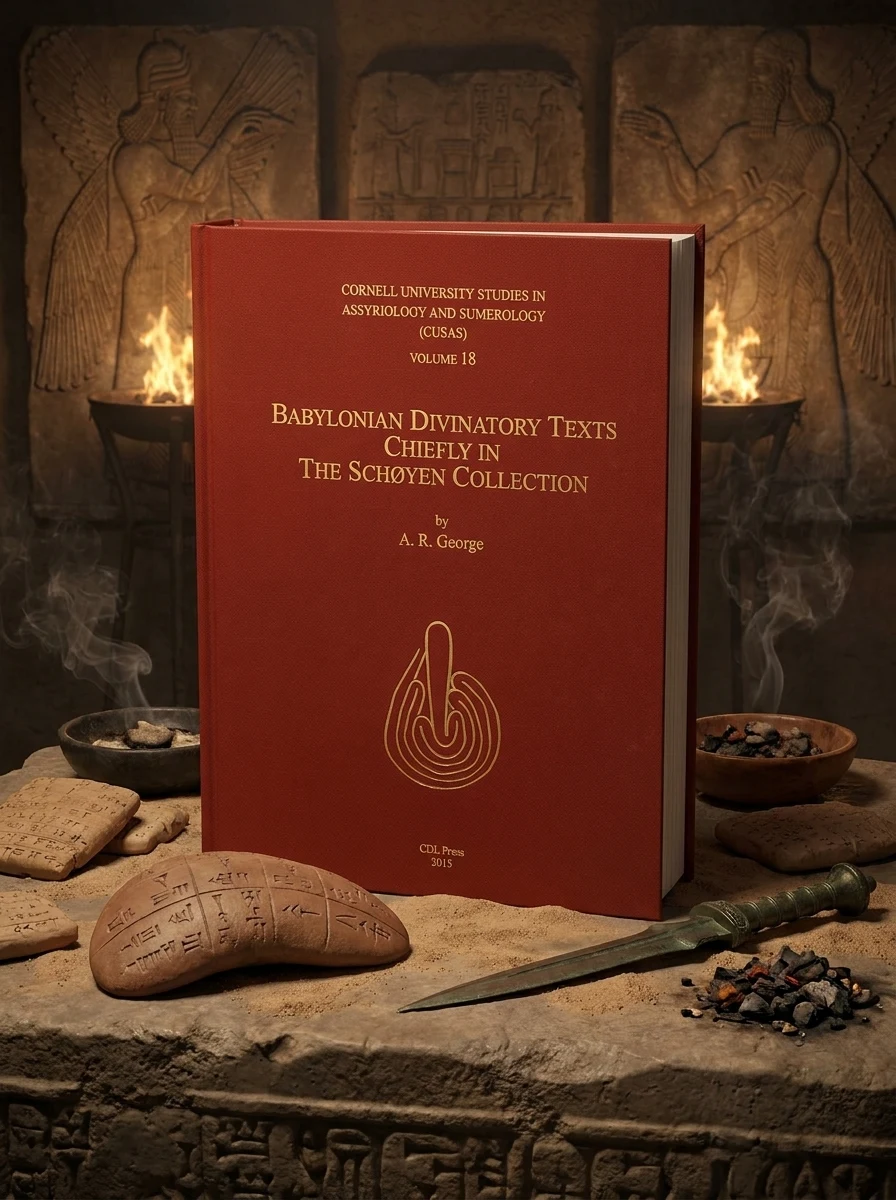
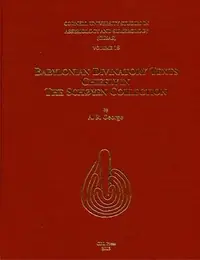
Cusas 18: Babylonian Divinatory Texts Chiefly in the Schøyen Collection George, Andrew R
Stock reported in the catalog; fulfillment is confirmed with your request.
Unearth the arcane prophecies of ancient Mesopotamia with this unparalleled collection of divinatory texts.
Andrew R. George unveils a remarkable compendium of Mesopotamian divinatory practices. This volume meticulously presents newly discovered prayers, detailed extispicy interpretations, comprehensive omen lists, and conceptual models used by ancient seers. Spanning over two millennia, these crucial insights into Babylonian foresight originate from diverse archaeological locations, including a previously unidentified urban center. It offers an unparalleled window into the sophisticated systems used to decipher divine will and predict earthly events, making ancient wisdom accessible to modern scholars and enthusiasts alike.
This volume anchors itself in the rich tapestry of ancient Mesopotamian esotericism, specifically focusing on Babylonian divinatory practices and the sophisticated systems used to decipher divine will.


📝 Description: Cusas 18: Babylonian Divinatory Texts Chiefly in the Schøyen Collection George, Andrew R
💎 Expert review
📖 Why choose it
Why this book is worth reading
This book serves as an indispensable resource for modern scholars and dedicated enthusiasts seeking to bridge the gap between contemporary understanding and ancient Mesopotamian foresight. By meticulously presenting newly discovered prayers, detailed extispicy interpretations, and comprehensive omen lists, it offers a rare window into the conceptual models used by ancient seers. Readers will gain access to insights spanning over two millennia, drawn from diverse archaeological locations including previously unidentified urban centers. It is essential for anyone wishing to comprehend the intricate mechanisms through which Babylonian priests predicted earthly events and interpreted divine signals, making complex historical wisdom accessible and coherent.
⭐ Reader reviews
Reader rating
George’s work is a monumental achievement in translating and contextualizing Babylonian divinatory texts from the Schøyen Collection. It provides unparalleled detail on extispicy and omen lists, appealing strictly to those with academic or deep esoteric interest. However, it does NOT suit casual readers seeking accessible mythology or simple fortune-telling guides. The dense presentation of prayers and conceptual models requires significant scholarly dedication. Those expecting narrative flair or modern applications may find the focus on archaeological provenance and technical interpretation dry. It is a rigorous tool for specialists rather than a leisurely read for the general public.
❓ Frequently asked questions
📖 Who should read this
If you're drawn to the profound mysteries of ancient wisdom, the intricacies of cuneiform, or the historical roots of divinatory arts, this book is an indispensable resource. Scholars and serious practitioners alike will find its contents revelatory for understanding Mesopotamian foresight.
🎯 Key themes and symbolism
Ancient Divination Practices
Explores the varied methods Mesopotamians employed to divine the future, from intricate animal entrail readings (extispicy) to the interpretation of omens and formalized prayer structures designed to solicit divine guidance. It reveals the systematic and ritualistic nature of their prophetic traditions, offering a direct window into their worldview.
Linguistic & Historical Insights
Offers a profound look into the ancient Akkadian language through meticulous transliteration and translation, alongside extensive commentary that contextualizes these texts within their historical and cultural milieu. This dual approach illuminates the societal role of divination and its evolution over two millennia, enriching our understanding of ancient Near Eastern history.
Unveiling New Discoveries
Presents a wealth of previously unpublished texts, including fragments from an unrecorded city, significantly expanding our understanding of Mesopotamian scribal and divinatory traditions. This collection adds vital pieces to the puzzle of ancient Near Eastern esotericism, offering fresh perspectives on established scholarship and new avenues for research.
💬 Quotes from the book
“The careful examination of the sheep's liver, particularly the gallbladder's position and the configuration of the *porta hepatis*, was paramount for discerning the gods' intentions regarding military campaigns.”
“Several previously unattested omen protases from the late Old Babylonian period reveal a nuanced understanding of celestial conjunctions influencing crop yields, suggesting a sophisticated agricultural prognostication system.”
📜 Historical context
📚 Glossary
- Extispicy
- Omen Lists
- Transliteration
📔 Questions to reflect on
- How do the systematic approaches to divination in ancient Mesopotamia compare to contemporary methods of seeking foresight or understanding the unknown?
- Considering the meticulous nature of these texts, what does it reveal about the societal value and intellectual effort invested in divination during this period?
- If you were an ancient Babylonian scribe interpreting omens, what ethical responsibilities would you feel towards your community and the divine?
You might also like
See more →
 91
91
 91
91