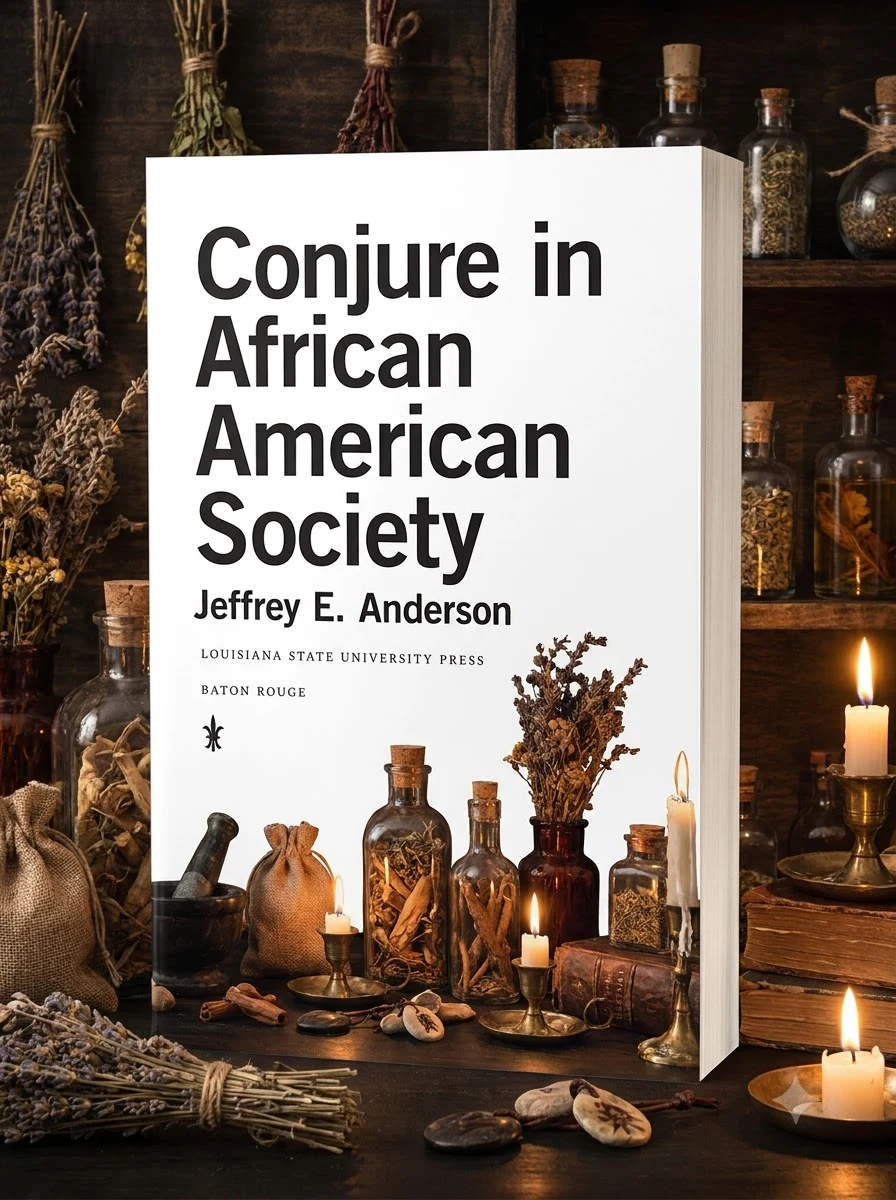
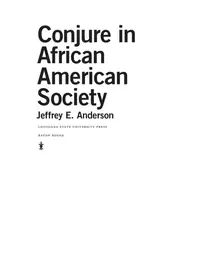
Conjure in African American Society
Anderson, Jeffrey EStock reported in the catalog; fulfillment is confirmed with your request.
Unearth the profound, often misunderstood, history of African American conjure.
Jeffrey E. Anderson meticulously traces the intricate journey of conjure within African American society, from its foundational blend of African, European, and Native American spiritualities in antebellum slave communities to its modern-day expression as a multi-million dollar industry. This compelling study transcends simplistic stereotypes, revealing conjure's deep-rooted significance as a complex system of healing, resistance, and social navigation. Drawing upon a rich tapestry of folklore, art, music, and personal accounts, the book masterfully illuminates the varied roles and practical applications of conjurers throughout history.
This work sits firmly within the tradition of African American folk magic and esoteric studies, exploring the historical synthesis of African, European, and Native American spiritualities. It addresses the evolution of conjure from antebellum slave communities to its contemporary manifestation as a significant cultural industry.


📝 Description: Conjure in African American Society
💎 Expert review
📖 Why choose it
Why this book is worth reading
Readers deeply interested in the authentic, nuanced history of African American spiritual practices will find immense value in this text. It offers a vital corrective to simplistic stereotypes by revealing conjure as a complex system of healing, resistance, and social navigation rather than mere superstition. Those seeking to understand how folklore, art, music, and personal accounts intertwine to form a resilient cultural identity will appreciate Anderson’s meticulous tracing of this journey. The book is essential for anyone wishing to grasp the profound significance of these traditions in both historical survival and modern economic contexts, providing a respectful and comprehensive look at a misunderstood heritage.
⭐ Reader reviews
Reader rating
Anderson provides a compelling, well-researched account that transcends surface-level curiosities about conjure. However, readers seeking sensationalist tales of dark magic or quick-fix esoteric instructions will be disappointed, as this is a scholarly study rather than a grimoire. Those expecting romanticized folklore without historical rigor may find the academic tone dry. The book does not suit those looking for practical spell-casting guides or those unwilling to engage with the serious sociological and historical weight of African American resistance and healing traditions presented here.
❓ Frequently asked questions
📖 Who should read this
If you're captivated by the complex tapestry of African American spiritual traditions, seeking a rigorous yet accessible exploration of Hoodoo's origins and societal impact, or wish to challenge prevailing misconceptions about folk magic, this book offers invaluable, transformative insights.
🎯 Key themes and symbolism
From Antebellum to Modern Day
This work meticulously chronicles conjure's evolution, starting from its diverse origins in slave communities of the American South. It follows its path through emancipation and the 20th century, culminating in its contemporary manifestation, including the commercialization seen in spiritual supply stores, showcasing its enduring adaptability and cultural presence.
Beyond Superstition
Anderson challenges prevailing, often derogatory, views of conjure as mere superstition or backwardness. He reveals its multifaceted nature as a sophisticated system of belief and practice that provided psychological support, physical healing, legal advantage, and acts of resistance against oppression, reframing its historical significance.
The Conjurer's Diverse Roles
The book explores the various identities and functions of conjurers throughout history. They are portrayed not only as figures of folk wisdom but also as skilled herbalists, insightful psychologists, and powerful advocates. It examines how they wielded influence through practical remedies, strategic advice, and even the skillful manipulation of fear.
💬 Quotes from the book
“The resilience of conjure lay not merely in its esoteric rites, but in its profound capacity to adapt, providing solace and agency within an oppressive world.”
“Far from a relic of ignorance, the conjurer often served as a community's most astute herbalist, psychologist, and advocate.”
📜 Historical context
📚 Glossary
- Conjure
- Hoodoo
- Antebellum South
📔 Questions to reflect on
- How might understanding conjure's historical context reshape your views on folk magic or spirituality in oppressed communities?
- In what ways do you see contemporary spiritual or self-help practices echoing the practical applications of historical conjure?
- Reflect on how cultural narratives or media portrayals might perpetuate or challenge stereotypes about specific spiritual traditions.
✍️ More books by this author Anderson, Jeffrey E
All books by this author →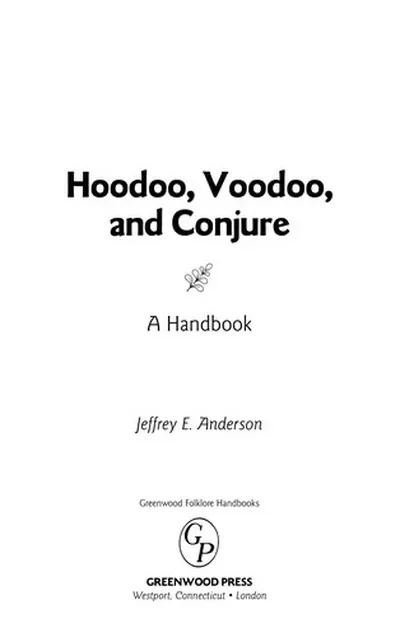
🏛 Books from this publisher LSU Press
All books from this publisher →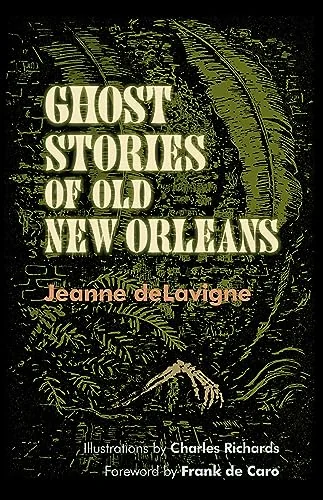

You might also like
See more →


 91
91