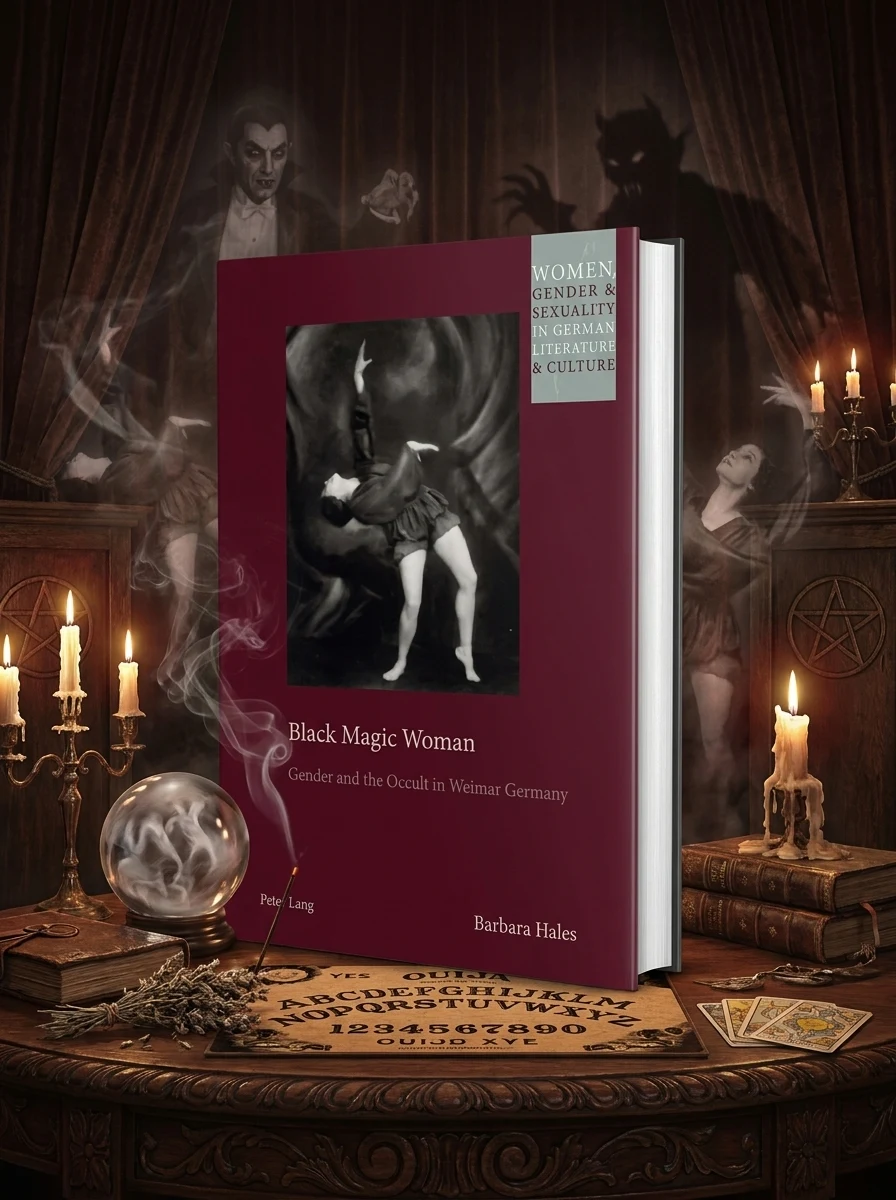
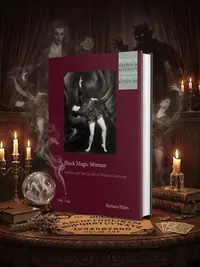
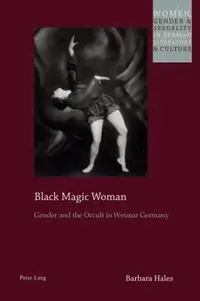
Black Magic Woman: Gender and the Occult in Weimar Germany Watanabe-O'Kelly, Helen
Stock reported in the catalog; fulfillment is confirmed with your request.
Explore the unseen influence of women and the occult in tumultuous Weimar Germany.
Helen Watanabe-O'Kelly's compelling study delves into the fascinating roles women played within occult practices during Germany's interwar period. This meticulously researched volume examines not only women's direct engagement in spiritualism, expressive dance, and esoteric traditions, but also their potent symbolic presence in popular culture. From mediums channeling spirits to fictional portrayals of demonic figures and supernatural beings, the book illuminates how the feminine intertwined with the mystical, reflecting societal anxieties and empowering new forms of expression in a rapidly changing world. It's an essential read for understanding a unique cultural moment.
This scholarly work situates itself within the study of Weimar Germany's interwar period, exploring the intersection of gender studies, occultism, and cultural history. It examines how women navigated spiritualism and esoteric traditions amidst societal turbulence.


📝 Description: Black Magic Woman: Gender and the Occult in Weimar Germany Watanabe-O'Kelly, Helen
💎 Expert review
📖 Why choose it
Why this book is worth reading
Readers interested in the nuanced history of women’s agency during turbulent times will find this book invaluable. It offers a deep dive into how feminine identities were constructed through spiritualism and dance, providing critical insight into societal anxieties of Weimar Germany. Those studying the symbolic power of the mystical in popular culture will appreciate the detailed analysis of mediums and fictional portrayals. It empowers understanding of how esoteric practices served as both a refuge and a form of expression for women in a rapidly changing world, making it essential for historians and gender studies enthusiasts alike.
⭐ Reader reviews
Reader rating
Watanabe-O'Kelly delivers a meticulously researched volume that illuminates the potent symbolic presence of women in occult practices. While intellectually rigorous and culturally significant, this academic text may not suit casual readers seeking accessible narratives or practical magical instruction. It is best suited for scholars and serious students of history who appreciate dense analysis over broad generalizations. Those expecting a light exploration of spiritualism might find the focus on societal anxieties and esoteric traditions too specialized. However, for those willing to engage with its scholarly depth, it offers unparalleled clarity on this unique cultural moment.
❓ Frequently asked questions
📖 Who should read this
If you're drawn to the crossroads of gender studies, occult history, and early 20th-century German culture, this book is for you. It offers a nuanced perspective on women's roles in spiritual movements and their powerful cultural symbolism during a pivotal historical era.
🎯 Key themes and symbolism
Women's Occult Agency
This book explores how women actively participated in various occult practices, such as expressive dance and mediumism, within Weimar Germany. It highlights their agency in these often unconventional spaces, demonstrating how they carved out roles for themselves that challenged traditional societal norms and offered avenues for spiritual and personal exploration during a period of profound social upheaval.
Fictional Demonic Feminine
Beyond real-world practices, the study meticulously analyzes how women were depicted in fiction as supernatural or demonic entities. It delves into the cultural significance of figures like ghosts, vampires, and other monstrous archetypes, illustrating how these portrayals reflected and shaped contemporary perceptions of female power, autonomy, and the darker aspects of the feminine mystique.
Weimar's Esoteric Landscape
The work contextualizes women's involvement in the occult within the broader cultural and historical tapestry of Weimar Germany. It reveals how the unique social and political climate of the era fostered a fertile ground for esoteric movements, spiritual experimentation, and a widespread fascination with the irrational, influencing both real practices and their fictional interpretations.
💬 Quotes from the book
“The esoteric currents of Weimar Germany offered women an often-unacknowledged stage for agency, where spiritual exploration could subtly subvert patriarchal expectations.”
“Fictional portrayals of the 'Black Magic Woman' in this era served as cultural mirrors, reflecting society's anxieties and desires concerning female power and the unknown.”
📜 Historical context
📚 Glossary
- Weimar Republic
- Mediumism
- Occult
📔 Questions to reflect on
- How might the social and political climate of Weimar Germany have made occult practices particularly appealing to women seeking agency or expression?
- Consider a contemporary fictional 'demonic feminine' archetype. What societal anxieties or fascinations does she reflect in our current culture?
- In what ways do you think the historical narrative of occultism often overlooks or misrepresents the contributions and experiences of women?
🏛 Books from this publisher Peter Lang Ltd, International Academic Publishers
All books from this publisher →

You might also like
See more →
 91
91
 91
91
 91
91