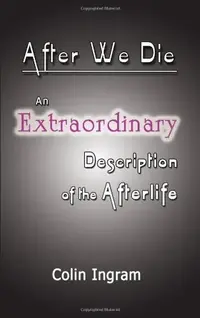
After We Die: An Extraordinary Discussion of the Afterlife
This edition can be ordered. No arrival date is confirmed.
A pragmatic, rational map of the soul’s journey beyond death, defying all traditional religious boundaries.
Colin Ingram presents a startlingly logical framework for understanding what lies beyond the veil. Rather than relying on dogma or vague spiritualism, this text offers a meticulous, evidence-based exploration of post-mortem existence. It dissects the mechanics of consciousness, detailing how identity, memory, and perception evolve when the physical body fails. Readers will find a surprising clarity on how we might navigate these new realms, communicate across dimensions, and retain our essential selves. It is a comprehensive guide that treats the afterlife not as a mystery to be feared, but as a natural, comprehensible next stage of existence.
This work sits at the intersection of spiritualism and rationalist inquiry, offering a pragmatic approach that defies traditional religious boundaries in favor of logical frameworks. It represents a modern attempt to demystify post-mortem existence through evidence-based exploration rather than dogma.


📝 Description: After We Die: An Extraordinary Discussion of the Afterlife
💎 Expert review
📖 Why choose it
Why this book is worth reading
Readers seeking clarity on the afterlife without religious dogma will find profound comfort in Colin Ingram’s pragmatic map of the soul’s journey. This book is ideal for those who feel alienated by vague spiritualism or fearful traditional narratives, offering instead a rational, evidence-based guide to post-mortem existence. By dissecting how consciousness and memory evolve beyond the physical body, Ingram provides a natural, comprehensible next stage for existence. It appeals to skeptics and believers alike who desire a logical framework for understanding death, helping them navigate these new realms with confidence rather than fear. Those looking to retain their essential selves while exploring communication across dimensions will appreciate this meticulous, non-dogmatic perspective on what lies beyond the veil.
⭐ Reader reviews
Reader rating
Came across this title in a footnote and had to track it down. It's become a regular reference in my practice. The symbolism is layered and generous to patient readers. Deserves a place on any esoteric bookshelf.
This has been on my wishlist for months. It reads better in small doses — a chapter at a time with notes. It connects ideas I'd only seen treated separately elsewhere. My only regret is not ordering it sooner.
Ingram delivers a startlingly logical framework that treats the afterlife as a natural, comprehensible stage rather than a mystery. While its rational approach offers surprising clarity for those weary of vague spiritualism or rigid religious boundaries, it may disappoint readers seeking mystical transcendence or emotional comfort through faith. The text’s focus on mechanics and identity evolution might feel too clinical for those preferring poetic or devotional interpretations of death. However, for the intellectually curious who view post-mortem existence as a logical progression, this guide is invaluable. It does not suit those wanting supernatural wonder over structured analysis, making it a niche but essential resource for pragmatic seekers navigating the unknown with reason.
❓ Frequently asked questions
📖 Who should read this
Seekers tired of vague platitudes who crave a logical, detailed explanation of death’s transition. Ideal for skeptics, philosophers, and serious students of consciousness seeking a grounded, non-dogmatic roadmap for the journey ahead.
🎯 Key themes and symbolism
Rational Spirituality
Consciousness Continuity
Post-Mortem Mechanics
💬 Quotes from the book
“A straightforward, rational, pragmatic, detailed and surprising account of what we can expect after passing on.”
“How we will think, what we will know, and how we will feel, see, hear and communicate in the afterlife.”
📜 Historical context
📚 Glossary
- Pragmatic Spirituality
- Consciousness Mapping
- Post-Mortem Perception
📔 Questions to reflect on
- If consciousness survives death, which of your current habits would you abandon immediately?
- What specific memories do you fear losing, and how might they integrate into a new form of existence?
- How does viewing death as a logical transition rather than a spiritual mystery change your daily priorities?
You might also like
See more →
 91
91
 91
91

 91
91