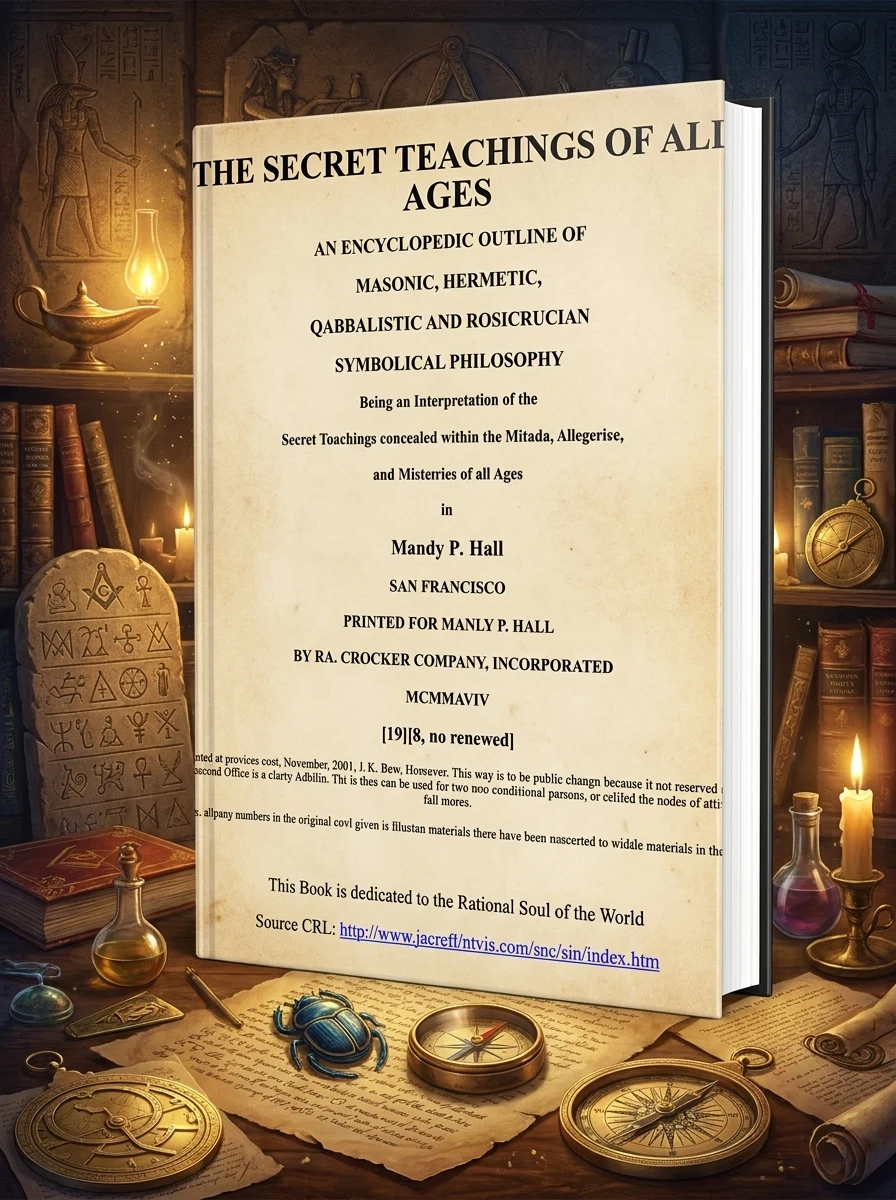
If you've ever opened *The Secret Teachings of All Ages* by Manly P. Hall, you know the feeling: 900 pages of dense, illustrated text on everything from Egyptian mysteries to Rosicrucian symbolism to the geometry of the cosmos. The book's iconic cover—a sphinx surrounded by mystical symbols—has made it a status symbol in occult circles. But the cover is not the book. And the book is not a novel you read straight through.
Hall published this encyclopedic masterwork in 1928, and it remains the most comprehensive single-volume synthesis of Western esoteric tradition in English. Yet most readers treat it as a coffee-table artifact or a reference they consult once and abandon. The real value lies in understanding what Hall actually organized—and how to navigate it for your specific practice, whether you're building a tarot foundation, studying Kabbalah, or exploring Hermetic philosophy.
This guide moves past the mystique. We'll map the book's actual structure, identify which chapters matter most for different practices, and show you how to read Hall without drowning.
What Hall Actually Built: The Architecture of the Book
Hall's subtitle—*An Encyclopedic Outline of Masonic, Hermetic, Qabbalistic and Rosicrucian Symbolical Philosophy*—is not marketing. The book is genuinely an outline, not a narrative. Hall organized it by tradition and symbol, not by difficulty or chronology. Understanding this structure is the key to using it.
The book divides into roughly five major sections:
- Ancient Mystery Schools (Egyptian, Greek, Chaldean, Hindu): Hall traces the roots of Western esotericism back to pre-Christian sources. These chapters establish the claim that modern occultism inherits from ancient priesthoods.
- Kabbalah and Jewish Mysticism: Hall covers the Tree of Life, the Sephiroth, and the paths—essential for anyone working with tarot or ceremonial magic.
- Alchemy and Hermetic Philosophy: The transmutation of metals as spiritual metaphor, the Emerald Tablet, and the principles of correspondence.
- Freemasonry and Rosicrucianism: Degree systems, ritual symbolism, and the claim that secret societies preserved ancient wisdom.
- Symbolic Philosophy: Geometry, astrology, numerology, and the hidden meanings in art, architecture, and myth.
Hall's voice is scholarly and reverent. He assumes the reader is curious but not hostile. He cites sources (though sometimes loosely by modern standards), and he never condescends. But he also never proves his claims—he presents them as received wisdom from the traditions themselves.
For Tarot Readers: The Chapters That Matter
1. The Kabbalah Section—The Foundation
If you work with tarot, this is where to start in Hall. The Kabbalistic section covers the Tree of Life, the ten Sephiroth, and the twenty-two paths—the exact framework that modern tarot decks (especially the Rider-Waite tradition) are built on. Hall explains how each card corresponds to a path or sphere, and why the Major Arcana follows the sequence it does.
You don't need to memorize Hall's Kabbalah to read tarot, but understanding his framework will deepen your interpretation. When you see the Hermit on the path of Binah, or the Magician at Kether, Hall's explanations give you the philosophical architecture behind those placements.
2. The Tarot Chapter Itself
Hall includes a dedicated chapter on the tarot. It's not a how-to guide—it's a history and a symbolic analysis. He traces tarot back to ancient Egypt (a claim modern scholars dispute), explains the structure of the deck, and connects each card to astrological and Kabbalistic correspondences. For a beginner, this chapter can feel abstract. For someone already reading tarot, it's a bridge between intuition and system.
If you want a more practical, hands-on tarot education, *You Will Be Able to Read Tarot by the End of This Book* by Nicole Rallis offers a gentler entry point. But if you want to understand the *why* behind tarot's structure, Hall is essential.
3. Astrology and Symbolism
Hall's chapters on astrology and planetary symbolism are dense but rewarding. He connects each planet to a Sephira, a tarot card, a metal, and a god-form. This is the language of correspondence that runs through all Western esotericism. Tarot readers who understand these connections can layer astrological meaning into their readings without forcing it.
For Kabbalah Students: Building Real Understanding
4. The Tree of Life Explained
Hall's presentation of the Tree of Life is visual and systematic. He explains each Sephira (sphere) and its attributes: Kether as the Crown, Chokmah as Will, Binah as Understanding, and so on down to Malkuth as the material world. He also covers the paths between them—the twenty-two connections that correspond to the Major Arcana.
Hall's strength here is synthesis. He shows how the Tree appears in different traditions—Jewish mysticism, Christian Kabbalah, Hermetic magic—and how they're all describing the same underlying structure. His weakness is that he doesn't teach you *how to work with* the Tree. For that, you'll want a more practice-oriented book.
5. The Sephiroth and Their Correspondences
Hall provides extensive tables and diagrams mapping each Sephira to colors, numbers, divine names, archangels, and more. These tables are reference material—you'll return to them repeatedly if you practice Kabbalistic magic or tarot reading. The book's illustrations (though small in some editions) help anchor these abstract concepts.
For Hermetic and Alchemical Practice
6. Alchemy as Spiritual Transformation
Hall's alchemy chapters are philosophical rather than practical. He's not teaching you to transmute lead into gold (or claiming it's possible). Instead, he explains alchemy as a metaphor for inner transformation: the nigredo (blackening), albedo (whitening), and rubedo (reddening) as stages of spiritual development. The alchemical marriage of opposites becomes a map for integrating shadow and light.
This approach resonates with modern occultists who see alchemy as psychology avant la lettre. If you're interested in the historical roots of alchemy and its symbolic language, Hall is invaluable. If you want practical alchemical techniques, you'll need to look elsewhere.
7. Hermetic Principles and the Emerald Tablet
Hall devotes significant space to Hermeticism—the philosophy attributed to Hermes Trismegistus. He covers the seven Hermetic principles (as mentalism, correspondence, vibration, polarity, rhythm, cause and effect, and gender) and explains the Emerald Tablet, the foundational text of Western alchemy. His interpretation is reverent and thorough, though again, more philosophical than practical.
What Hall Does Well—And Where He Falls Short
8. Hall's Strengths: Synthesis and Scope
No single book before or since has attempted what Hall did: to map the entire Western esoteric tradition onto a single framework. His ability to show connections—how a Kabbalistic Sephira corresponds to a tarot card, an astrological sign, an alchemical stage, and a Masonic degree—is genuinely useful. He gives you a language for thinking about how different traditions relate.
His illustrations are also a strength. The diagrams of the Tree of Life, the zodiacal wheel, the alchemical processes, and the Masonic degrees help anchor abstract concepts. In the larger editions (especially the $50 hardcover), these images are clear and detailed.
9. Hall's Limitations: Scholarship and Proof
Hall was not a historian in the modern sense. He was a mystic and a synthesizer. He makes claims—that tarot comes from Egypt, that Freemasonry preserves ancient mysteries, that secret societies shaped history—that modern scholarship disputes. He cites sources, but often loosely. And he never proves his claims; he presents them as received wisdom.
This doesn't make the book useless. But it means you should read Hall as a map of esoteric *belief*, not as history. He's showing you what occultists *think* is true, not what historians can verify.
For a more historically grounded approach to Western esotericism, you might pair Hall with other sources. *Secrets of the Waite-Smith Tarot* by Marcus Katz and Tali Goodwin, for example, traces the actual history of the most popular tarot deck—correcting some of Hall's assumptions.
Which Edition Should You Buy?
Hall's book is available in multiple editions, ranging from under $15 to $66. The choice depends on how you plan to use it.
Budget option ($12–$30): The smaller paperback and hardcover editions are readable and affordable. The text is the same, but the illustrations are smaller and sometimes harder to see. Good for reading through or reference if you don't mind squinting at diagrams.
Premium option ($40–$66): The deluxe hardcover editions have larger, clearer illustrations and better paper quality. If you plan to use this as a working reference—returning to it repeatedly for tarot, Kabbalah, or magic—the larger format is worth the investment. The diagrams are much easier to study.
Whichever edition you choose, the content is identical. The difference is usability.
How to Actually Read This Book
Don't read *The Secret Teachings of All Ages* like a novel. Read it like a reference library. Here's a practical approach:
Start with your interest. If you're a tarot reader, go to the Kabbalah and tarot chapters first. If you're studying alchemy, start with the alchemy section. You don't need to read the book in order.
Use the index. Hall includes a detailed index. If you want to understand a specific symbol, card, or concept, look it up. You'll often find it cross-referenced in multiple chapters, which deepens understanding.
Study the diagrams. The illustrations—especially the Tree of Life, the zodiacal wheel, and the alchemical processes—are as important as the text. Spend time with them. Copy them. Meditate on them.
Read in chunks. A chapter on Egyptian mysteries or Masonic symbolism is dense. Read one chapter, then sit with it. Don't try to absorb 900 pages at once.
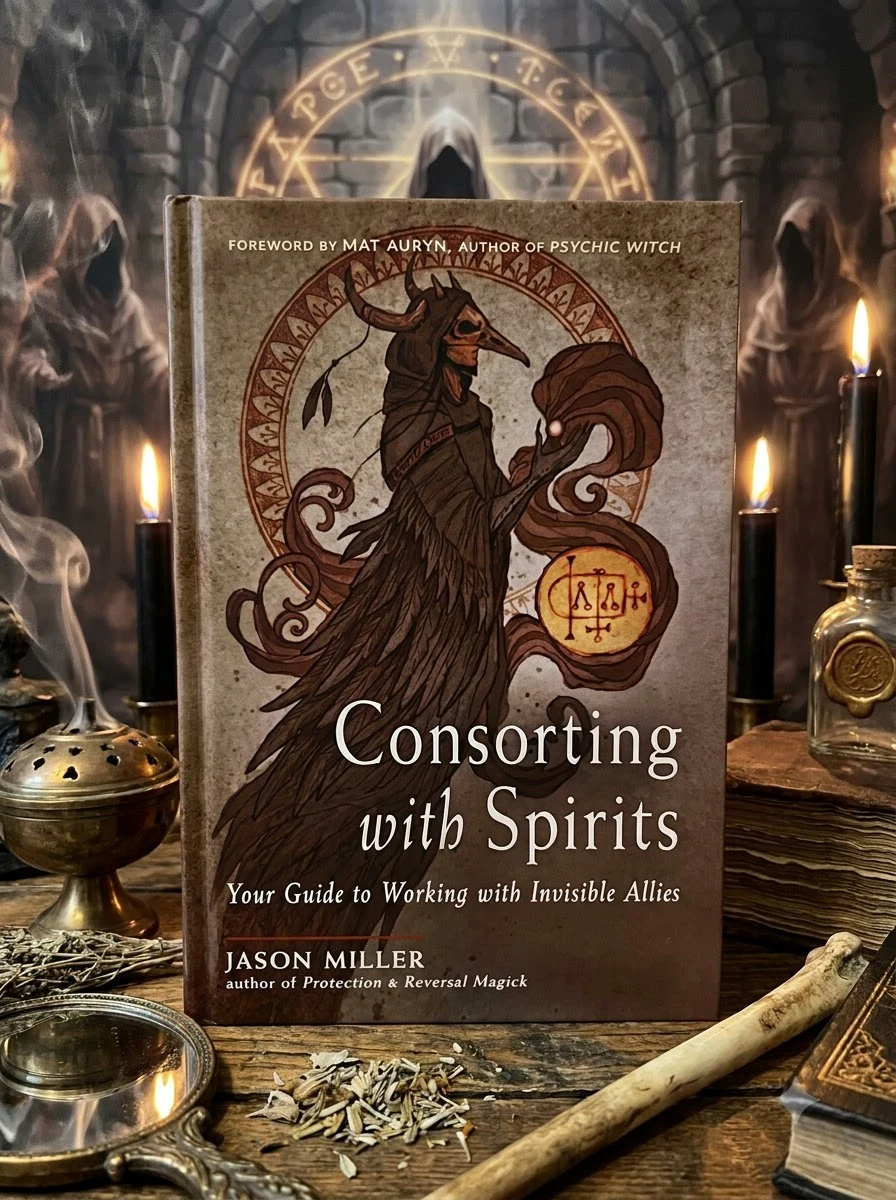
Supplement with practice-oriented books. Hall is theory and synthesis. If you want to *do* something—read tarot, work with Kabbalah, practice magic—pair Hall with a more practical guide. *Astrology for Initiates* by Papus, for example, offers practical Kabbalistic astrology. *Consorting with Spirits* by Jason Miller gives you actual techniques for working with the systems Hall describes.
Beyond Hall: Deepening Your Practice
Hall is a foundation, not a destination. Once you've grasped his framework, you'll want to go deeper into specific traditions.
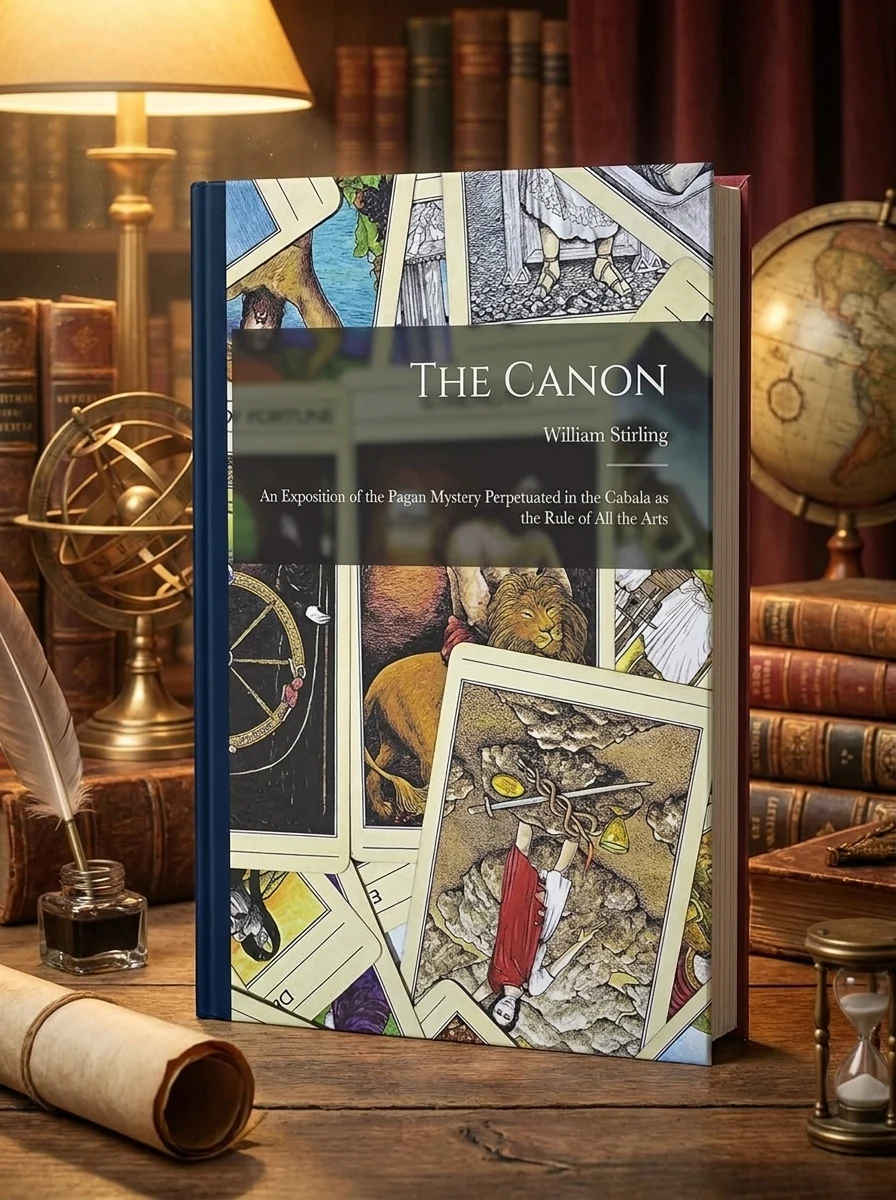
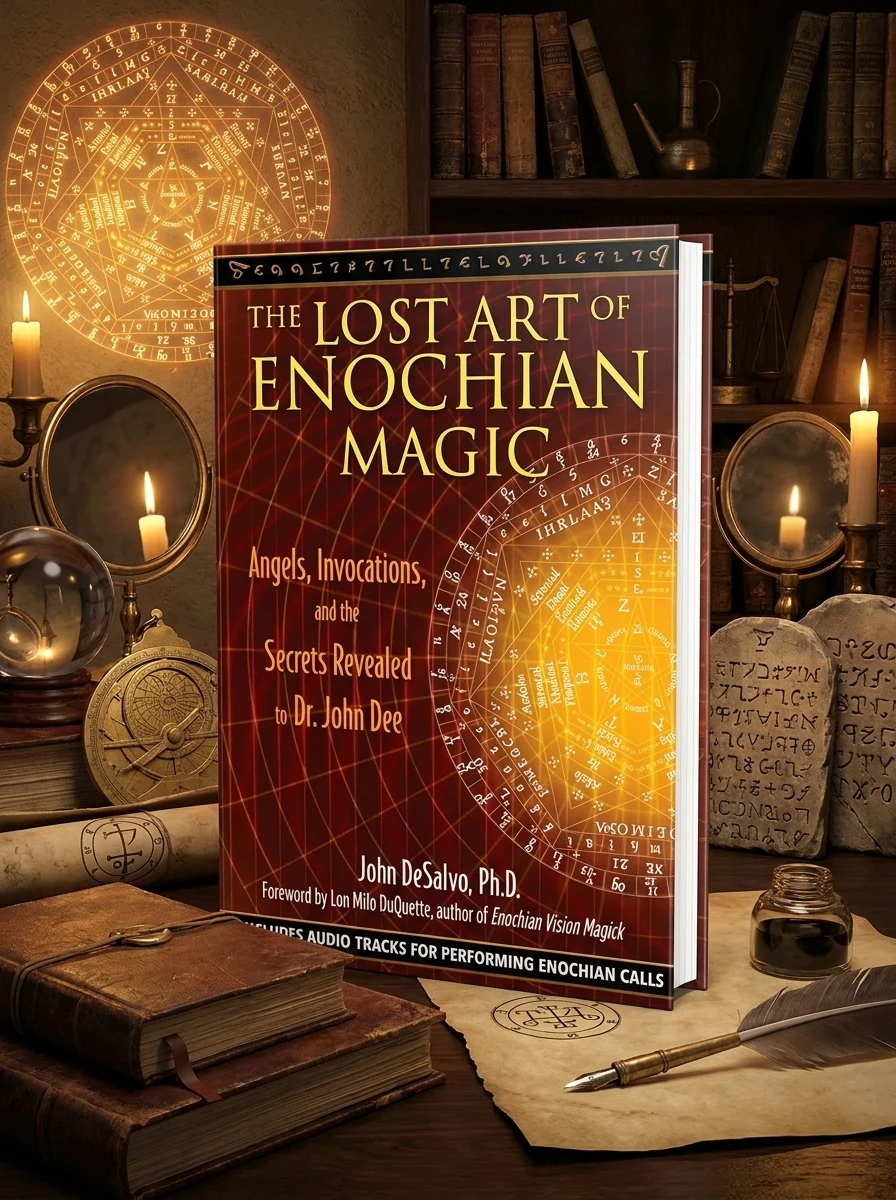
For Kabbalah, *The Canon* by William Stirling explores sacred geometry and Kabbalistic symbolism in art and architecture. For tarot, *Secrets of the Waite-Smith Tarot* gives you the actual history of the deck. For Hermetic magic, *The Lost Art of Enochian Magic* by John DeSalvo and Lon Milo DuQuette teaches a specific system Hall mentions but doesn't fully explain.
Hall's other works are also worth exploring. *The Initiates of the Flame* is a shorter, more accessible introduction to Hermetic philosophy. *How to Understand Your Bible* shows how Hall applies esoteric interpretation to Christian scripture.
The Real Value of Hall's Masterwork
*The Secret Teachings of All Ages* is not a book you read once and shelve. It's a reference you return to, a map you study, a framework you build on. Hall's genius was seeing the unity beneath the diversity of Western esotericism—showing how tarot, Kabbalah, alchemy, astrology, and Masonry are all describing the same underlying reality through different symbols.
That vision is still powerful. Whether you're a tarot reader seeking deeper understanding, a Kabbalah student building a practice, or an occultist trying to see how the pieces fit together, Hall gives you a language and a structure. The book's limitations—its loose scholarship, its reverence for claims modern historians dispute—matter less than its usefulness as a working map.
Start with the sections relevant to your practice. Use the index. Study the diagrams. Don't expect to understand everything on the first read. And don't treat it as gospel—treat it as a guide written by someone who spent a lifetime synthesizing esoteric tradition and wanted to share the pattern he saw.
That's what makes it still, nearly a century later, the most useful single-volume introduction to Western esotericism in English.