The mystic's path has never been confined to a single tradition. Throughout history, seekers have recognized that the deepest truths about consciousness, divine union, and human transformation speak across cultural boundaries. A Christian contemplative and a Sufi dervish may use different language, different prayer forms, different symbolic systems—yet they often describe the same inner experience. Similarly, the Kabbalistic map of the genesis of creation resonates with mystical theology found in both Christian and Islamic esotericism.
For the modern seeker, this cross-tradition approach offers something invaluable: a way to deepen your practice by learning how different wisdom lineages address the same fundamental questions. How does consciousness unfold? What is the nature of the divine? How do we transform ourselves spiritually? By studying these three traditions together, you gain not just intellectual knowledge, but practical tools and frameworks that can enrich your own spiritual work.
The books below are chosen specifically for their ability to bridge these worlds—either by exploring one tradition deeply enough that its universal principles become clear, or by explicitly drawing connections across the three paths. Whether you're a seasoned practitioner or new to esoteric spirituality, these texts will show you how Christian, Sufi, and Kabbalistic wisdom form a coherent whole.
The Kabbalistic Foundation: Understanding the Tree of Life
Before you can see how Kabbalah speaks to Christian and Sufi mysticism, you need to understand its core architecture. The Tree of Life is not merely a symbol; it's a map of consciousness itself, describing how the infinite divine manifests into finite reality, and how the human soul can ascend back toward unity. This framework appears in different forms across all three traditions.
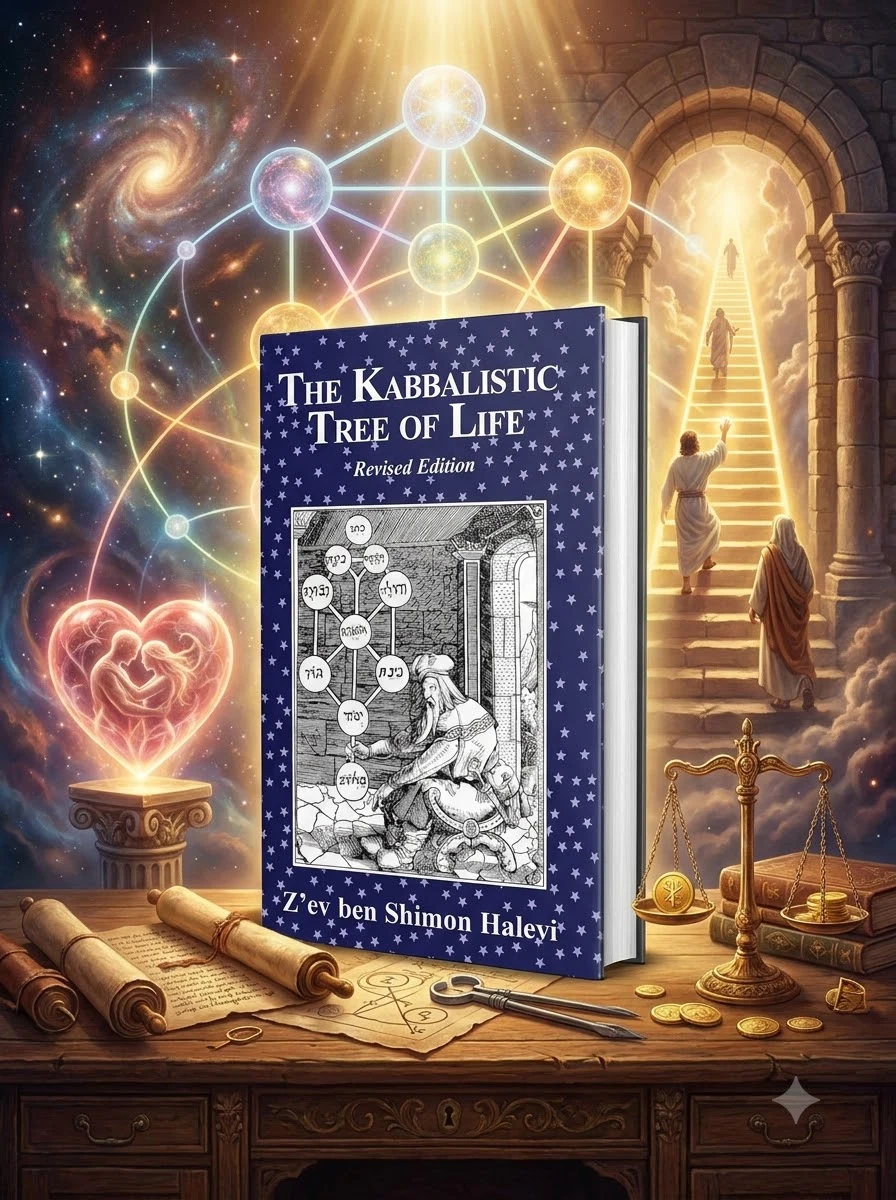
1. The Kabbalistic Tree of Life (Revised) — Z'Ev Ben Shimon Halevi
The Kabbalistic Tree of Life (Revised) remains the clearest modern introduction to this foundational symbol. Halevi presents the Tree not as abstract philosophy but as a living system for understanding your own inner landscape. He shows how each sphere and path corresponds to states of consciousness, divine names, and stages of spiritual development. This is essential reading because the Tree's language appears throughout Christian Hermeticism and Sufi cosmology—once you grasp it here, you'll recognize its echoes everywhere.
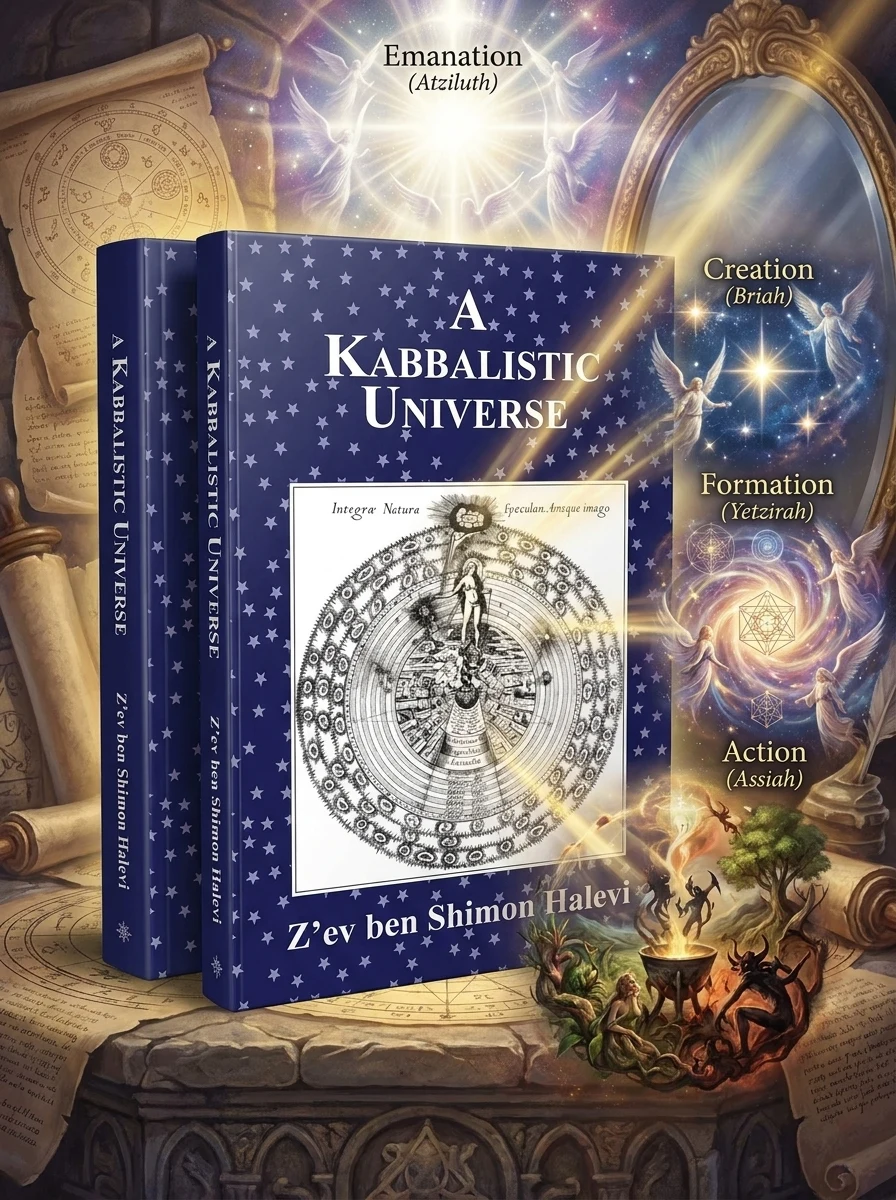
2. A Kabbalistic Universe (Revised) — Z'Ev Ben Shimon Halevi
A Kabbalistic Universe (Revised) expands the Tree into a complete cosmology. Halevi describes how the Kabbalistic model of reality—with its multiple worlds, divine emanations, and the role of human consciousness in the cosmic order—parallels mystical understandings found in Christian theology and Sufi metaphysics. His approach is systematic yet accessible, making abstract principles concrete and applicable to your own spiritual practice.
Christian Mysticism: The Esoteric Heart of Western Faith
Christian mysticism is often overlooked in contemporary spirituality, yet it contains a sophisticated esoteric tradition that rivals any other path. From the Desert Fathers to medieval contemplatives to modern practitioners, Christian mystics have developed methods for direct union with the divine that parallel Sufi and Kabbalistic approaches. The key is recognizing that Christianity has always had an inner, hidden dimension.
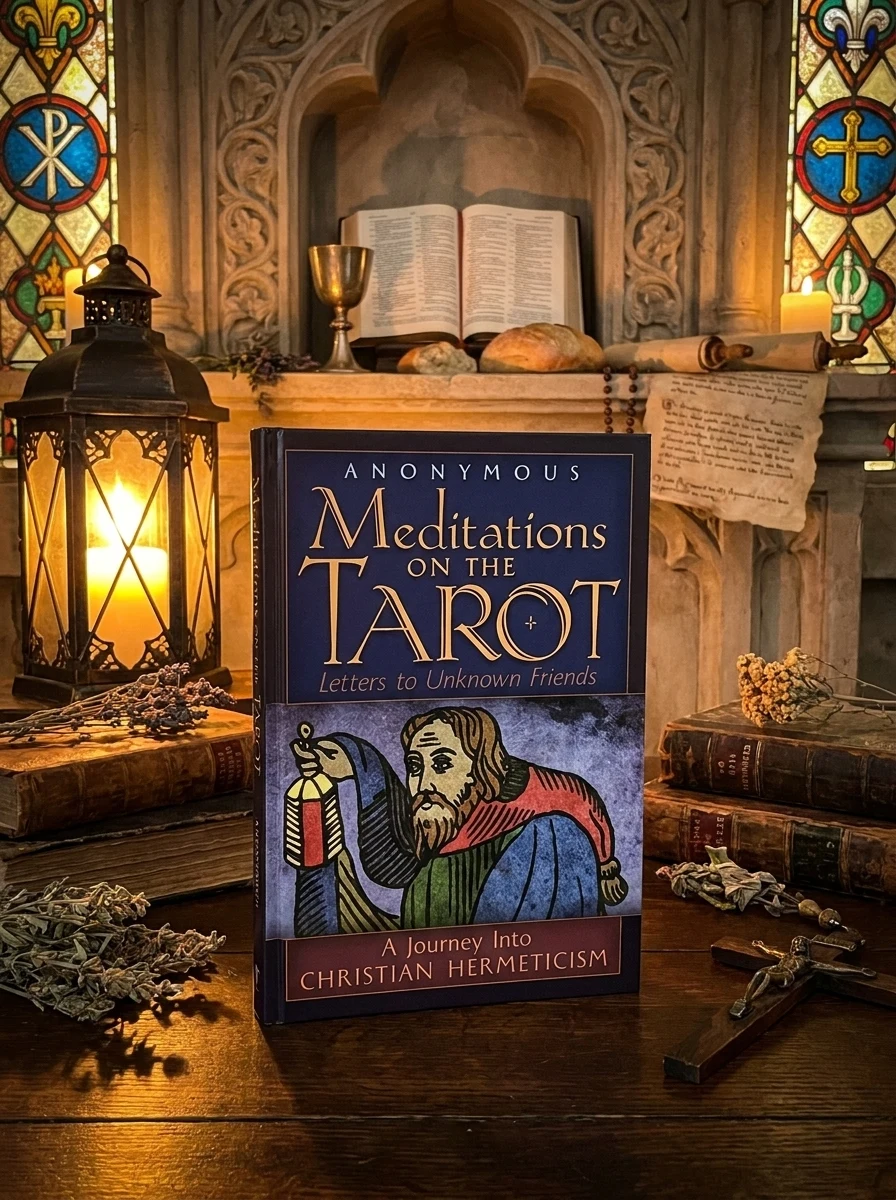
3. Meditations on the Tarot: A Journey into Christian Hermeticism — Anonymous (with Robert Powell)
Meditations on the Tarot: A Journey into Christian Hermeticism is a masterwork that explicitly weaves together Christian theology, Kabbalistic symbolism, and Hermetic philosophy through the Tarot's Major Arcana. Written by an anonymous Christian esotericist, this book shows how the Tarot—often seen as pagan or occult—is actually a profound expression of Christian mystical teaching. Each card becomes a meditation on Christ consciousness and divine transformation. This is where the three traditions begin to speak as one voice.
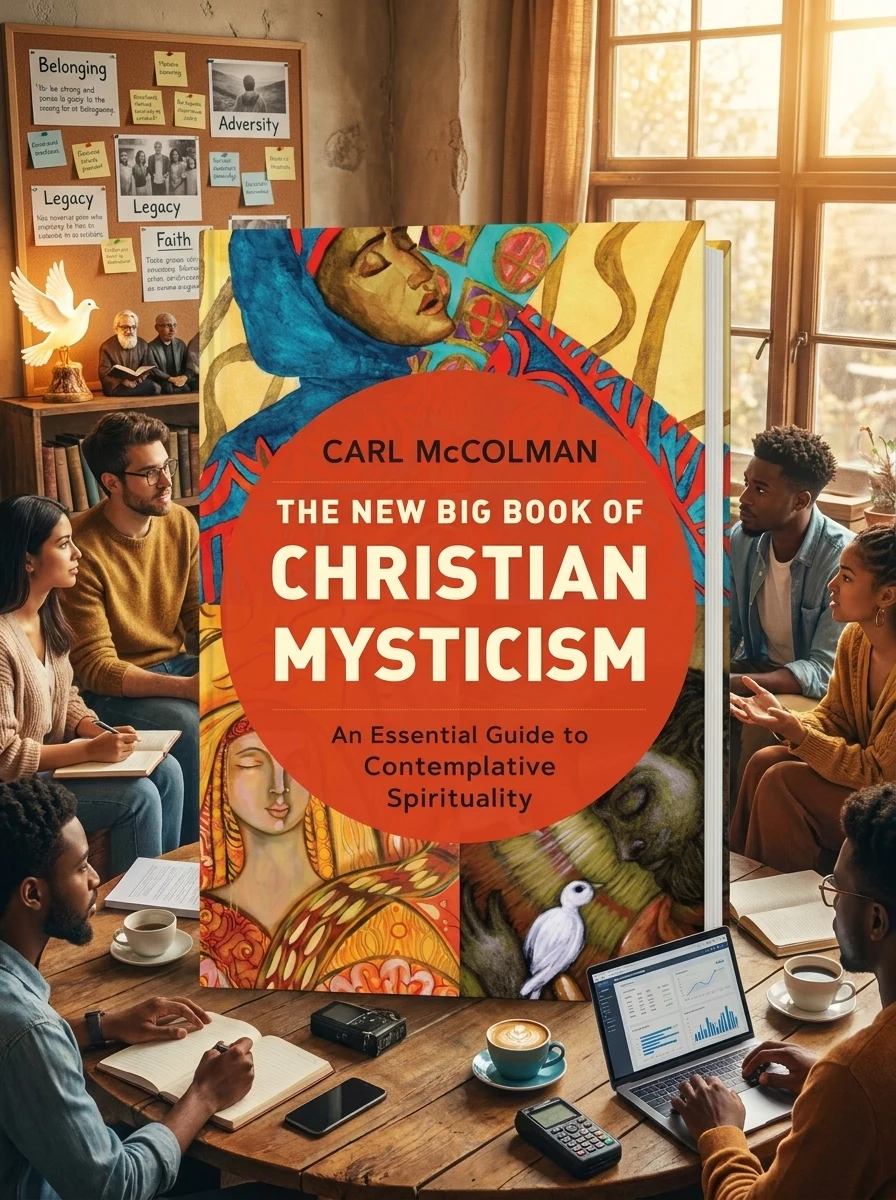
4. The New Big Book of Christian Mysticism: An Essential Guide to Contemplative Spirituality — Carl McColman
The New Big Book of Christian Mysticism provides a comprehensive map of Christian contemplative practice across centuries and denominations. McColman covers prayer, meditation, the role of the body, and the stages of spiritual development within Christian tradition. What becomes clear is that Christian mysticism addresses the same inner work as Sufism and Kabbalah: purification, illumination, and union with the divine. Understanding this tradition deeply helps you recognize its universal principles.
Integrating Tarot and Kabbalah: The Bridge Between Traditions
Tarot serves as a remarkable bridge between the three traditions. Originally emerging from European esoteric circles, Tarot was mapped onto the Kabbalistic Tree of Life, creating a system that could express both Jewish mysticism and Christian Hermeticism. When you learn to read Tarot through a Kabbalistic lens, you're actually practicing a form of cross-tradition mysticism.
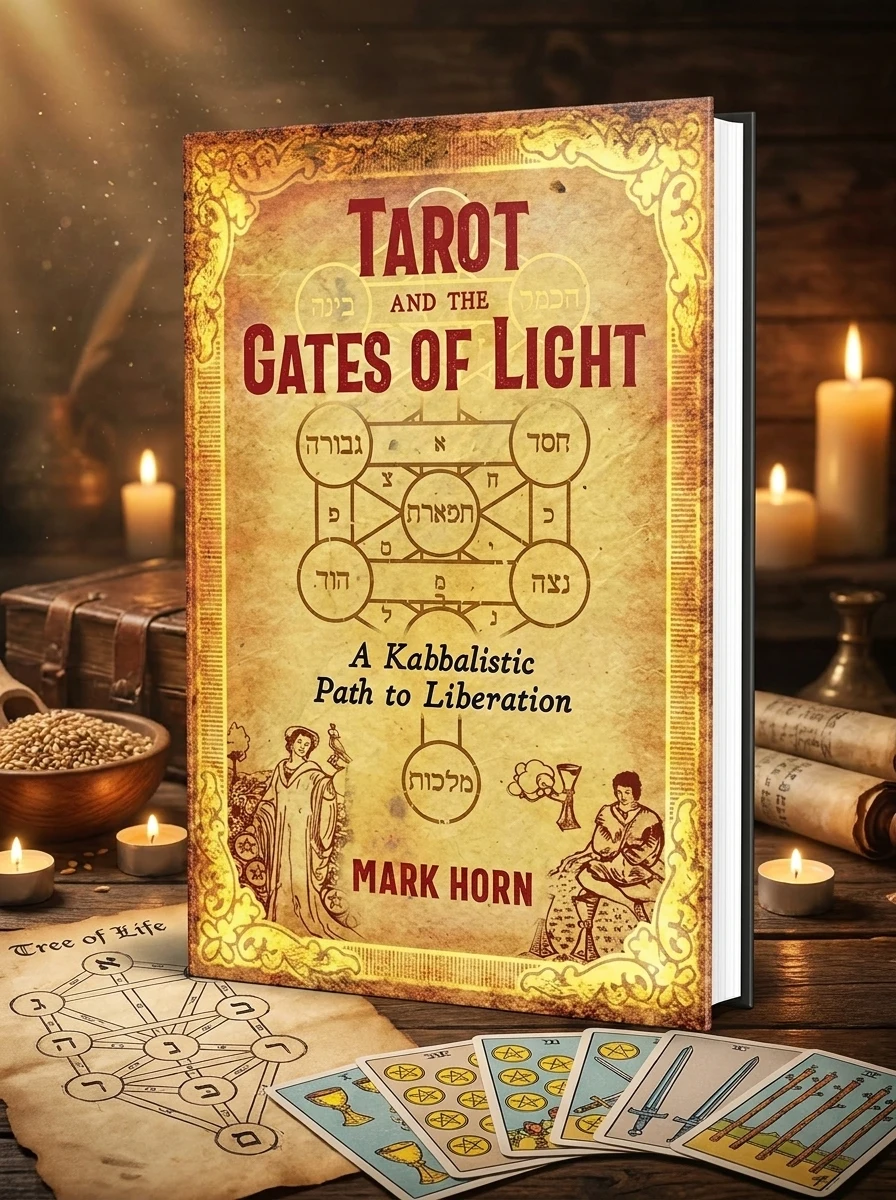
5. Tarot and the Gates of Light: A Kabbalistic Path to Liberation — Mark Horn
Tarot and the Gates of Light presents Tarot as a structured daily spiritual practice rooted in Kabbalistic teaching. Horn shows how each card corresponds to a path on the Tree of Life and offers meditations that deepen your understanding of both systems simultaneously. This is practical mysticism—you're not just reading about the integration of traditions, you're doing the work yourself. The book's approach to consciousness and transformation draws from the same wellspring that feeds Christian and Sufi practice.
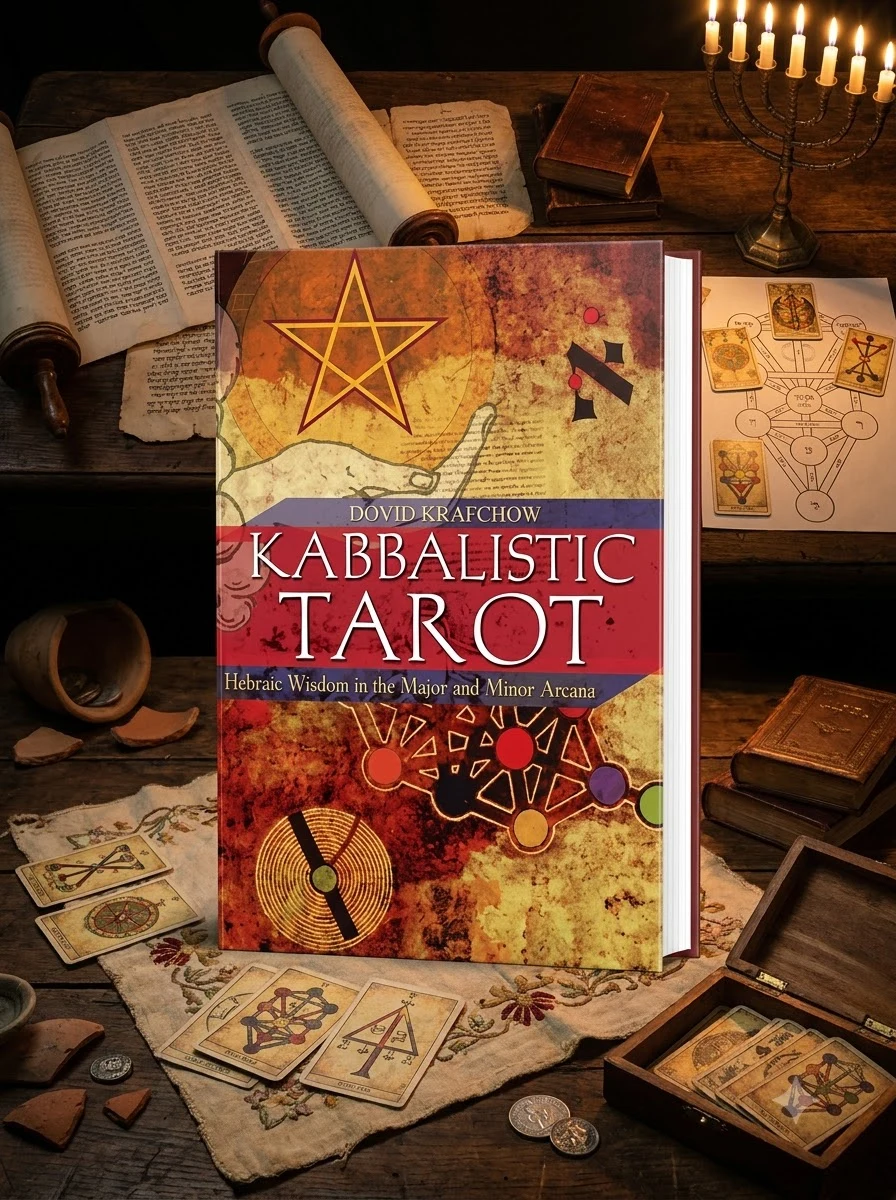
6. Kabbalistic Tarot: Hebraic Wisdom in the Major and Minor Arcana — Dovid Krafchow
Kabbalistic Tarot goes deeper into the Hebrew letters, divine names, and mystical correspondences embedded in the cards. Krafchow's work is for the serious student ready to see how Kabbalah's linguistic and symbolic precision infuses Tarot with layers of meaning. Once you understand these connections, you begin to see how symbolic systems across traditions encode the same truths about consciousness and transformation.
Kabbalah and Cosmology: The Mystical Map of Reality
All three traditions—Christian, Sufi, and Kabbalistic—share a common concern: understanding how the infinite divine relates to finite creation, and where the human soul fits in that relationship. Kabbalistic cosmology provides one of the clearest maps of this relationship, and studying it reveals principles that appear in Christian theology and Sufi metaphysics.
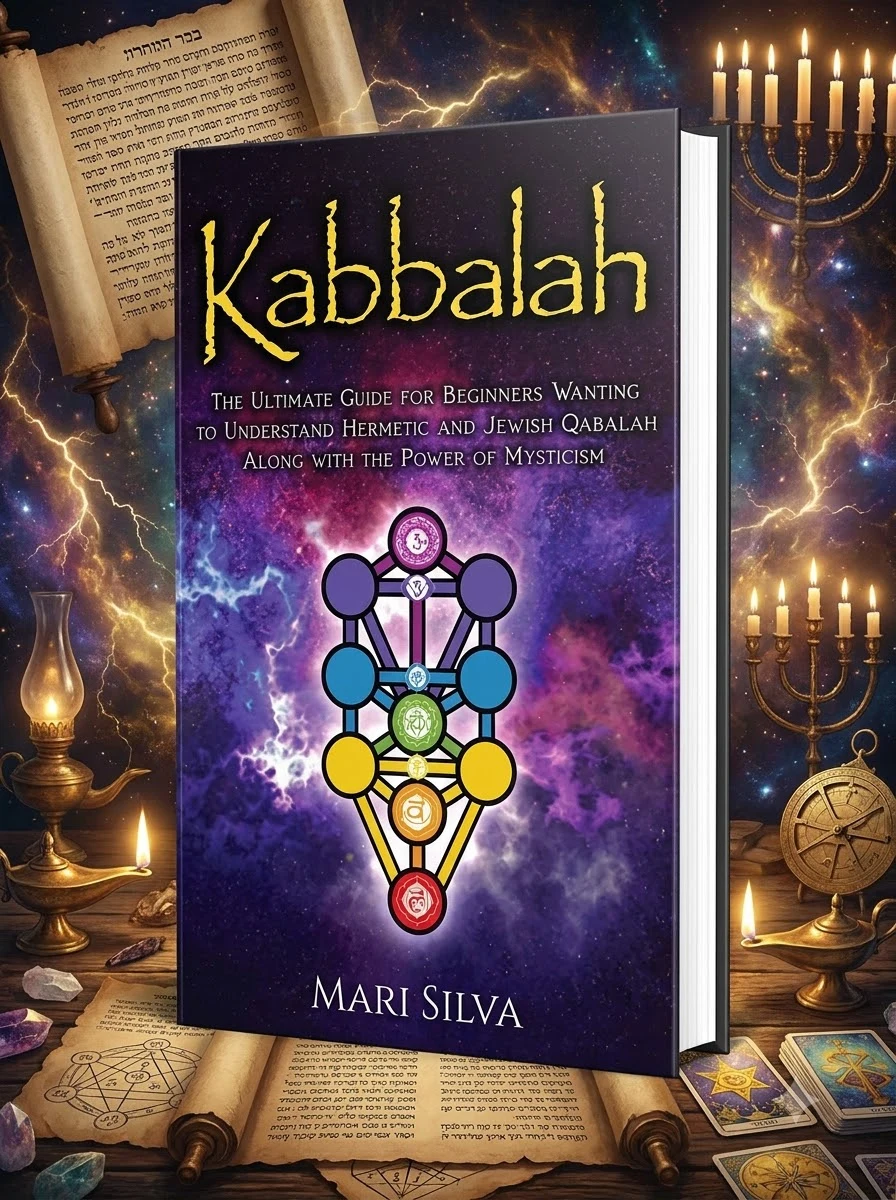
7. Kabbalah: The Ultimate Guide for Beginners — Mari Silva
Kabbalah: The Ultimate Guide for Beginners covers both Jewish and Hermetic Kabbalah, showing how the tradition evolved and how it relates to Western esotericism. Silva's approach is foundational yet thorough, making it ideal for readers new to the material who want to understand the cosmological framework before diving into practice. The book's treatment of how Kabbalah influenced Christian and Islamic esotericism is particularly valuable for cross-tradition study.
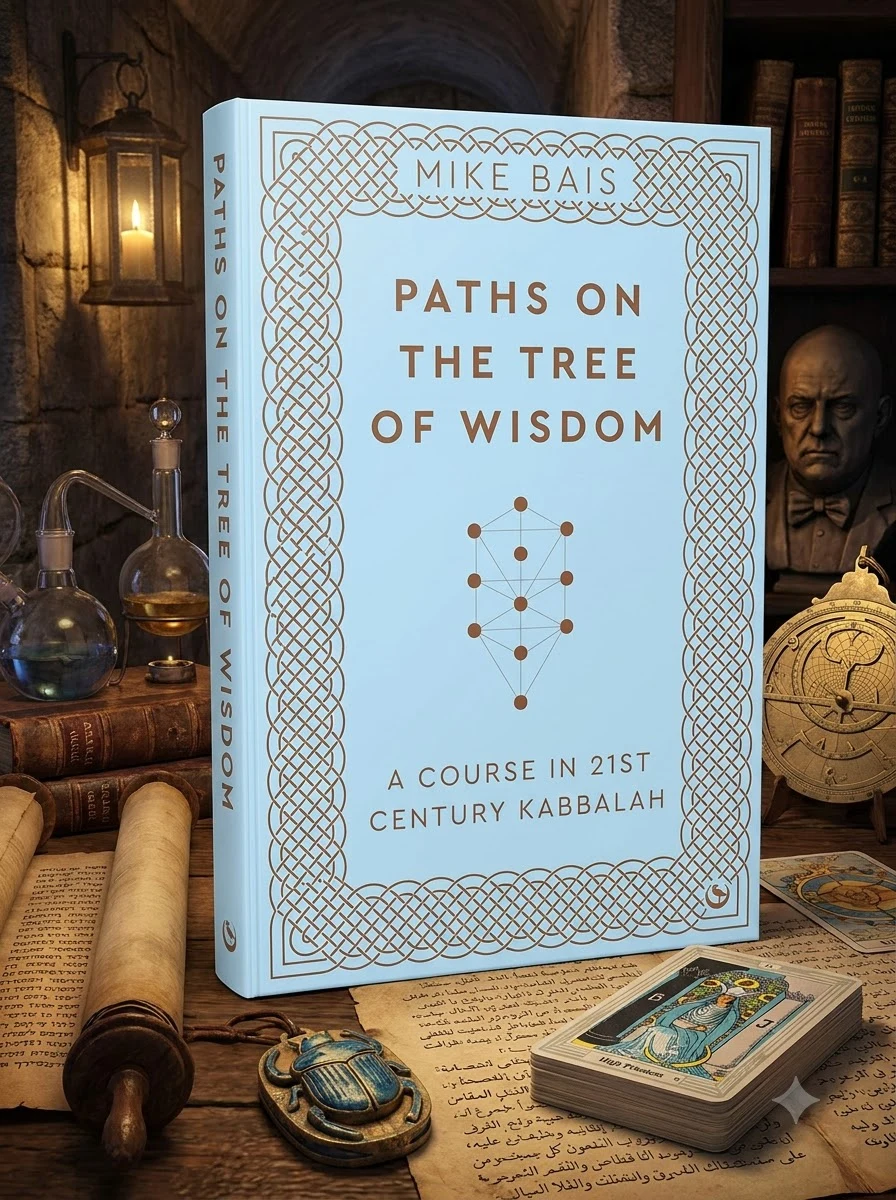
8. Paths on the Tree of Wisdom: A Course in 21st Century Kabbalah — Mike Bais
Paths on the Tree of Wisdom offers a practical course in working with the Tree's paths—the channels of energy and consciousness connecting the spheres. Bais presents Kabbalah as a living system for inner development, not historical artifact. His emphasis on direct experience and personal transformation aligns with how Sufi and Christian mystics approach their own paths: not as intellectual study, but as a way of being.
The Mystical Heart: Consciousness, Energy, and Transformation
At the deepest level, Christian, Sufi, and Kabbalistic mysticism all address the same fundamental work: the transformation of consciousness through alignment with divine reality. Whether you call it awakening, illumination, or union, the process involves purifying the self, opening the heart, and experiencing direct contact with the sacred.
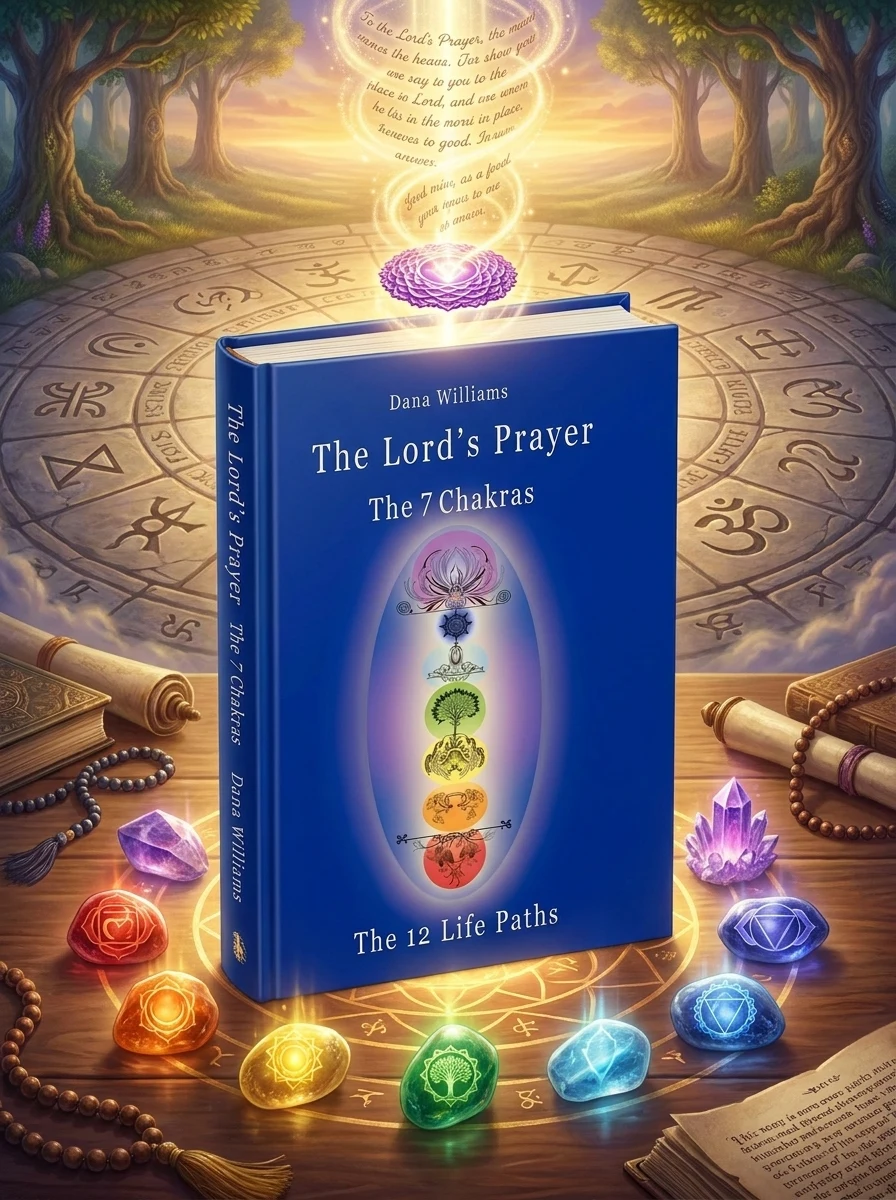
9. The Lord's Prayer, the Seven Chakras, the Twelve Life Paths — Dana Williams
The Lord's Prayer, the Seven Chakras, the Twelve Life Paths explicitly bridges Eastern and Western mysticism by showing how Christ's central prayer aligns with chakra work and Kabbalistic paths. Williams demonstrates that the energy systems described in yoga and Tantra are not foreign to Christian mysticism—they're simply expressed in different language. This book embodies the cross-tradition approach: it shows that the map of inner transformation is universal, even when the symbols differ.
Choosing Your Path Forward
If you're new to this material, start with The Kabbalistic Tree of Life and The New Big Book of Christian Mysticism. These two books give you the foundational frameworks of two of the three traditions and show how they address the same questions. From there, move into the Tarot-based works—Meditations on the Tarot is particularly powerful because it shows these traditions in active dialogue.
If you're already familiar with one tradition and want to deepen your cross-tradition understanding, choose based on your gaps. A Christian practitioner might begin with Kabbalah: The Ultimate Guide for Beginners. Someone with Kabbalistic training might explore The Lord's Prayer, the Seven Chakras, the Twelve Life Paths to see how Christian prayer and energy work intersect.
The real power of cross-tradition mysticism lies not in collecting knowledge, but in recognizing the unity beneath diversity. Each book here is a mirror reflecting the same light from a different angle. As you read, you'll begin to see that the Christian mystic's union with Christ, the Sufi's annihilation in divine love, and the Kabbalist's ascent of the Tree all describe the same transformation of consciousness. That recognition—that the paths are many but the destination is one—is where genuine mystical understanding begins.