
About the author
Rajneesh (born Chandra Mohan Jain; 11 December 1931 – 19 January 1990), also known as Bhagwan Shree Rajneesh, Acharya Rajneesh, and commonly known as Osho (Hindi: [ˈoːʃoː]), was an Indian godman, philosopher, mystic, and founder of the Rajneesh movement. He was a controversial new religious movement leader during his life. He rejected institutional religions, insisting that spiritual experience could not be organized into any one system of religious dogma. As a guru, he advocated meditation and taught a unique form called dynamic meditation. Rejecting traditional ascetic practices, he encouraged his followers to embrace life fully while remaining unattached to worldly desires. Rajneesh said he experienced a spiritual awakening in 1953 at the age of 21. Following several years in academia, in 1966 Rajneesh resigned his post at the University of Jabalpur as a lecturer in philosophy, and began traveling throughout India, becoming known for his criticism of the orthodoxy of mainstream religions, as well as of mainstream political ideologies and of Mahatma Gandhi. In 1970, Rajneesh spent time in Mumbai initiating followers referred to as "neo-sannyasins".
📖 Where to start with Osho
💬 What our editors say about Osho's books
“Osho delivers a fierce, uncompromising challenge to the status quo, stripping away comfort to reveal existential truth. While intellectually stimulating for seekers of radical clarity, it may alienate readers attached to…”
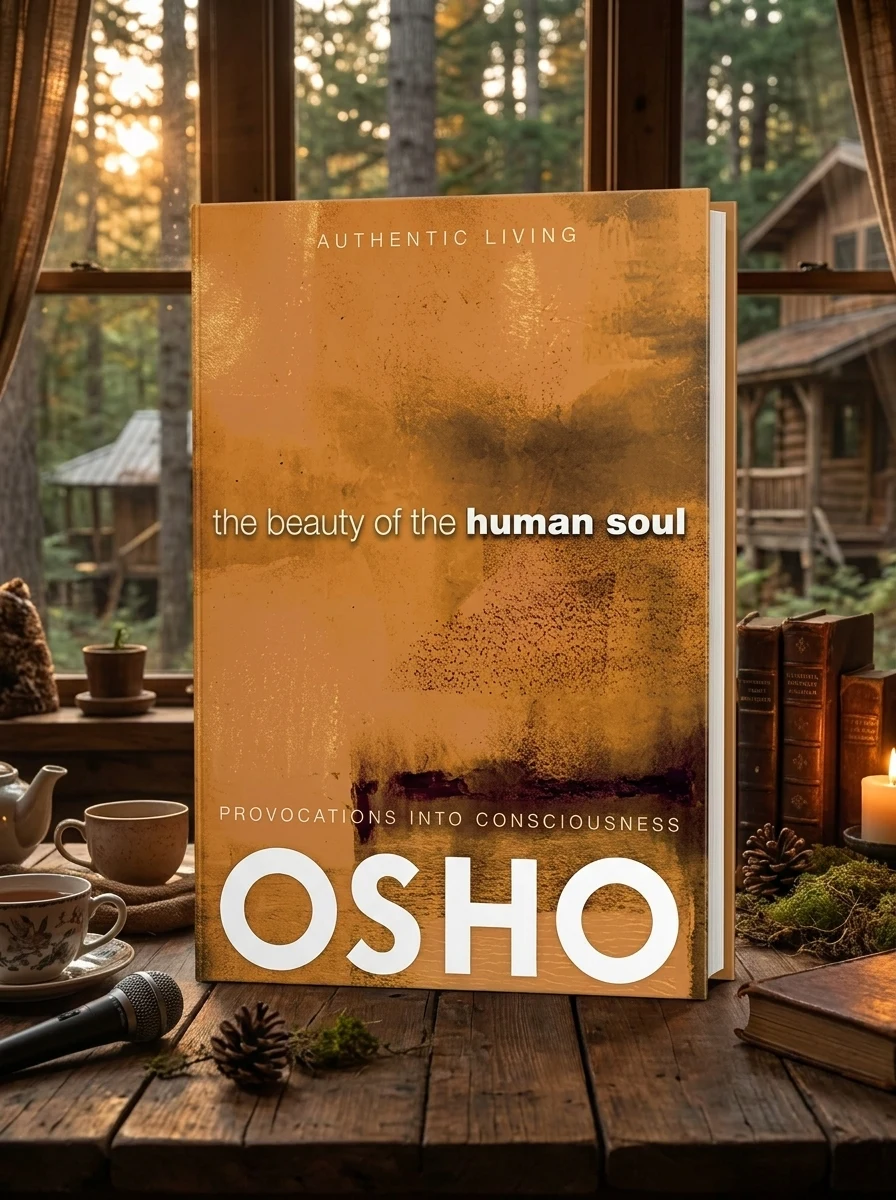
Esoterica Books editorial team, Occult literature desk · on The Beauty of the Human Soul: Provocations Into Consciousness - PGW Osho
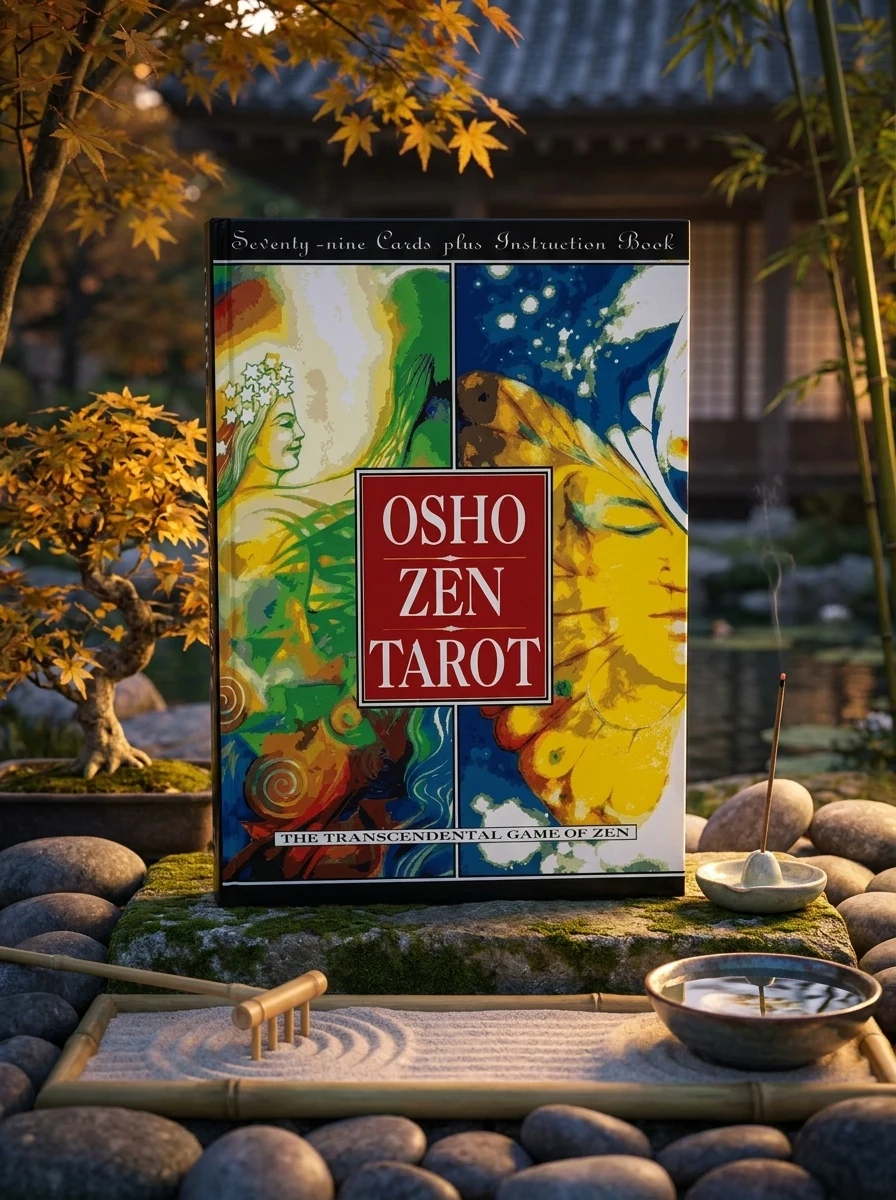
“This title successfully subverts traditional tarot expectations by prioritizing mindfulness over prediction. The integration of Zen wisdom with accessible contemporary imagery creates a unique, calming experience that resonates…”
Esoterica Books editorial team, Occult literature desk · on Osho Zen Tarot: The Transcendental Game of Zen
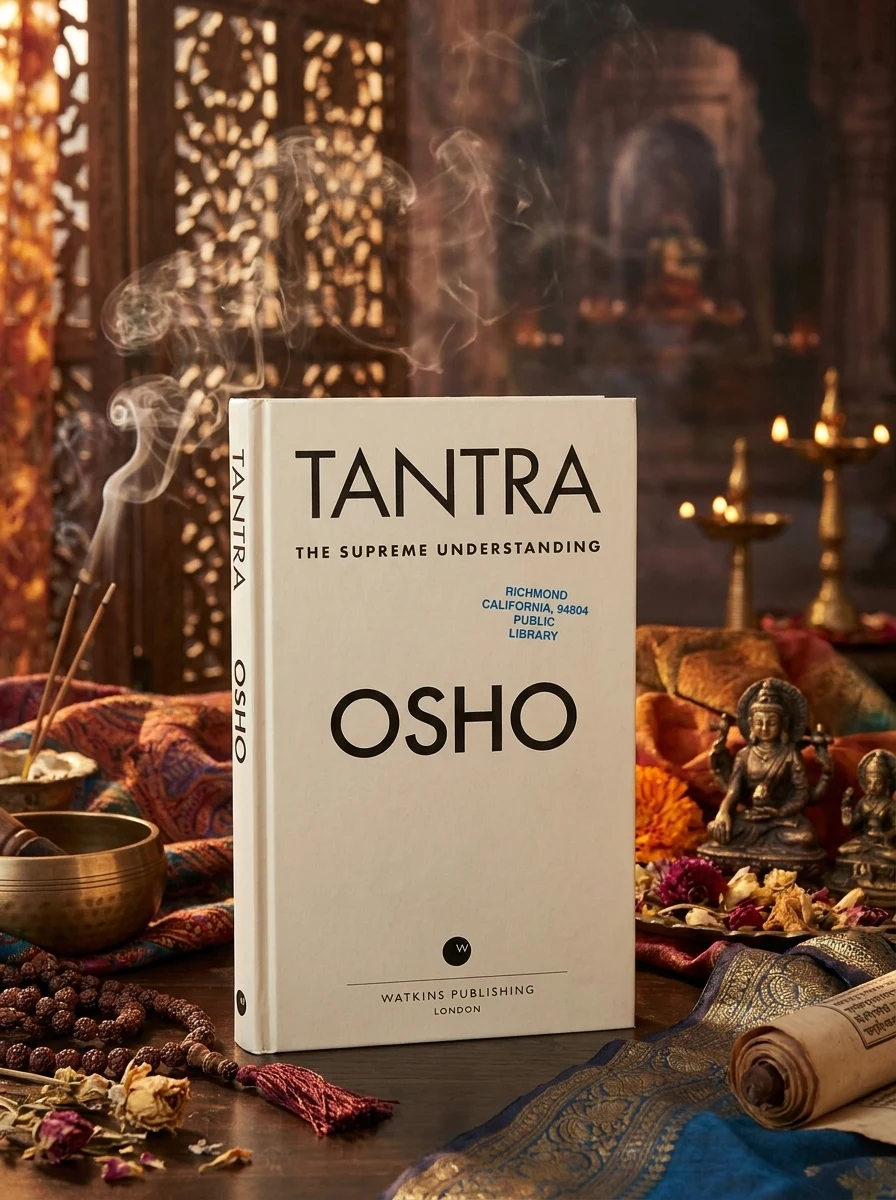
“Osho presents Tantra not as rigid ritual but as a dynamic path to liberation, shedding societal conditioning for direct experiential encounters with consciousness. While the vision of profound freedom is compelling for…”
Esoterica Books editorial team, Occult literature desk · on Tantra: The Supreme Understanding