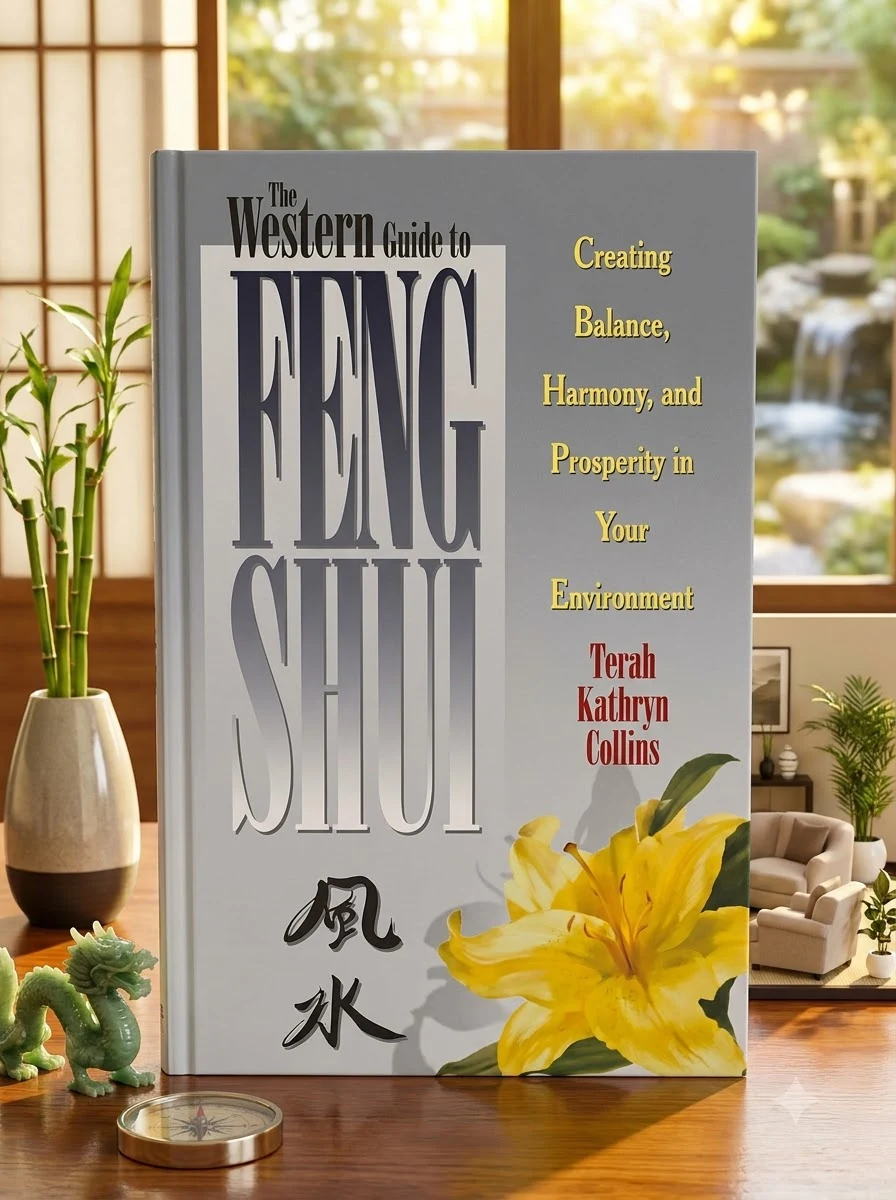
Western Guide to Feng Shui
✍️ Collins, Terah KathrynA practical manual adapting ancient Chinese environmental principles for modern Western homes and lifestyles.
Collins translates traditional Feng Shui theory into accessible advice for contemporary life. The book focuses on the application of energy flow within physical spaces, specifically targeting the needs of Western readers. It covers foundational concepts and their direct implementation in residential and professional settings. The author qualifies herself by addressing the perceived gap between ancient wisdom and modern practicality. The text avoids complex metaphysical debates, instead offering a straightforward guide for those wishing to align their environment with natural forces. This approach makes the subject matter tangible and immediate for the average reader.
This 1996 publication by Hay House addresses the intersection of ancient Chinese metaphysical traditions and modern Western domestic life. It reflects a period when Eastern spiritual practices were gaining traction in American alternative spirituality circles, seeking to bridge cultural divides through practical application rather than academic study.


📝 Description: Western Guide to Feng Shui
💎 Expert review
📖 Why choose it
Why this book is worth reading
Readers seeking to harmonize their living spaces without navigating complex cultural barriers will find immense value in this practical guide. It is ideal for the modern Westerner who desires balance and positive energy flow but feels intimidated by traditional Feng Shui nuances. The book empowers individuals to apply universal energy concepts to contemporary architecture, making it perfect for those wanting tangible results in their homes. If you wish to transform your environment to support your personal life using timeless wisdom adapted for today’s context, this accessible approach offers a welcoming entry point into esoteric environmental design.
⭐ Reader reviews
Reader rating
Collins successfully demystifies Feng Shui by stripping away cultural specificity to focus on universal energy principles, making it highly usable for Western readers. However, practitioners seeking deep traditional authenticity or rigorous academic study may find the content too simplified or culturally detached. It is not suited for those interested in historical lineage or complex astrological calculations. Instead, it serves as a functional primer for beginners who prioritize practical application over doctrinal purity. The tone is encouraging and accessible, though it lacks the depth required for advanced esoteric scholars. It remains a solid resource for casual seekers looking to improve their home's atmosphere without committing to extensive study.
❓ Frequently asked questions
📖 Who should read this
If you're seeking to imbue your living or working spaces with greater balance and positive energy, but find traditional Feng Shui daunting, this guide is for you. It's perfect for embracing ancient wisdom through a practical, modern, and culturally sensitive lens.
🎯 Key themes and symbolism
Adapting Ancient Wisdom
Collins skillfully bridges the gap between traditional Chinese Feng Shui and the modern Western home. She distills core principles, eliminating cultural specificities that might hinder understanding for a Western audience, focusing instead on universal spatial energy concepts. This adaptation ensures the guidance is immediately applicable to typical Western residences and workplaces.
Practical Home Harmony
The book offers clear, actionable steps for improving the energy flow within any space. Readers are guided through identifying areas of imbalance and implementing simple, effective adjustments. From furniture placement to color choices, Collins provides a user-friendly framework for creating environments that support well-being, productivity, and overall life satisfaction.
Modern Life Relevance
Despite its centuries-old origins, Feng Shui's insights into environment and well-being remain strikingly pertinent today. Collins demonstrates how these principles can address contemporary challenges, offering tools to reduce stress, enhance focus, and cultivate positive relationships through intentional spatial design. It underscores the belief that our surroundings deeply influence our inner states and outer experiences.
📜 Historical context
📚 Glossary
- Feng Shui
- Qi (Chi)
- Bagua
📔 Questions to reflect on
- Reflect on one area of your home that feels stagnant or challenging. How might its current arrangement reflect an area of your life you wish to improve?
- Considering the concept of 'qi,' where in your home do you feel energy flows freely, and where does it feel blocked? What minor adjustment could you make?
- If your home could speak, what story would it tell about your aspirations and intentions? How can you consciously reshape that narrative through design?
📖 Read on the blog
📖 From the series “Feng Shui”
All books in the series →


✍️ More books by this author Collins, Terah Kathryn
All books by this author →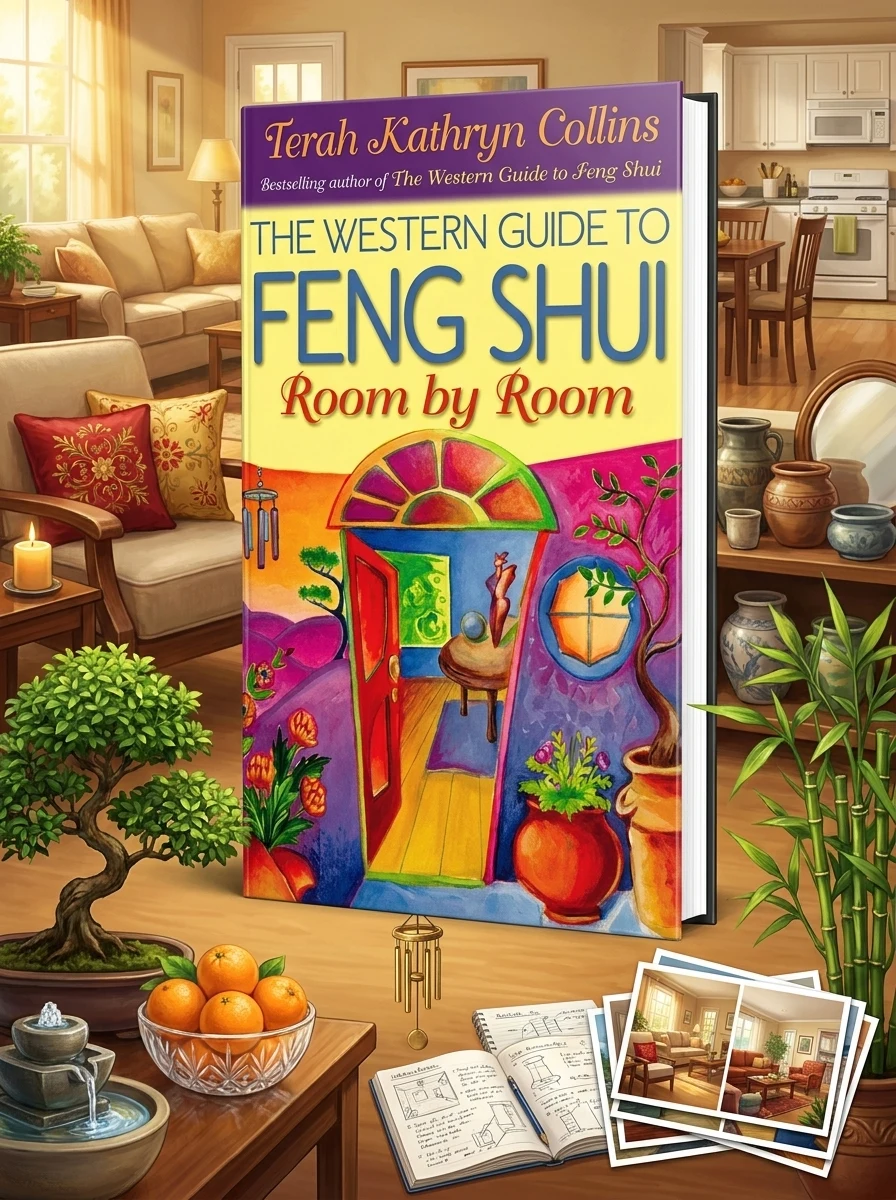
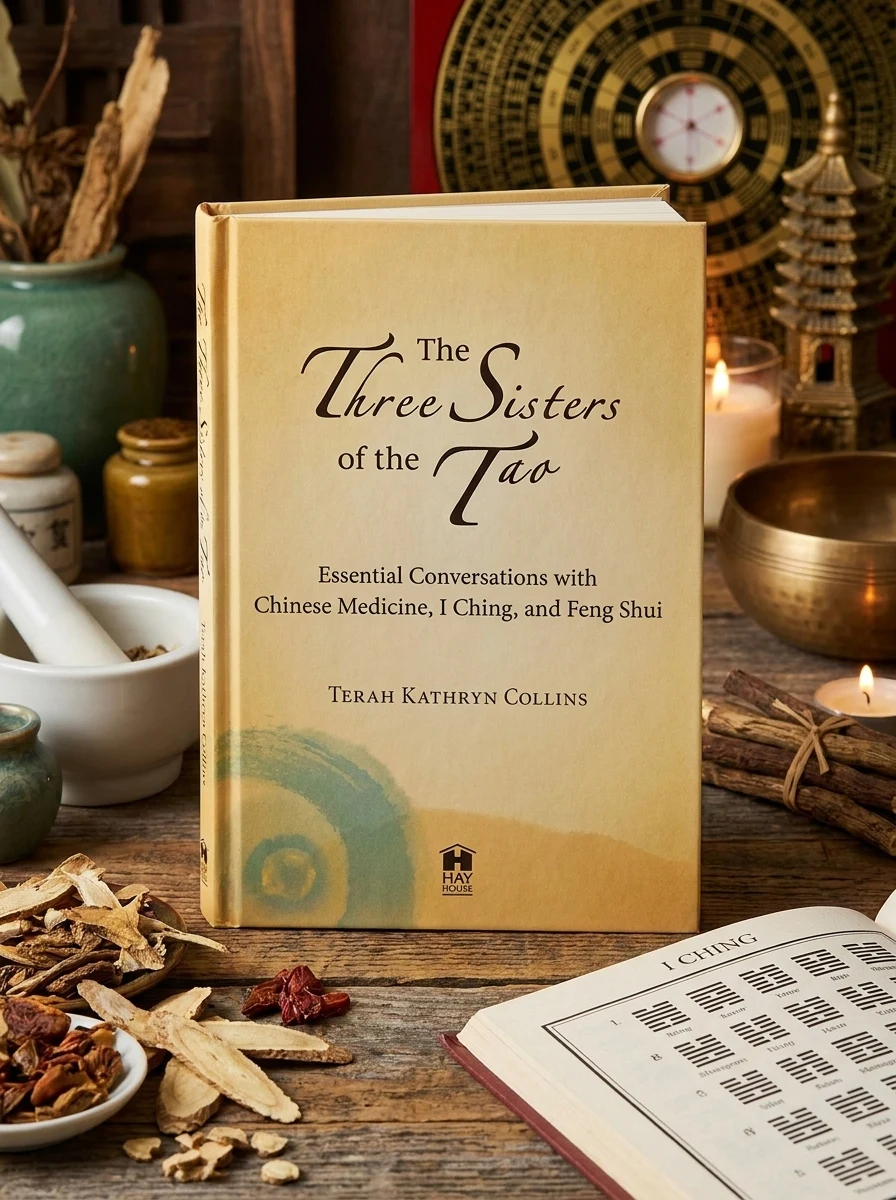
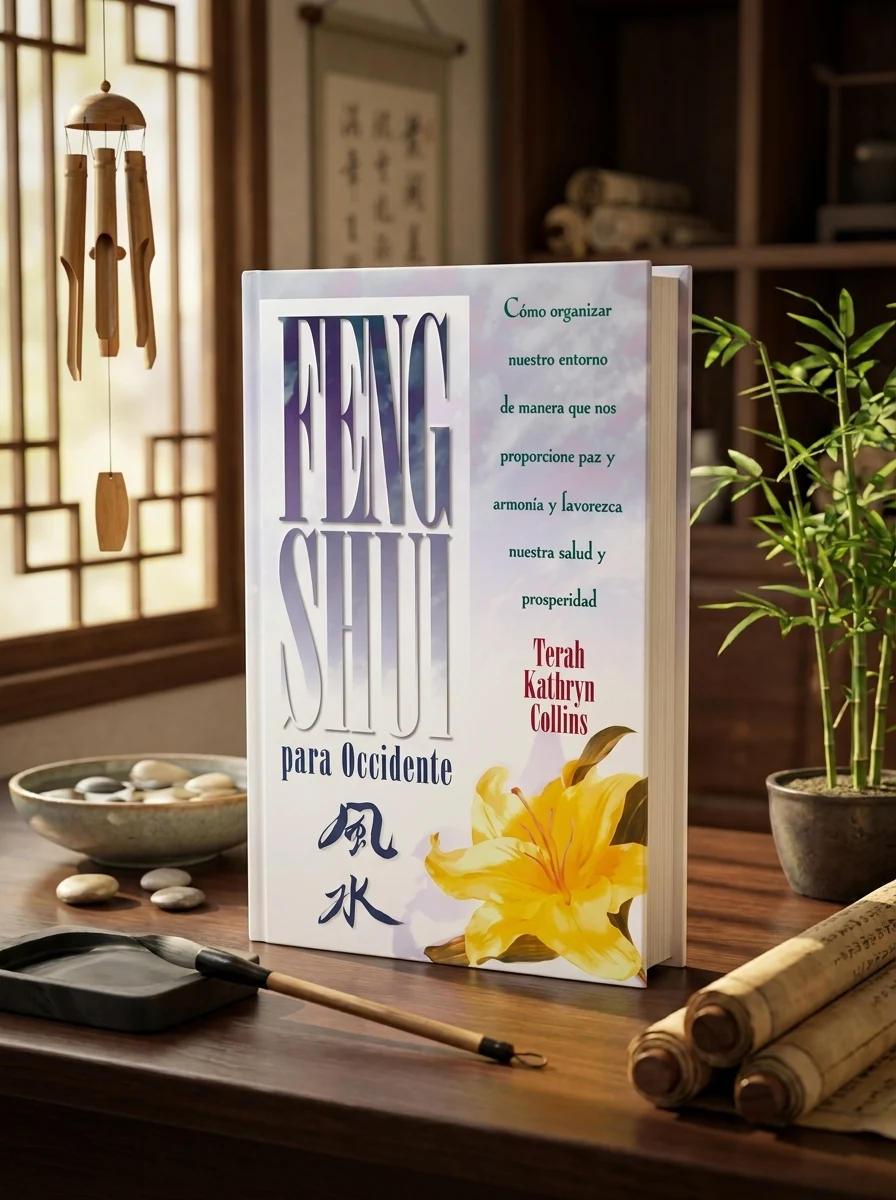
🏛 Books from this publisher Hay House
All books from this publisher →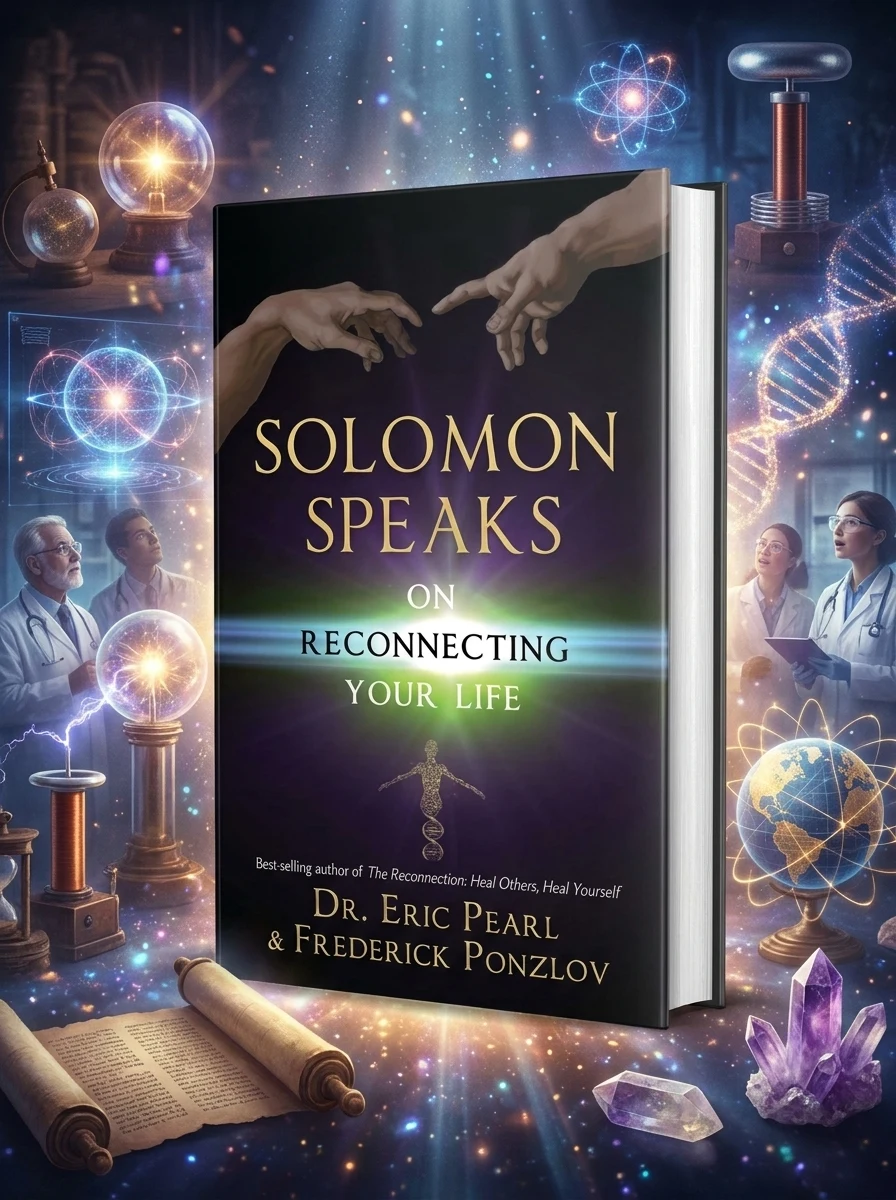





You might also like
See more →


Have a question about this item?
Ask about the edition, condition, delivery or anything else — we reply by email or phone, usually within a day.
