The Science of Getting Rich
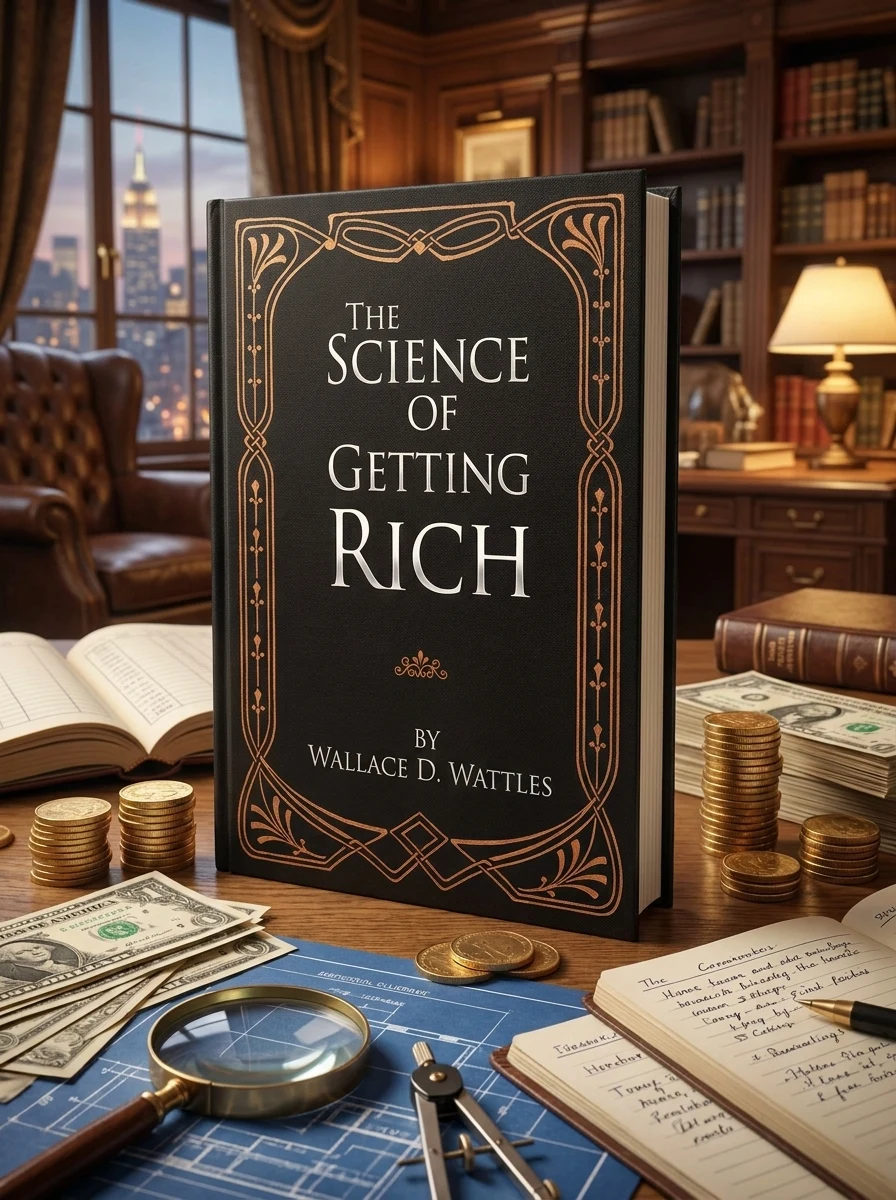
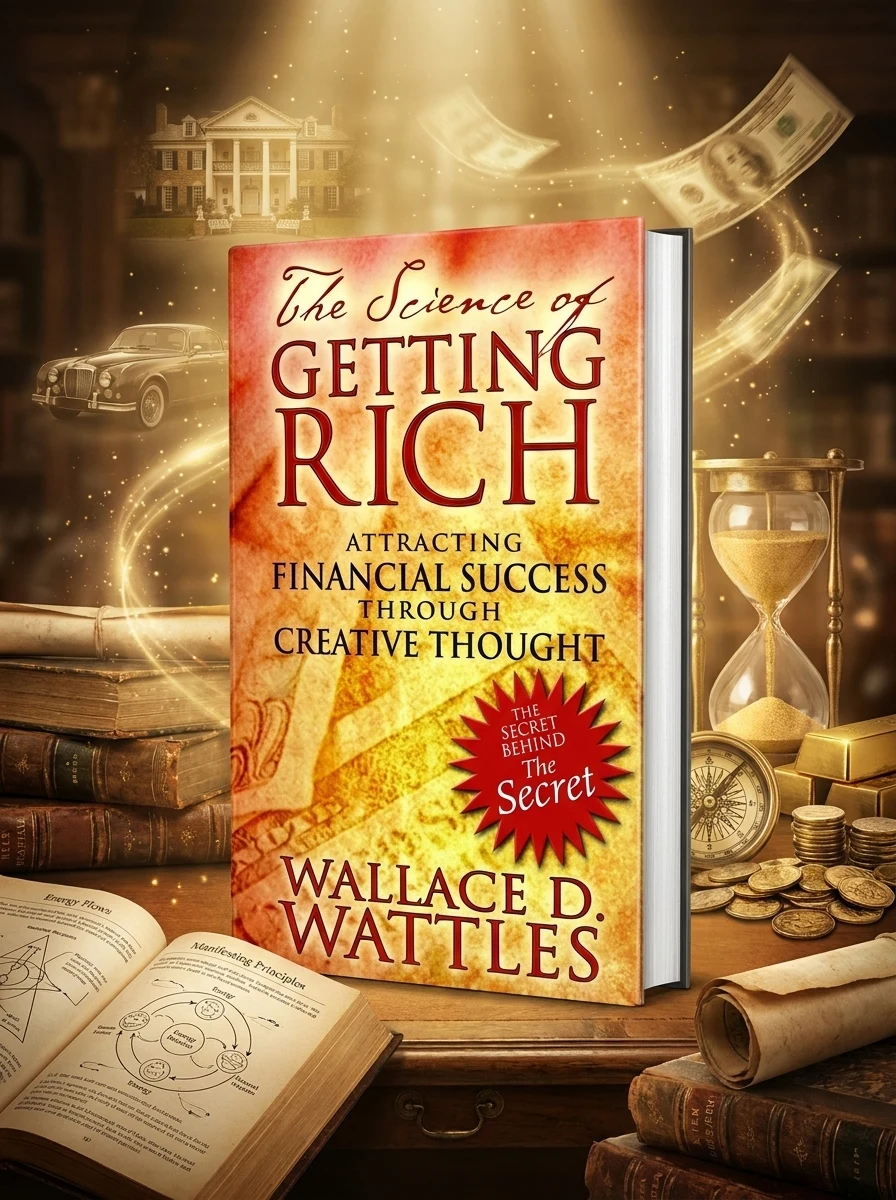
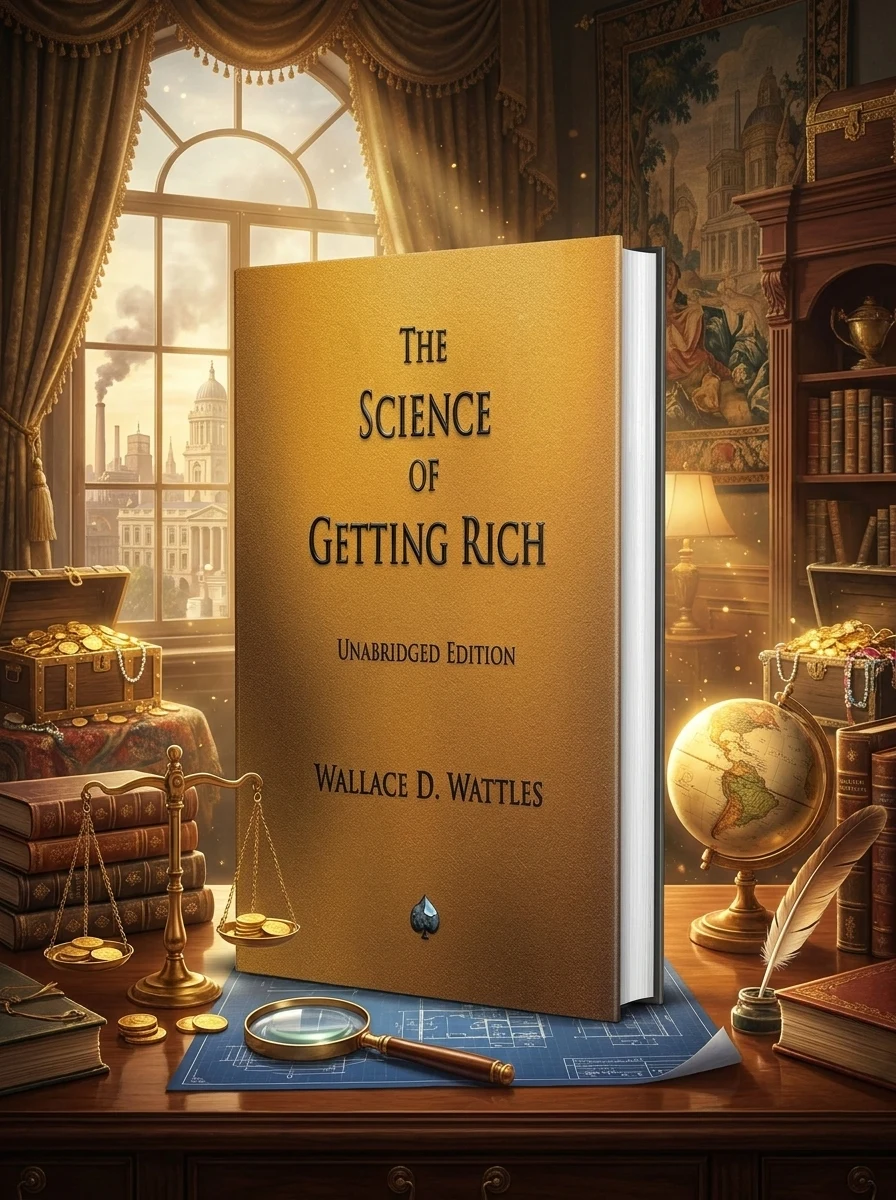
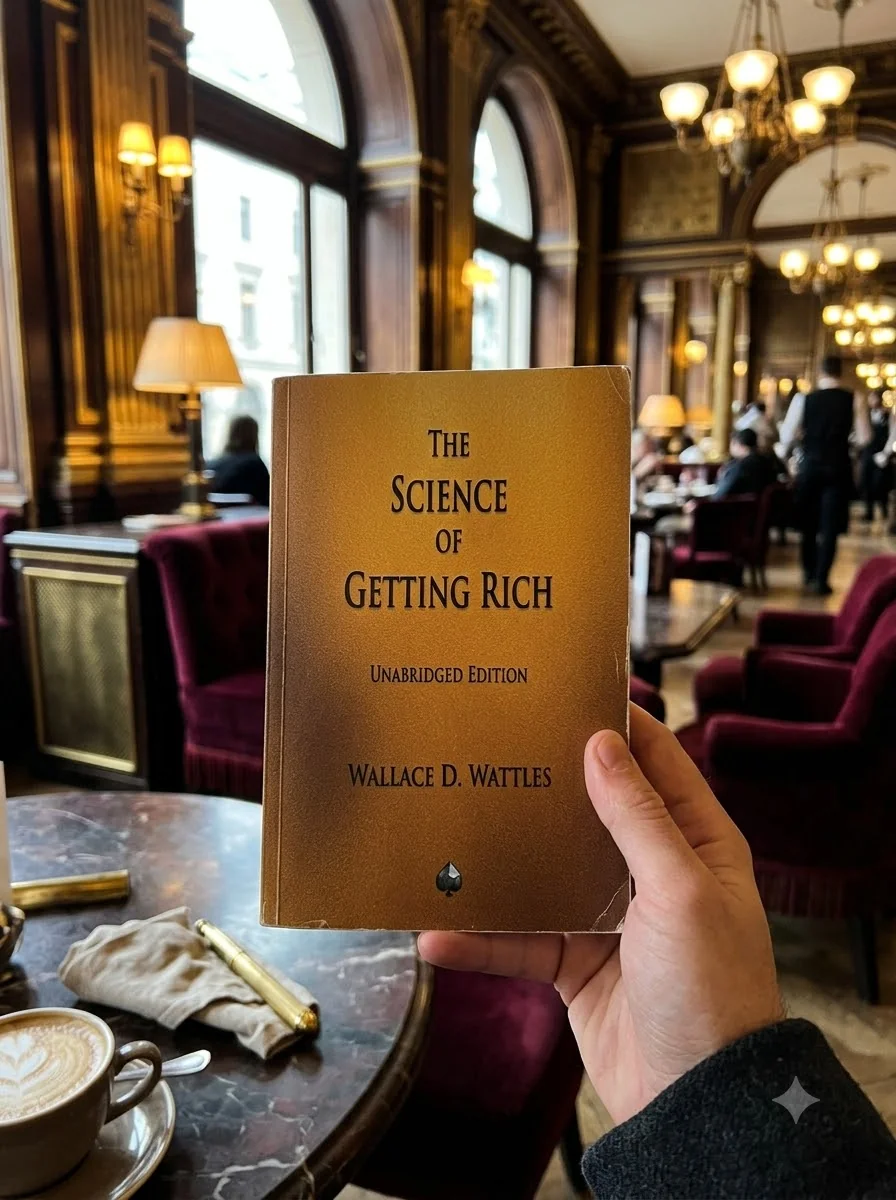
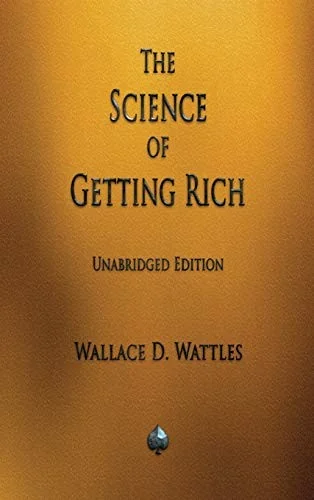
✍️ Wattles, Wallace DThis unabridged Merchant Books hardcover reproduces Wallace D. Wattles' 1910 treatise on wealth creation, preserving all original chapters and footnotes. The text approaches personal finance and money management through the lens of New Thought philosophy. Wattles outlines specific mental attitudes and physical habits necessary to attract abundance, covering topics from gratitude and efficient action to selecting the appropriate trade. The publication provides a complete historical reference for those studying early twentieth-century self-help literature.
📝 Description: The Science of Getting Rich
💎 Expert review
📖 Why choose it
Why this book is worth reading
This book is ideal for seekers who feel stuck in a cycle of financial scarcity and are eager to explore the intersection of mindset and material reality. If you are drawn to the idea that thoughts possess creative power, this text offers a structured roadmap rather than vague inspiration. It appeals to those willing to practice gratitude and decisive action as spiritual disciplines. Readers seeking a clear, actionable framework for abundance will find comfort in its logical progression from internal belief to external manifestation. It is perfect for anyone ready to shift their perspective on wealth from a matter of luck to one of conscious creation.
⭐ Reader reviews
Reader rating
Wattles provides a systematic approach to prosperity that feels refreshingly direct compared to more esoteric occult texts. However, this very practicality limits its appeal for those seeking deep metaphysical complexity or skeptical readers who reject the premise that thought alone dictates material outcomes. It is not suitable for individuals who prefer rigorous economic analysis over spiritual methodology. The tone is optimistic to a fault, which may feel naive to cynics. Yet, for believers in the New Thought tradition, it remains an essential, coherent guide to aligning one’s mental state with universal creative forces.
❓ Frequently asked questions
📖 Who should read this
If you are a seeker exploring the intersection of spirituality, personal development, and financial success, this book offers a timeless perspective. It's for those ready to embrace a disciplined mental approach and take inspired action towards manifesting their desired prosperity, rather than waiting for external opportunities.
🎯 Key themes and symbolism
Mindset for Wealth Creation
Wattles firmly believes that a specific mental attitude is paramount for acquiring riches. He outlines how sustained, purposeful thought, combined with an unwavering belief in one's capacity to create, directly influences the manifestation of desired outcomes. This isn't merely positive thinking, but a focused, scientific application of mental power.
The Power of Gratitude
The author emphasizes gratitude not just as a pleasant emotion, but as an active force. By cultivating sincere thankfulness for what one already possesses and for what is yet to come, individuals establish a harmonious connection with the universal 'Formless Substance,' thereby accelerating the flow of abundance into their lives.
Intentional, Ethical Action
While mental work is crucial, Wattles insists it must be coupled with physical action. He introduces the concept of acting in a "Certain Way" — purposeful, efficient, and always with the intention of giving more in value than is received. This ensures not only personal gain but also contributes to the overall advancement of humanity.
📜 Historical context
📚 Glossary
- The Certain Way
- Formless Substance
- Advancing Man
📔 Questions to reflect on
- Reflect on a past goal you achieved. How did your thoughts and actions align (or misalign) with Wattles' 'Certain Way'?
- Consider an area of your life where you desire more abundance. How might cultivating more sincere gratitude for what you already have in that area shift your perspective and potential outcomes?
- What specific, purposeful actions can you commit to taking this week that align with your vision of wealth, ensuring you give more in value than you receive?