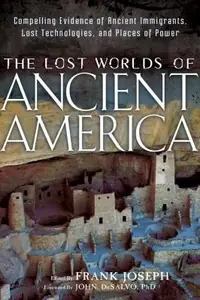
The Lost Worlds of Ancient America: Compelling Evidence of Ancient Immigrants, Lost Technologies, and Places of Power
This edition can be ordered. No arrival date is confirmed.
What if history's most sacred timelines are profoundly mistaken about ancient America?
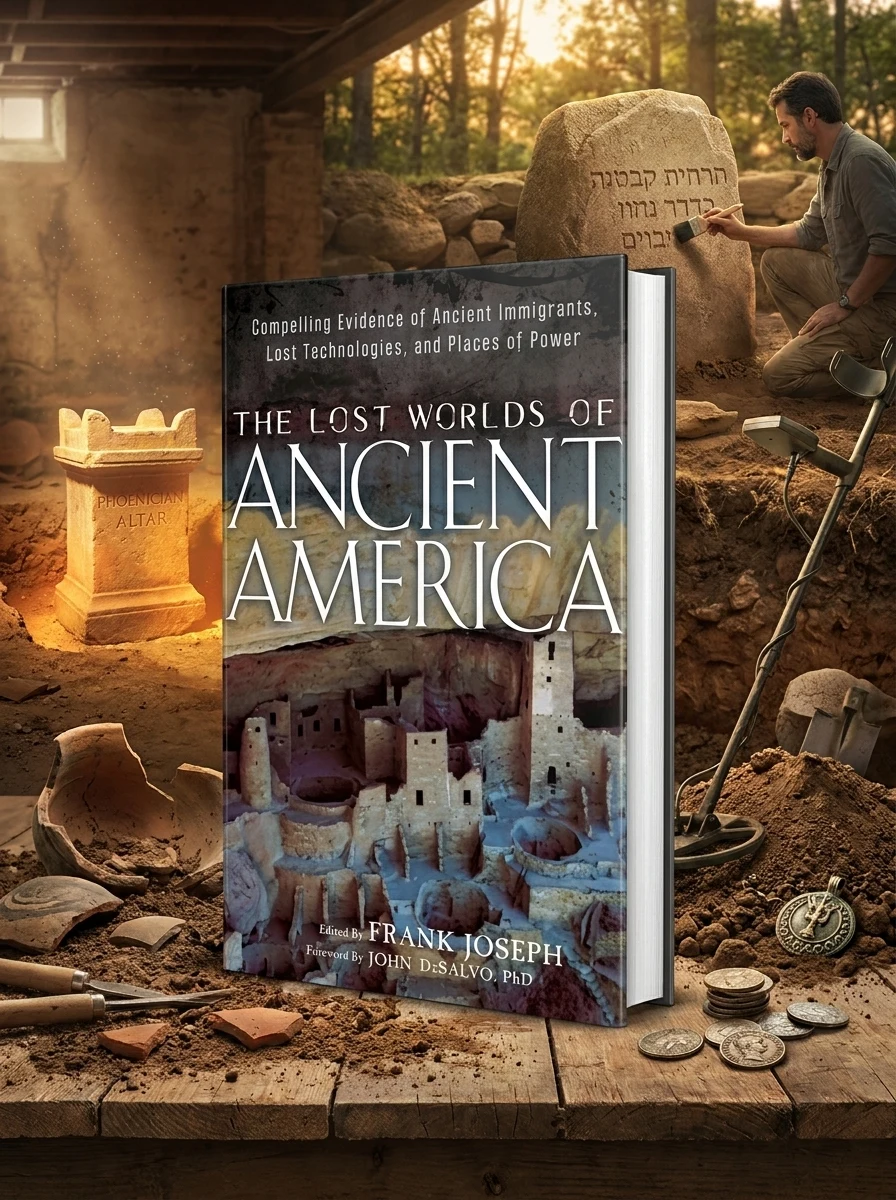
This captivating volume challenges conventional narratives of American history, presenting compelling evidence that ancient civilizations from Europe and the Near East reached the continent long before 1492. From a Phoenician altar unearthed in Los Angeles to Roman coins found along the Ohio River, and a Hebrew inscription in Tennessee, the collection showcases a series of extraordinary archaeological discoveries. These intriguing artifacts suggest a vibrant, pre-Columbian exchange, urging us to reconsider established timelines and the true origins of American cultures. It's a provocative exploration that seeks to rewrite the foundational stories of the New World.
This work sits firmly within the fringe archaeology and alternative history traditions, challenging mainstream academic consensus regarding pre-Columbian transoceanic contact. It aligns with esoteric inquiries that seek hidden narratives in ancient American civilizations.


📝 Description: The Lost Worlds of Ancient America: Compelling Evidence of Ancient Immigrants, Lost Technologies, and Places of Power
💎 Expert review
📖 Why choose it
Why this book is worth reading
This book is ideal for curious minds who feel constrained by traditional historical narratives and seek alternative explanations for ancient American cultures. Readers fascinated by archaeological anomalies, such as Phoenician altars or Roman coins found in unexpected locations, will find the evidence compelling and thought-provoking. It offers a refreshing departure from standard textbooks, inviting exploration of vibrant pre-Columbian exchanges that mainstream history often overlooks. If you enjoy questioning established timelines and discovering extraordinary artifacts that suggest global ancient connections, this volume provides an engaging and provocative journey into the mysterious origins of the New World.
⭐ Reader reviews
Reader rating
While the narrative is captivating for those open to unconventional theories, it may frustrate readers seeking rigorous academic peer review or strict archaeological methodology. Skeptics grounded in conventional historiography might find the presentation of Phoenician and Roman artifacts as definitive proof of ancient immigration overly speculative rather than evidentiary. The book excels at sparking imagination but lacks the critical distance required for objective historical analysis. It is best suited for enthusiasts of alternative history who appreciate bold assertions over nuanced, consensus-driven scholarship. Those preferring strictly documented mainstream archaeology should approach with caution.
❓ Frequently asked questions
📖 Who should read this
If you question established historical narratives and are drawn to ancient enigmas, this volume offers a profound re-examination of American antiquity. Perfect for those seeking compelling evidence of pre-Columbian visitors, it invites you to explore a different foundational story.
🎯 Key themes and symbolism
Pre-Columbian Global Connections
This work meticulously gathers archaeological anomalies suggesting extensive maritime contact between ancient Europe, the Near East, and North America. It spotlights artifacts like Phoenician altars and Roman coinage, proposing that diverse cultures influenced the continent centuries, even millennia, before Columbus's voyages, thereby dismantling isolationist historical perspectives.
Challenging Historical Dogma
The book directly confronts the prevailing academic consensus on American origins, presenting evidence that compels a re-evaluation of established timelines and cultural development. It encourages readers to question mainstream narratives, inviting an open-minded exploration of alternative historical possibilities that could reshape our understanding of the past.
Unearthing Hidden Histories
By highlighting specific, often overlooked archaeological discoveries—such as a Hebrew inscription found in a Native American mound—the volume seeks to bring forgotten or suppressed historical accounts to light. It argues that these artifacts are not mere curiosities but crucial keys to unlocking a deeper, more complex understanding of ancient America.
💬 Quotes from the book
“The persistent discovery of anomalies, from ancient coins to ceremonial altars, demands a re-evaluation of every accepted timeline regarding pre-Columbian America.”
“To dismiss these artifacts as mere curiosities is to ignore a powerful narrative suggesting sophisticated transoceanic connections millennia before conventional discovery.”
📜 Historical context
📚 Glossary
- Pre-Columbian
- Diffusionism
- Phoenician
📔 Questions to reflect on
- How might a revised understanding of ancient American history, incorporating pre-Columbian visitors, impact our perception of modern global connections and cultural exchange?
- What cultural or academic biases might lead mainstream archaeology to overlook or dismiss the kind of evidence presented in this book? Reflect on the nature of historical consensus.
- If advanced ancient visitors were present in the Americas, what implications does this have for the independent development and achievements of indigenous societies?
🏛 Books from this publisher New Page Books
All books from this publisher →




You might also like
See more →

 91
91