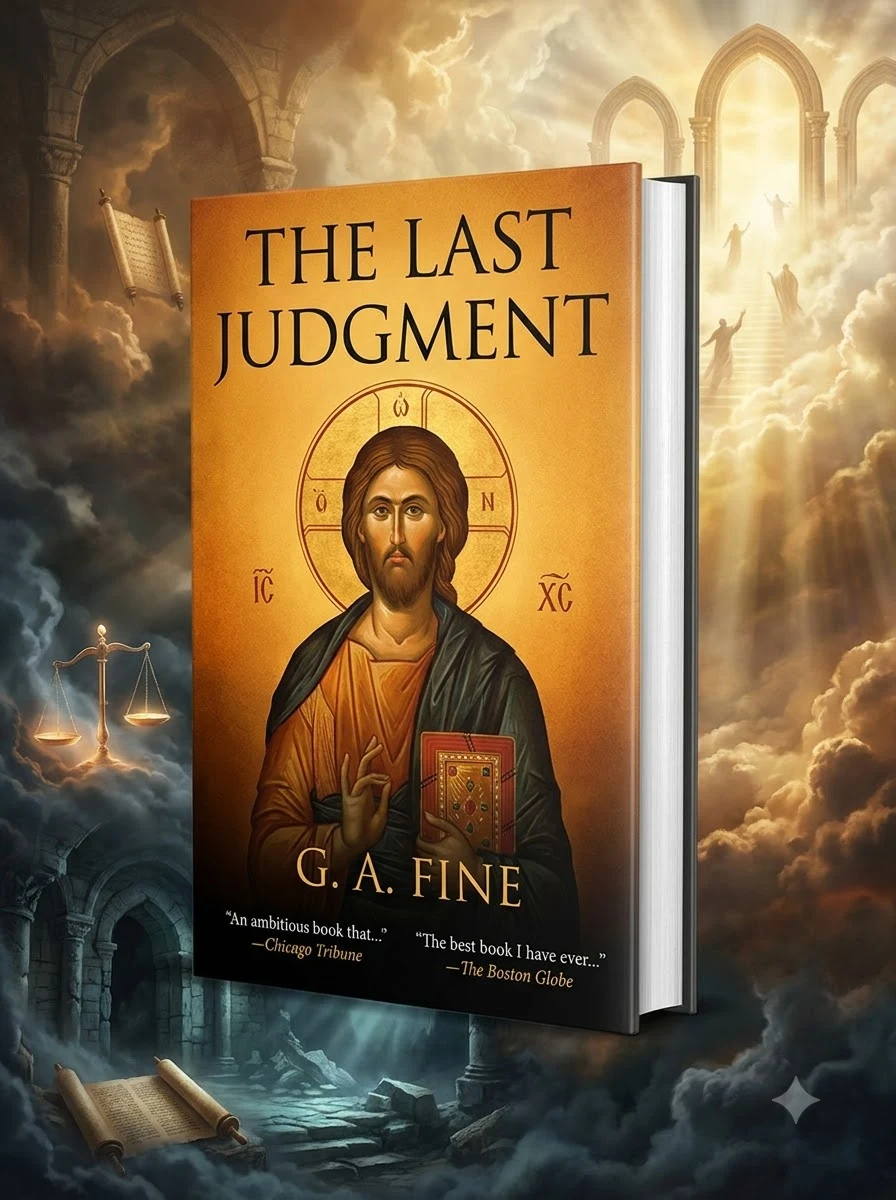

The Apocalypse of Peter: A Vision of Judgment, Redemption, and Eternity
A short paperback by the Apostle Peter detailing visions of post-death judgment and eternal reward.
This volume provides a direct account of spiritual reckoning from the perspective of the Apostle Peter. It avoids modern theological debates to focus on the raw mechanics of divine justice. The text examines how actions in life dictate one’s fate after death. It is not a guide for living but a description of what follows. The publisher Library of Alexandria released this edition on June 21, 2025. The physical dimensions are small, making it easy to carry. The content is dense with apocalyptic imagery and moral clarity. It appeals to those studying the development of early Christian eschatology. The work does not attempt to reconcile ancient views with contemporary ethics. It simply records the vision as presented by the author.
This text originates from early Christian tradition, attributed to the Apostle Peter. It reflects ancient Jewish and Hellenistic concepts of the afterlife. The Library of Alexandria edition places it within modern occult and mystical studies for contemporary readers.


📝 Description: The Apocalypse of Peter: A Vision of Judgment, Redemption, and Eternity
💎 Expert review
📖 Why choose it
Why this book is worth reading
Readers deeply interested in the foundational myths of Christian eschatology will find this text invaluable. It serves as a crucial window into how early believers conceptualized the afterlife, moving beyond simple morality tales to explore complex theological frameworks of sin and redemption. Those fascinated by the development of religious doctrine, particularly regarding judgment and eternal fates, will appreciate the vivid imagery that influenced later artistic and literary traditions. This book is essential for scholars, theologians, and spiritual seekers who wish to understand the raw, unfiltered perspectives of early Christian communities on cosmic justice and the soul's ultimate destiny.
⭐ Reader reviews
Reader rating
While visually striking in its descriptions of punishment and grace, this ancient manuscript may not suit modern readers seeking narrative pacing or contemporary theological nuances. It can feel repetitive due to its cataloging style of sins and rewards, which might alienate those looking for a cohesive story rather than a doctrinal exposition. Readers expecting a polished, edited translation might find the raw nature jarring. However, for those with academic interest or a strong desire to explore the roots of apocalyptic thought, it remains an important, if demanding, primary source that challenges conventional interpretations of early Christian beliefs.
❓ Frequently asked questions
📖 Who should read this
If you're drawn to early Christian mysteries, the hidden lore of the afterlife, or the philosophical implications of divine judgment, this ancient text offers a profound journey into spiritual reckoning and revelation. Ideal for seekers of esoteric knowledge.
🎯 Key themes and symbolism
Divine Retribution's Landscape
Explore the precise and often gruesome descriptions of hellish punishments, each tailored to specific transgressions. This section illustrates the meticulous nature of divine justice, ensuring that every sin meets its proportionate consequence within the elaborate structure of the afterlife.
Paths to Redemption
Amidst the stark depictions of judgment, the text subtly weaves in the concept of divine mercy. It hints at the possibility of forgiveness and the transformative power of repentance, suggesting that even in the face of eternal consequence, a glimmer of grace may still be found for certain souls.
Beyond Mortal Existence
Gain an unprecedented glimpse into the structures of the unseen world. From the harrowing depths of Tartarus, where the damned suffer, to the luminous fields of paradise, where the blessed reside, this work presents a detailed cosmology of the spiritual realms awaiting humanity.
📜 Historical context
📚 Glossary
- Eschatology
- Apocrypha
- Gnosticism
📔 Questions to reflect on
- How do the vivid descriptions of judgment in this text influence your understanding of morality and consequence in your own life?
- Consider the concept of divine mercy presented amidst the judgments. How does it align or conflict with your personal spiritual beliefs?
- If you were to envision your own 'apocalypse' or spiritual revelation, what hidden truths about the afterlife or human existence would be revealed to you?
📖 Read on the blog
📖 From the series “Library of Alexandria”
All books in the series →


🏛 Books from this publisher Library of Alexandria
All books from this publisher →You might also like
See more →


Have a question about this item?
Ask about the edition, condition, delivery or anything else — we reply by email or phone, usually within a day.
