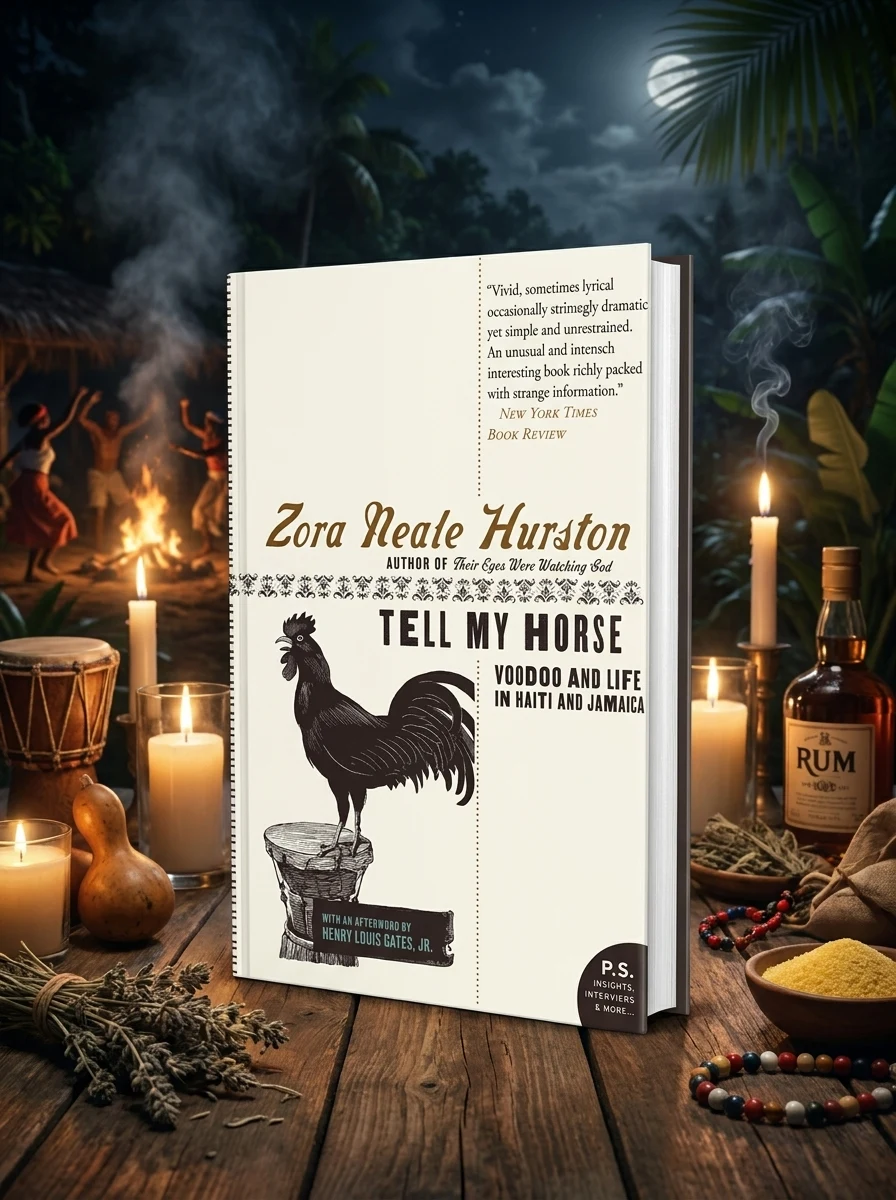
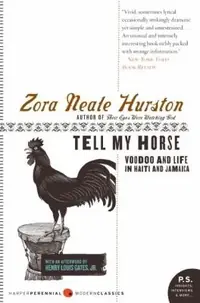
Tell My Horse: Voodoo and Life in Haiti and Jamaica
Stock reported in the catalog; fulfillment is confirmed with your request.
Journey into the heart of Haitian Vodou and Jamaican Obeah with Zora Neale Hurston, an initiate, not just an observer.
This isn't just a tourist's glance; Hurston deeply immersed herself. The book chronicles her unique journey into the spiritual landscapes of 1930s Haiti and Jamaica. As an active participant, even an initiate, in Vodou and Obeah traditions, she offers an unparalleled, firsthand account of their sacred rites, communal practices, and deeply held beliefs. Far from a detached academic study, this work pulses with the vibrant, lived reality of these often-misunderstood spiritual paths, revealing their true complexity and power through an insider’s eyes.
This work stands as a vital primary source within the canon of African diasporic religious studies, bridging anthropology and personal narrative in the mid-twentieth century. It captures the specific spiritual landscapes of Haiti and Jamaica during a period when these traditions were often misunderstood by the wider world.


📝 Description: Tell My Horse: Voodoo and Life in Haiti and Jamaica
💎 Expert review
📖 Why choose it
Why this book is worth reading
Readers seeking an authentic, non-sensationalized view of Afro-Caribbean spirituality will find profound value here. This book is ideal for those tired of exoticizing portrayals who crave an insider’s perspective on Vodou and Obeah. Hurston’s status as an initiate offers a rare depth, revealing the communal power and sacred rites from within. It is essential for students of folklore, practitioners of esoteric paths, and anyone wishing to understand the lived reality of these traditions beyond academic detachment or tourist curiosity. The vibrant narrative invites you into a world where belief is action, offering clarity on complex spiritual systems through the eyes of one who truly participated in their life.
⭐ Reader reviews
Reader rating
While this text offers an unparalleled insider’s account of Haitian Vodou and Jamaican Obeah, it may not suit readers seeking dry, detached academic analysis or those looking for a step-by-step instructional manual on magic. Hurston’s narrative is deeply personal and immersive, which might feel too subjective for strict scholars preferring objective distance. Additionally, readers expecting sensationalist 'voodoo' tropes will find this work refreshingly grounded in communal life and genuine belief rather than horror imagery. It demands patience with its reflective pacing but rewards the attentive reader with a profound understanding of spiritual complexity. Those comfortable with literary ethnography will thrive here, while those seeking quick facts may struggle with its narrative flow.
❓ Frequently asked questions
📖 Who should read this
If you seek a profound, unvarnished look into Caribbean spiritual traditions, far removed from sensationalized portrayals, this book is essential. For readers drawn to Zora Neale Hurston's distinctive voice and groundbreaking ethnographic approach, it offers an unparalleled journey into Vodou and Obeah as lived realities.
🎯 Key themes and symbolism
Unveiling Vodou & Obeah
The book meticulously details the complex spiritual systems of Haitian Vodou and Jamaican Obeah. It explores their pantheons, ceremonial structures, healing arts, and social functions, dispelling common misconceptions by presenting these traditions with the dignity and depth they deserve.
Cultural Anthropology Pioneer
Hurston, a towering figure in American literature, also made significant contributions to anthropology. Her work showcases a unique blend of scholarly rigor and narrative artistry, capturing the cultural nuances and spiritual vitality of the Caribbean without succumbing to exoticism or judgment.
💬 Quotes from the book
“I delved into the heart of their mysteries, not as a tourist with a camera, but with offerings and an open spirit.”
“The drums spoke a language older than memory, calling forth spirits that danced in the dust and fire.”
📜 Historical context
📚 Glossary
- Vodou
- Obeah
- Initiate
📔 Questions to reflect on
- How might actively participating in a spiritual tradition, rather than merely observing it, change one's understanding of its practices and beliefs?
- What preconceived notions about Vodou or Obeah did you hold before encountering Hurston's work, and how might her insights challenge or confirm them?
- In what ways does Hurston's blend of anthropological rigor and personal narrative enhance the reader's connection to the subject matter, compared to a purely academic text?
You might also like
See more →
 91
91