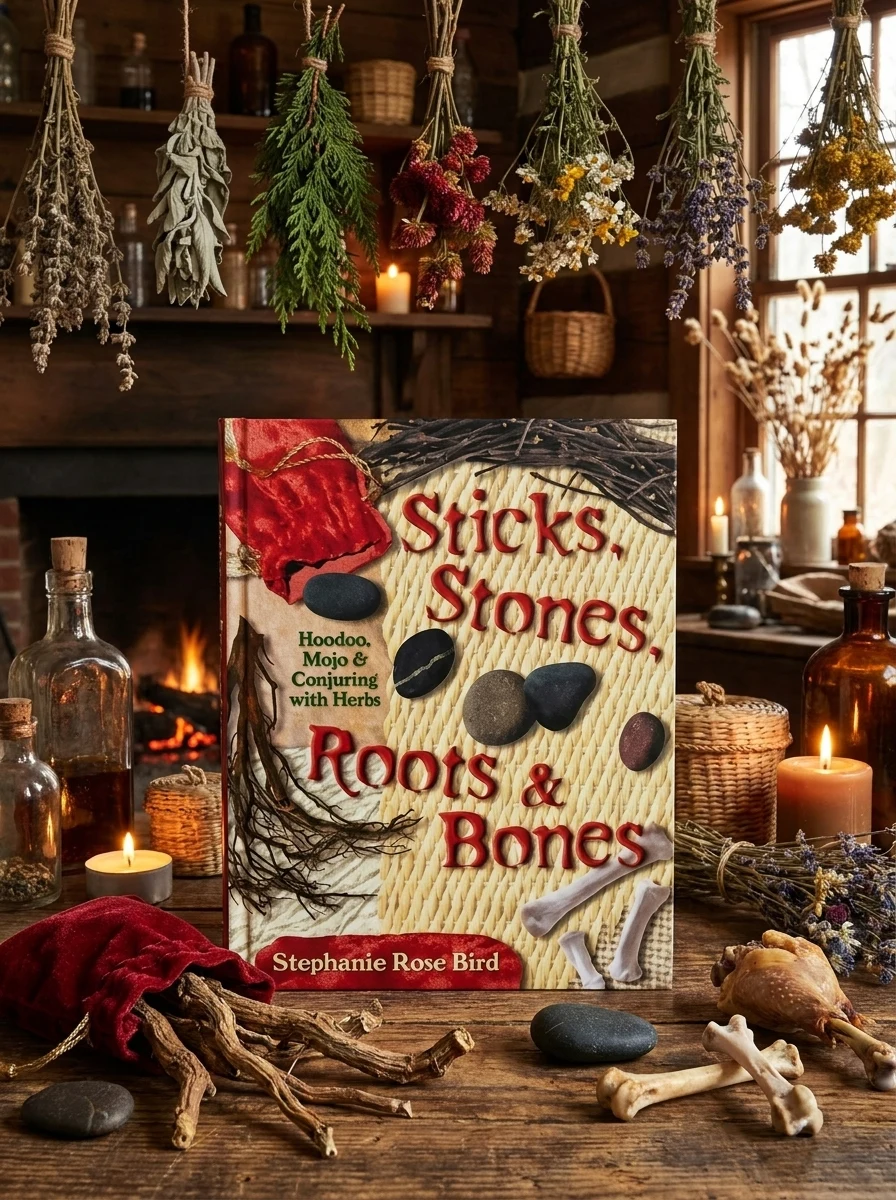
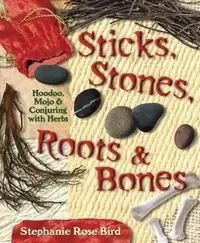
Sticks, Stones, Roots & Bones: Hoodoo, Mojo & Conjuring with Herbs
Bird, Stephanie RoseStock reported in the catalog; fulfillment is confirmed with your request.
Unearth the ancient African, Native, and Christian roots of Hoodoo magic in this award-winning guide to herbal conjuring.
Stephanie Rose Bird’s acclaimed work traces the genealogy of Hoodoo from its West African origins through the diaspora, weaving together indigenous herbalism and Judeo-Christian ritual. This volume serves as both a historical survey and a practical manual, detailing how mundane natural elements like sticks, stones, and bones function as potent vessels for spiritual intent. Readers will discover how to craft mojo bags for specific outcomes, ranging from domestic protection and financial prosperity to romantic attraction and physical healing, grounding esoteric practice in tangible, everyday materials.
This work anchors itself in the rich tapestry of Hoodoo and Mojo traditions, synthesizing West African spiritual lineages with indigenous herbalism and Judeo-Christian ritual practices. It serves as a vital bridge between historical genealogy and contemporary folk-magic application within the esoteric community.


📝 Description: Sticks, Stones, Roots & Bones: Hoodoo, Mojo & Conjuring with Herbs
💎 Expert review
📖 Why choose it
Why this book is worth reading
Readers seeking a tangible connection to ancestral wisdom will find deep value in this guide. It is ideal for those who wish to move beyond abstract theory and engage with the physical world through herbs, stones, and bones. By understanding the historical roots of Hoodoo, practitioners can ground their spiritual intent in everyday materials. This book empowers individuals to craft protective charms or prosperity bags with confidence, knowing their methods are supported by a robust cultural genealogy. It appeals to those who respect the diaspora’s resilience and want to honor African, Native, and Christian influences in their daily magical work, offering both knowledge and practical utility for spiritual growth.
⭐ Reader reviews
Reader rating
Long-time student of the esoteric here. Plenty of passages worth underlining; my copy is already full of margin notes. Every rereading turns up something I missed. Definitely recommend.
This edition finally does the material justice. You can tell why this work has endured. Shipping was quick too.
A friend in my study group recommended this one. I appreciated how the argument builds steadily from first principles. Shipping was quick too.
This edition finally does the material justice. It reads better in small doses — a chapter at a time with notes. Deserves a place on any esoteric bookshelf.
Finally got around to ordering this. The typesetting is comfortable for study, with good margins for notes. Solid binding, decent paper — holds up to heavy use. Definitely recommend.
Stephanie Rose Bird delivers a rigorous yet accessible manual that demands respect for its complex historical origins. While it excels as both a survey and a practical tool, it may not suit readers looking for purely aesthetic or superficial witchcraft trends without historical depth. Those seeking quick, disconnected spells might find the genealogical context dense. However, for serious practitioners willing to engage with the diaspora’s legacy, this volume is indispensable. It challenges the reader to view mundane objects as potent spiritual vessels, requiring a mindset open to learning rather than just consuming content.
❓ Frequently asked questions
📖 Who should read this
Practitioners seeking authentic, historically grounded instructions for folk magic, herbalists interested in the cultural context of their craft, and seekers of practical, nature-based spiritual tools for daily life.
🎯 Key themes and symbolism
Hoodoo history
Herbal magic
Mojo bag construction
💬 Quotes from the book
“Hoodoo is an eclectic blend of African traditions, Native American herbalism, and Judeo-Christian ritual.”
“Sticks, stones, roots, and bones... can be used to bless the home, find a mate, invoke wealth.”
📜 Historical context
📚 Glossary
- Mojo Bag
- Hoodoo
- Conjuring
📔 Questions to reflect on
- Which natural items in your immediate environment hold personal or symbolic power for you?
- How might the syncretic history of Hoodoo reflect your own cultural or spiritual lineage?
- What specific intention could you currently anchor into a simple, natural object for protection or guidance?
✍️ More books by this author Bird, Stephanie Rose
All books by this author →
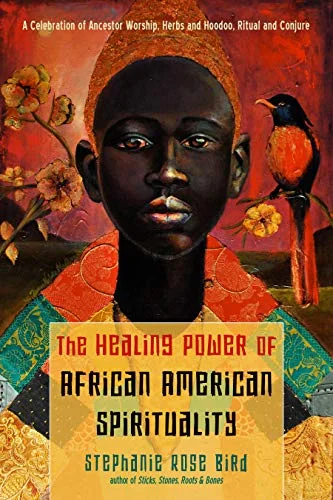
🏛 Books from this publisher Llewellyn Publications
All books from this publisher →
 89
89


You might also like
See more →