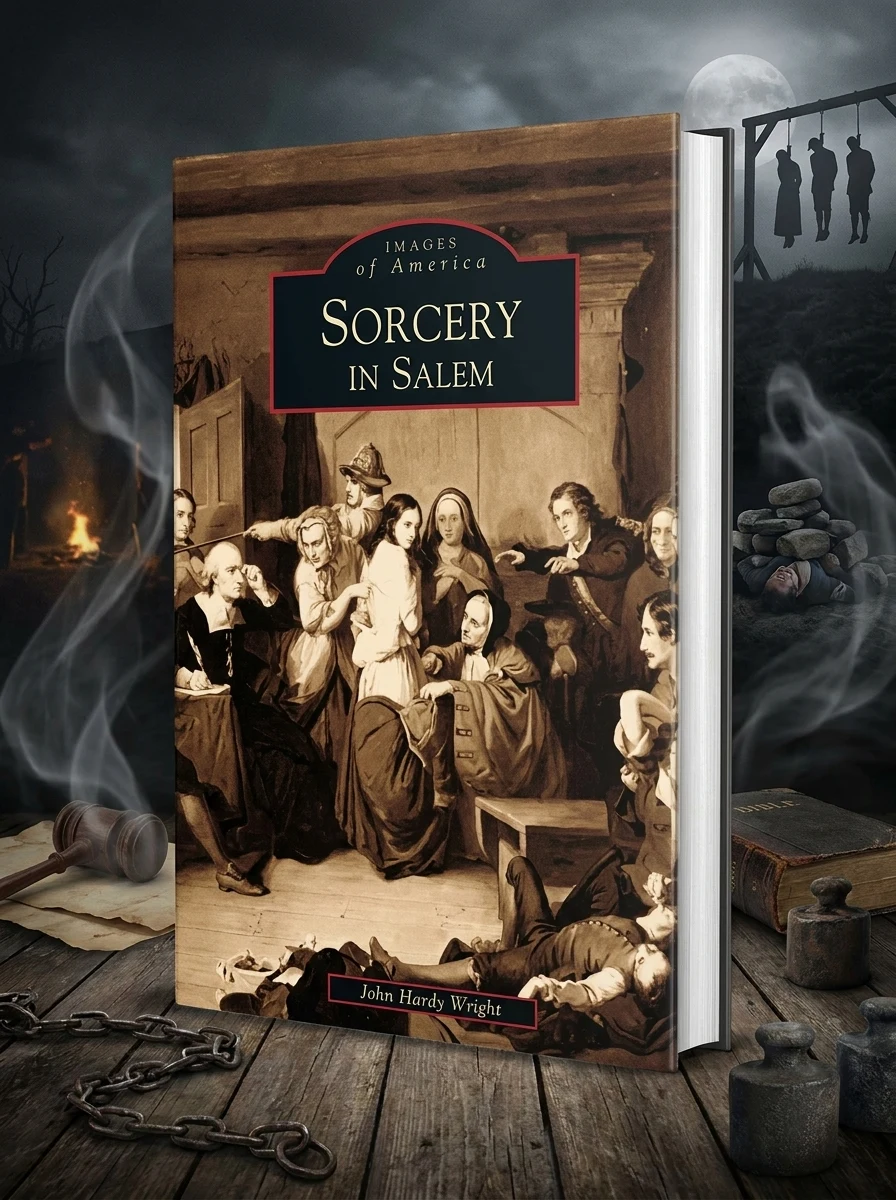
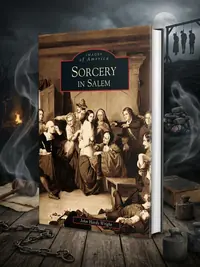
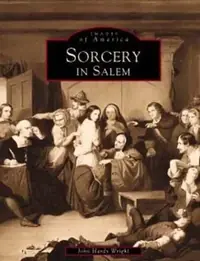
Sorcery in Salem Wright, John Hardy
Stock reported in the catalog; fulfillment is confirmed with your request.
Uncover the dark alchemy behind Salem’s 1692 witch trials through rare historical lenses.
John Hardy Wright dissects the terrifying witchcraft hysteria that gripped Salem Village and Town during the winter of 1691-92. This work meticulously chronicles the eighteen executions by hanging and the brutal pressing death of Giles Cory, who refused to plead. Wright explores the absurd legal mechanisms of the era, such as spectral evidence and the touch test, revealing how trivial failures like misreciting the Lord's Prayer became capital offenses. It is a chilling examination of judicial madness and supernatural fear.
This volume anchors itself within the rich tapestry of New England folk magic and colonial history, serving as a primary lens for understanding the intersection of religious fervor and judicial procedure in early modern America. It stands as a critical historical document within the tradition of esoteric studies that examine how supernatural beliefs dictated legal outcomes during periods of societal collapse.


📝 Description: Sorcery in Salem Wright, John Hardy
💎 Expert review
📖 Why choose it
Why this book is worth reading
Readers fascinated by the dark alchemy of Salem’s 1692 witch trials will find profound value in this meticulous chronicle. It appeals to those seeking to understand not just the hysteria, but the terrifying mechanics behind it. By dissecting the eighteen hangings and Giles Cory’s brutal pressing death, Wright reveals how trivial failures, like misreciting prayers, became capital offenses. This book is essential for anyone wishing to grasp the judicial madness of the era. It offers a chilling examination of supernatural fear, making it perfect for historians and occult enthusiasts alike who want to see how spectral evidence and the touch test fueled a tragedy. It provides clarity on absurd legal mechanisms, transforming abstract history into a vivid, terrifying reality that explains why such events occurred.
⭐ Reader reviews
Reader rating
A friend in my study group recommended this one. It rewards patience more than any book I've bought this year. Good, with the caveats above.
I keep coming back to this one. Plenty of passages worth underlining; my copy is already full of margin notes.
Long-time student of the esoteric here. It connects ideas I'd only seen treated separately elsewhere.
My third book from this store and this one might be the best. I found myself reading passages aloud just to sit with them. There's real depth here that reveals itself on a second reading. Deserves a place on any esoteric bookshelf.
Came across this title in a footnote and had to track it down. It's become a regular reference in my practice. Well worth it.
Took a chance on this and glad I did. Not a light read, but far more accessible than I feared. It connects ideas I'd only seen treated separately elsewhere. Still worth having on the shelf.
Wright’s work is a chilling examination of judicial madness, meticulously detailing the eighteen executions and Giles Cory’s death. It effectively dissects spectral evidence and the touch test, showing how misreciting the Lord's Prayer became a capital offense. However, readers seeking narrative flair or theological debate may find this account dry. It is not for those who prefer fictionalized accounts of Salem; it is strictly historical. The focus on legal absurdities might bore casual readers. It suits scholars and serious students of colonial history who want to understand the specific mechanisms of fear. Those expecting a supernatural thriller will be disappointed by its rigorous, albeit terrifying, factual approach to the witchcraft hysteria.
❓ Frequently asked questions
📖 Who should read this
Readers fascinated by American colonial history, the sociology of mass hysteria, and those seeking to understand the legal and spiritual mechanics behind one of history's most infamous tragedies.
🎯 Key themes and symbolism
Judicial Madness
Spectral Evidence
Puritan Theocracy
💬 Quotes from the book
“The court demanded not just truth, but a specific theological performance of innocence.”
“Giles Cory chose death over the lie of a plea he could not in good conscience make.”
📜 Historical context
📚 Glossary
- Spectral Evidence
- Touch Test
- Gallows Hill
📔 Questions to reflect on
- How does the fear of the unseen influence modern legal or social judgments?
- What role does silence play in resistance against oppressive systems?
- How might community trauma reshape the definition of truth in a crisis?
🏛 Books from this publisher Arcadia Publishing (SC)
All books from this publisher →
 84
84
 75
75
 90
90
You might also like
See more →
 79
79