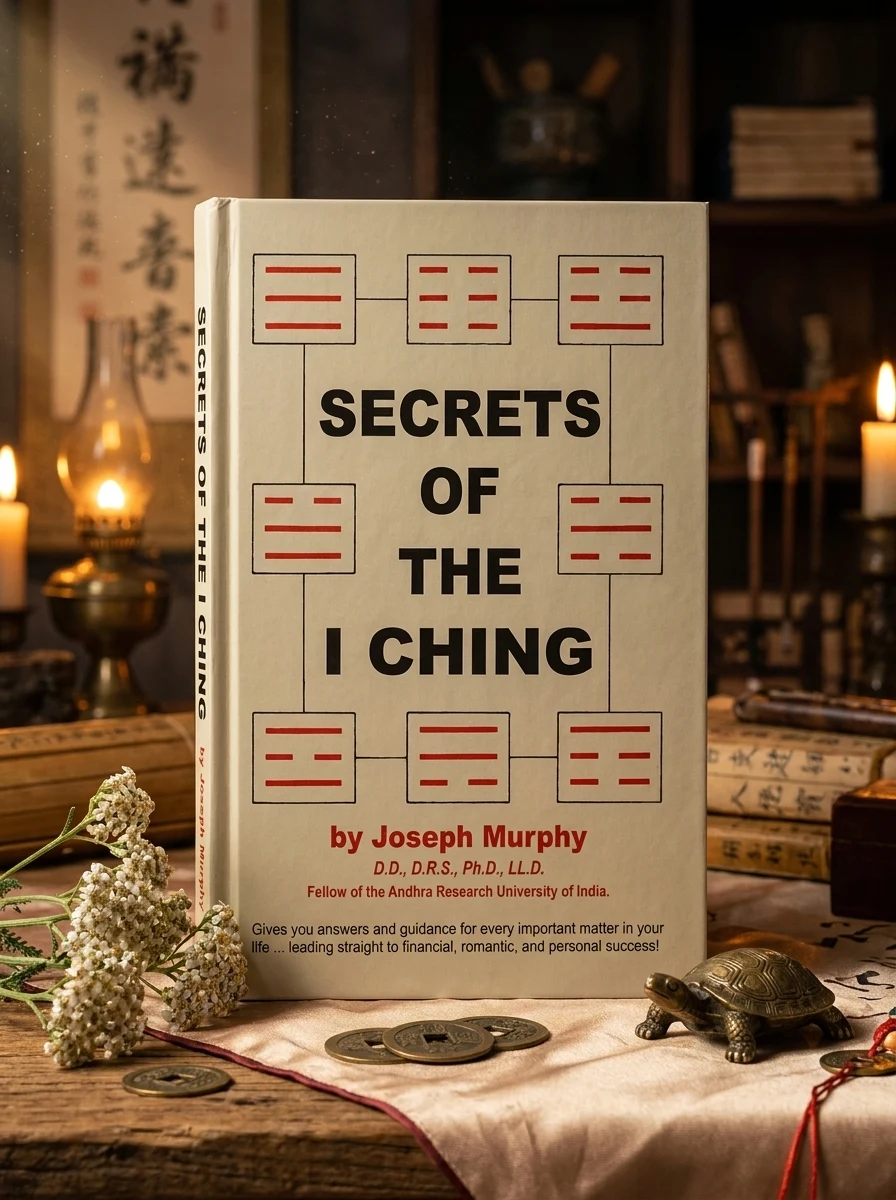
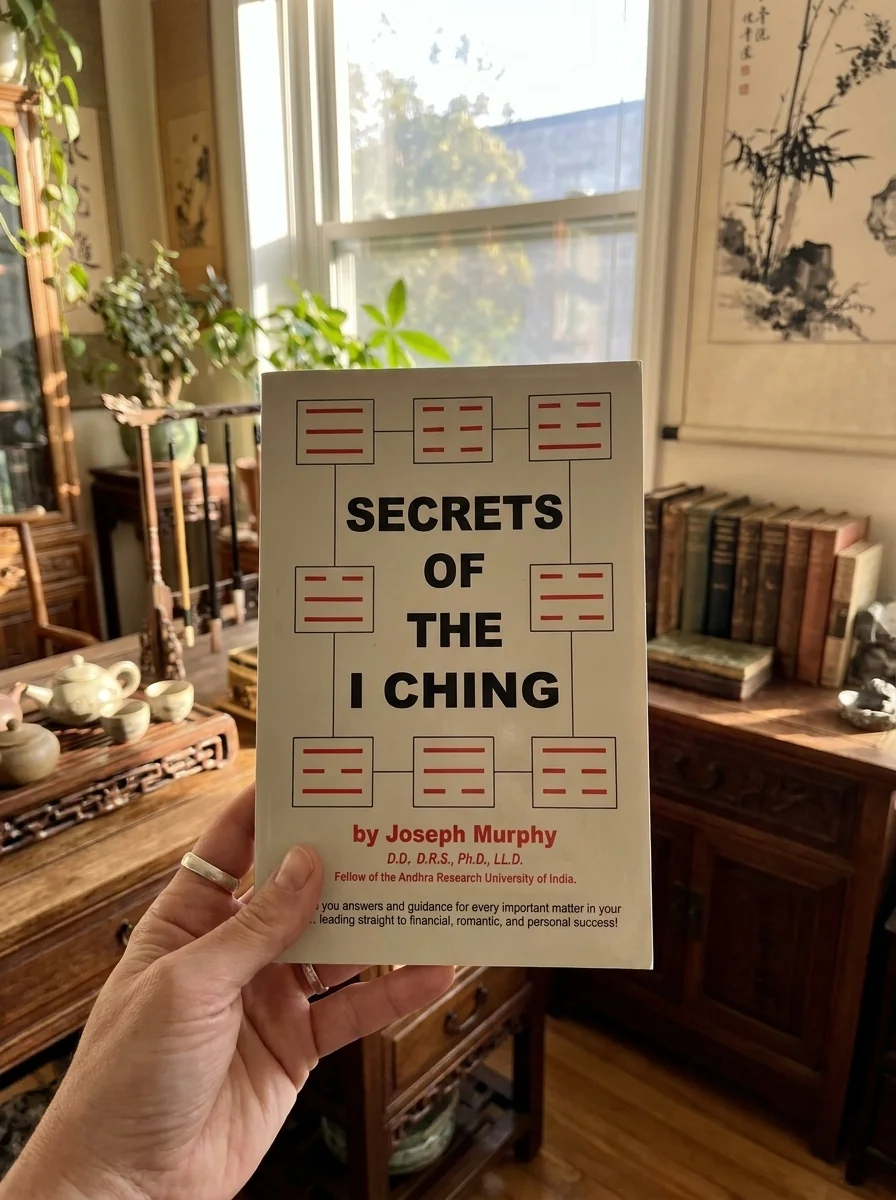
Secrets of the I Ching
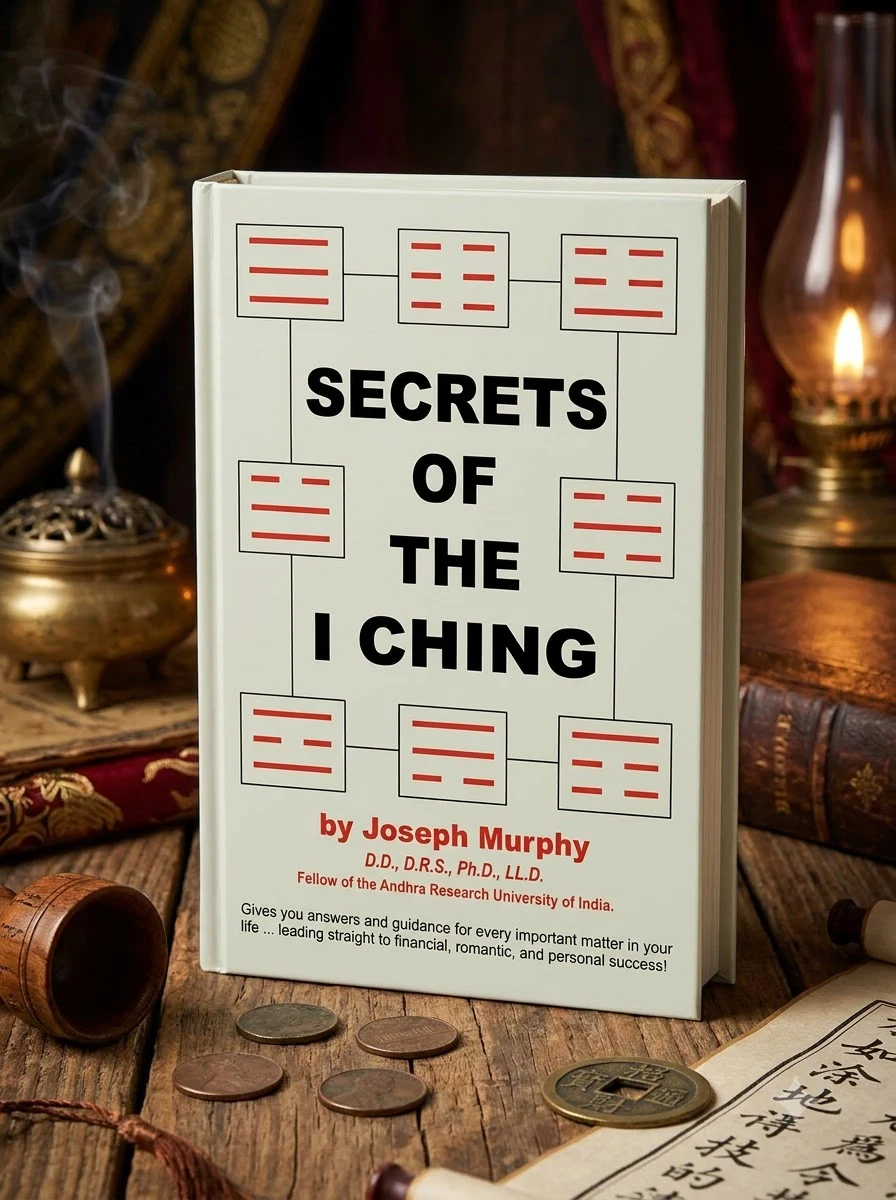
✍️ Murphy, JosephJoseph Murphy's "Secrets of the I Ching" revitalizes the profound insights of China's ancient oracle for contemporary audiences. This accessible volume serves as a practical manual, distilling five millennia of philosophical tradition into actionable guidance for personal growth and success. It moves beyond mere fortune-telling, presenting the I Ching as a dynamic tool for self-reflection and navigating life's challenges. Readers will discover how to harness its revelations to foster spiritual insight, make informed decisions, and cultivate a path of continuous self-improvement, making this a cornerstone text for today's spiritual journeyers.
📝 Description: Secrets of the I Ching
💎 Expert review
📖 Why choose it
Why this book is worth reading
Readers seeking actionable guidance for personal growth and success will find immense value in this practical manual. It is ideal for those who wish to move beyond superficial fortune-telling and instead harness the I Ching as a dynamic tool for deep self-reflection. Individuals navigating life's challenges or seeking spiritual insight will appreciate how this text distills ancient wisdom into clear, usable advice. It serves as a cornerstone for anyone on a spiritual journey, helping them make informed decisions and cultivate continuous improvement. By offering a bridge between ancient philosophical tradition and modern transformation, it empowers readers to understand life's shifting currents with clarity and confidence.
⭐ Reader reviews
Reader rating
Joseph Murphy’s volume effectively bridges the gap between ancient Chinese philosophy and contemporary self-help needs. Its strength lies in accessibility, making five millennia of tradition digestible for today’s spiritual seekers. However, scholars or purists seeking rigorous academic analysis of the hexagrams may find it too simplified or commercialized. It does not suit those looking for complex metaphysical debates or historical critiques. Instead, it is best for beginners wanting a practical manual rather than a dense theoretical treatise. While it lacks depth for advanced students, its utility as a guide for daily decision-making and personal development remains undeniable for the general audience.
❓ Frequently asked questions
📖 Who should read this
If you're seeking profound guidance to navigate life's complexities, desire a practical approach to ancient oracular traditions, or wish to deepen your understanding of personal transformation, this book offers invaluable insights into the "Book of Changes."
🎯 Key themes and symbolism
Practical Divination Reimagined
Murphy reframes the I Ching not as a mystical predictor of fate, but as a direct conduit for practical advice. This book guides readers to use its symbols for daily problem-solving and decision-making, transforming an ancient art into a dynamic self-help instrument for personal empowerment and clear direction in modern life.
Ancient Wisdom, Modern Application
This work expertly bridges the vast temporal gap between the I Ching's 5,000-year-old origins and current-day spiritual inquiries. It demonstrates the enduring relevance of Chinese philosophy, showing how its fundamental principles of change and balance remain profoundly applicable to contemporary dilemmas and the pursuit of individual fulfillment.
Pathways to Personal Transformation
Central to Murphy's interpretation is the I Ching's capacity to spur deep personal change. The text illustrates how engaging with its hexagrams fosters introspection, encourages self-awareness, and illuminates pathways to overcome internal and external obstacles, ultimately leading to significant personal and spiritual evolution.
📜 Historical context
📚 Glossary
- I Ching
- Hexagram
- Divination
📔 Questions to reflect on
- How can I apply the principles of change to a current challenge in my life, reframing it as an opportunity for growth?
- What specific areas of personal growth do I feel the I Ching could illuminate for me right now, and what question would I ask it?
- Consider a past decision: how might consulting the 'Book of Changes' have offered a different perspective or guided a more optimal path?