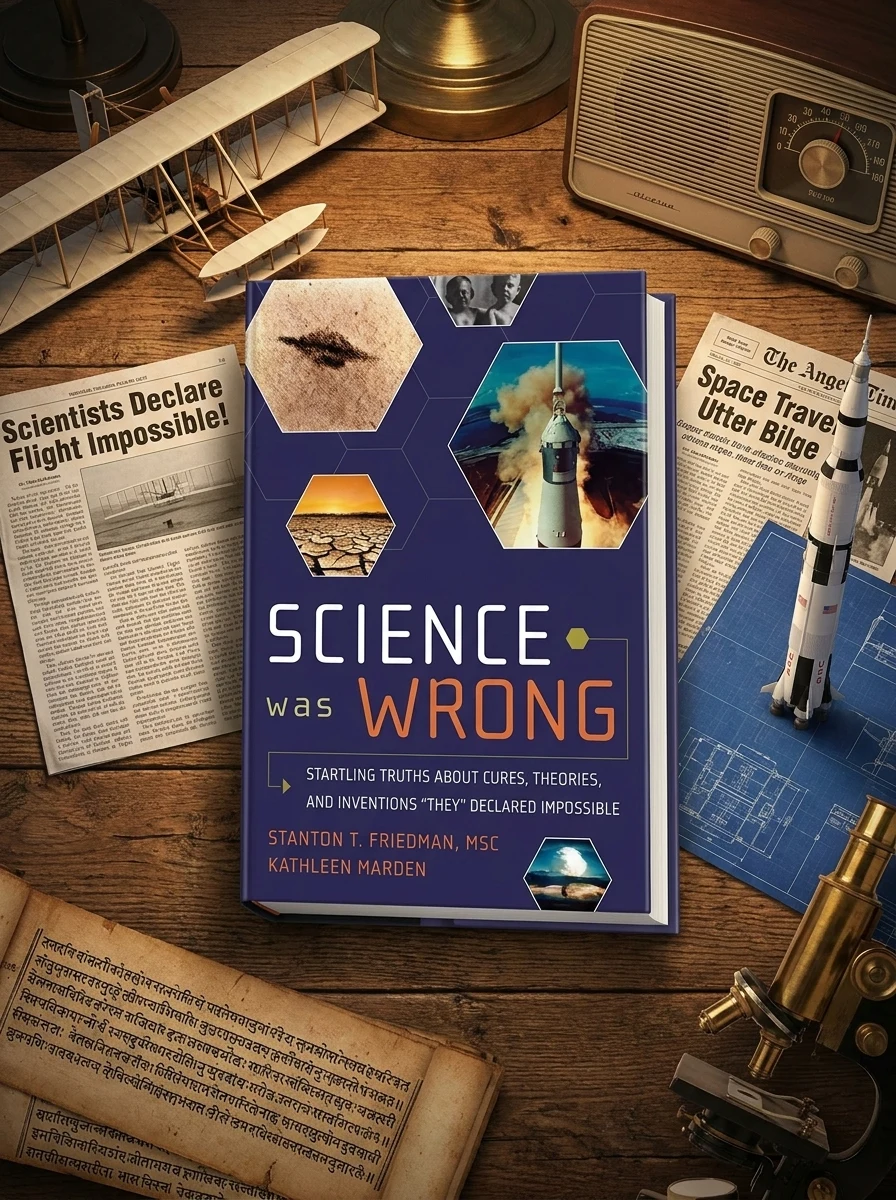
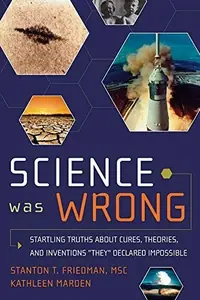
Science Was Wrong: Startling Truths about Cures, Theories, and Inventions They Declared Impossible
Friedman, Stanton TStock reported in the catalog; fulfillment is confirmed with your request.
Uncover history's blunders: the 'impossible' truths science once dismissed.
This compelling collection delves into the annals of scientific history, revealing numerous instances where groundbreaking theories and inventions were initially scorned by the established scientific community. From the early skepticism surrounding human flight to the delayed acceptance of germ theory and the outright ridicule of space travel, Friedman meticulously chronicles how 'impossible' concepts eventually became reality. It's a testament to the visionary minds who persevered despite professional dismissal, offering a cautionary tale about intellectual rigidity and the often-steep cost of resisting new knowledge.
This work sits firmly within the tradition of esoteric and alternative history literature that challenges mainstream scientific narratives. It appeals to readers interested in occult-philosophy who seek to uncover hidden truths about cures, theories, and inventions previously deemed impossible by established authorities.


📝 Description: Science Was Wrong: Startling Truths about Cures, Theories, and Inventions They Declared Impossible
💎 Expert review
📖 Why choose it
Why this book is worth reading
Readers fascinated by the intersection of science, history, and skepticism will find this book a compelling invitation to rethink what is considered 'impossible.' It is ideal for those who enjoy uncovering historical blunders and celebrating visionary minds that persevered despite professional dismissal. The narrative serves as both an inspiring testament to intellectual courage and a cautionary tale about the costs of resisting new knowledge. If you are tired of rigid dogma and prefer stories where the truth eventually triumphs over established scorn, this collection offers a refreshing perspective on how groundbreaking ideas were initially rejected before becoming reality.
⭐ Reader reviews
Reader rating
While Friedman provides a meticulous chronicle of dismissed innovations, this book is not for the devoutly orthodox scientist or those who demand strict empirical validation without historical context. It may frustrate readers seeking rigorous academic debate rather than anecdotal evidence of 'impossible' truths. However, for those open to questioning established narratives, it offers a stimulating look at intellectual rigidity. The tone is accessible but relies heavily on the premise that science was often wrong, which might feel repetitive to some. Ultimately, it is a solid choice for enthusiasts of alternative history who appreciate the drama of scientific resistance and eventual acceptance.
❓ Frequently asked questions
📖 Who should read this
If you question accepted narratives and delight in the triumph of unconventional thought, this chronicle of scientific misjudgment awaits you. It's perfect for anyone fascinated by the history of ideas, the sociology of knowledge, and the enduring human struggle against intellectual inertia.
🎯 Key themes and symbolism
Challenging Scientific Dogma
The book explores how entrenched scientific beliefs and institutional inertia often impede progress. It showcases historical examples where prevailing wisdom actively suppressed novel ideas, demonstrating a recurring pattern of resistance to anything that threatens the established paradigm, even when compelling evidence emerges.
Triumph of Visionary Thinkers
This work celebrates the innovators and pioneers who dared to dream beyond the limits of contemporary understanding. It highlights the often solitary and ridiculed journeys of individuals whose persistence ultimately led to revolutionary breakthroughs, proving that true progress frequently originates outside mainstream acceptance.
The Cost of Skepticism
Friedman examines the tangible and intangible costs incurred when scientific communities dismiss new discoveries prematurely. From delayed medical advancements to stunted technological growth, the book illustrates how human suffering and missed opportunities can be direct consequences of an overly conservative or dismissive scientific outlook.
💬 Quotes from the book
“History whispers cautionary tales of those who declared the future 'impossible,' only to be outpaced by visionaries.”
“The true enemy of progress is not ignorance, but the illusion of knowledge and the comfort of the status quo.”
📜 Historical context
📚 Glossary
- Dogma
- Paradigm Shift
- Anachronism
📔 Questions to reflect on
- Reflect on a time you or someone you know dismissed an idea as 'impossible,' only for it to later prove true. What were the underlying reasons for that initial skepticism?
- How do you think current scientific or societal institutions might be unknowingly stifling future breakthroughs by adhering too strictly to present paradigms?
- Consider a contemporary idea or theory that is widely dismissed as 'impossible' or 'fringe.' Based on the book's insights, what might its future hold?
✍️ More books by this author Friedman, Stanton T
All books by this author →
🏛 Books from this publisher New Page Books
All books from this publisher →

You might also like
See more →





 91
91