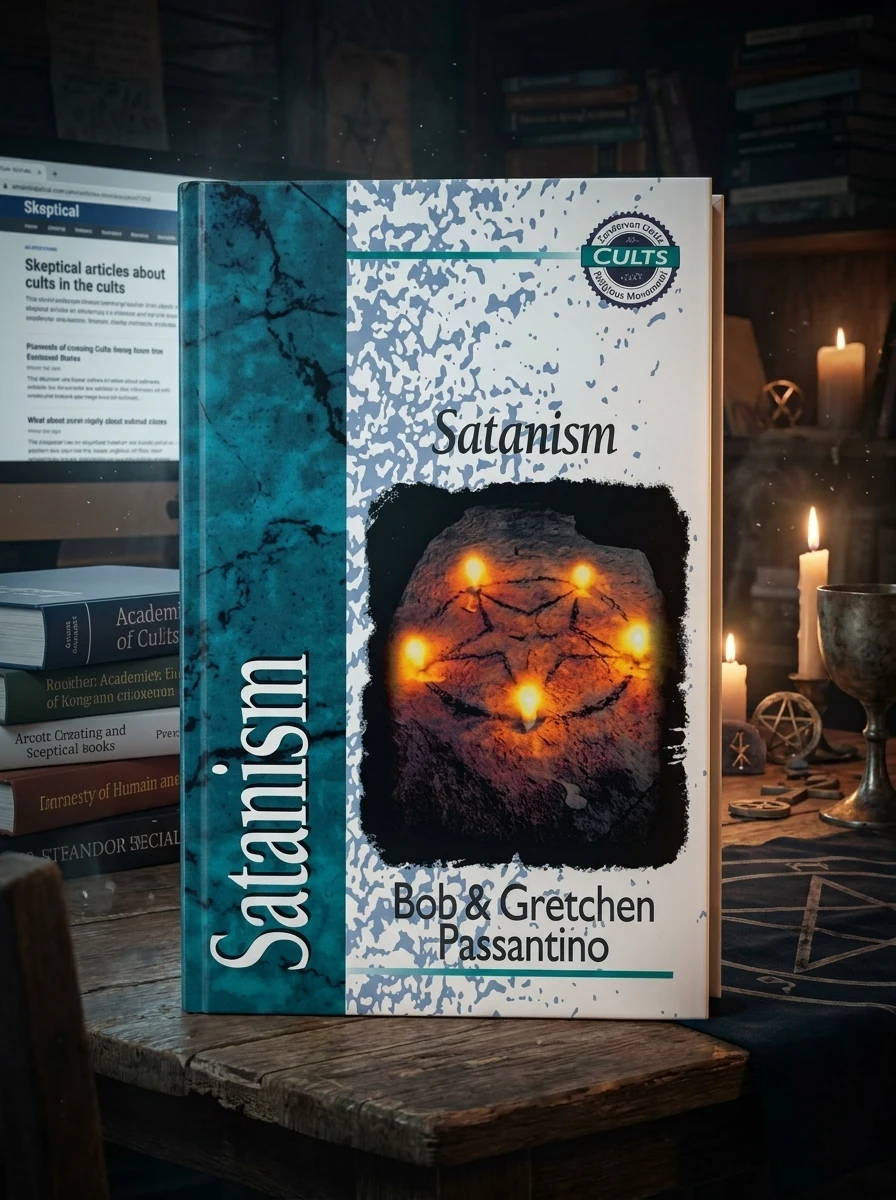
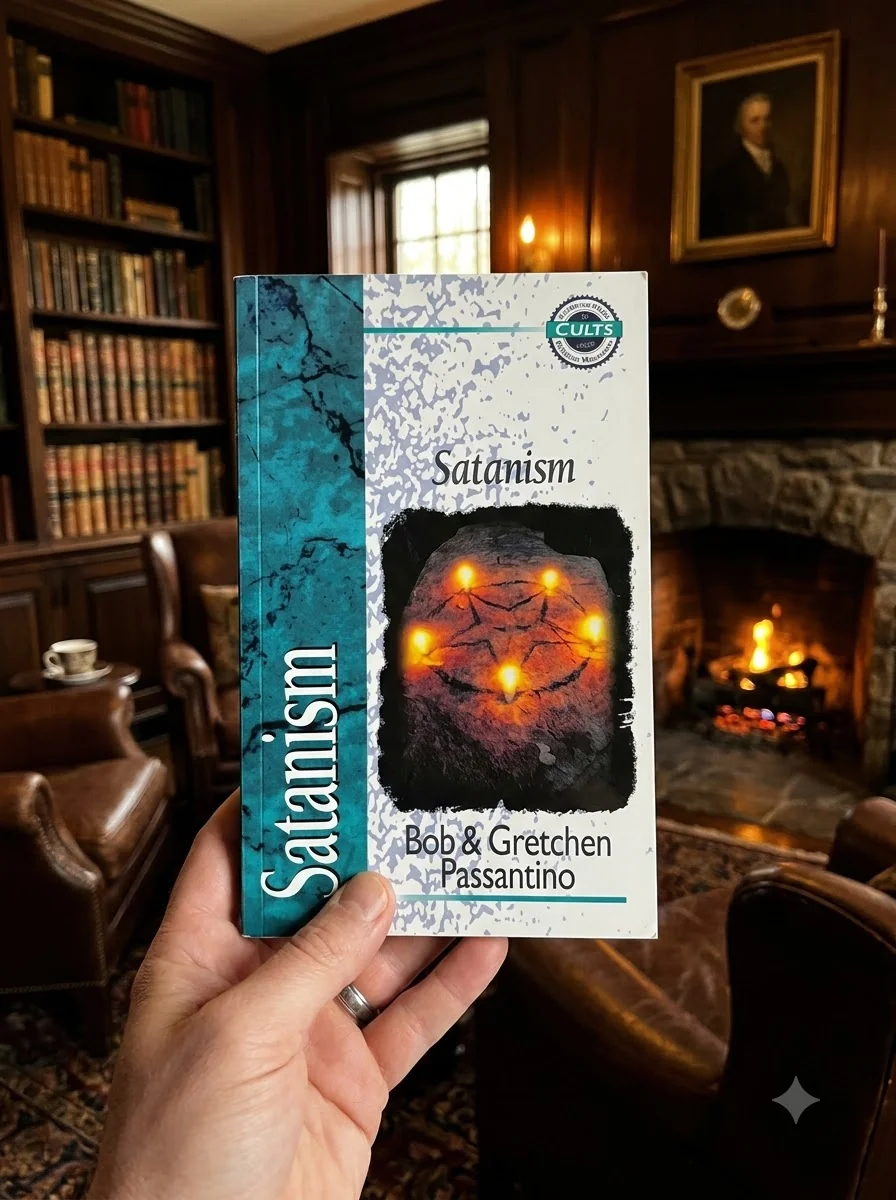

Satanism
While many dismiss Satanic worship as archaic superstition or mere literary trope, this rigorous examination reveals its surprising and pervasive presence in contemporary society. The authors dismantle prevailing attitudes of disbelief to expose how Satanic ideologies have made unprecedented inroads into our daily lives. By investigating the theological and sociological underpinnings of these movements, the text challenges readers to look beyond the embarrassment of the topic and confront the reality of spiritual warfare. It serves as a serious, albeit unsettling, documentation of a hidden cultural shift that demands attention from those willing to explore the darker corners of modern religious expression.


📝 Description: Satanism
💎 Expert review
📖 Why choose it
Why this book is worth reading
Readers seeking a rigorous examination of the intersection between spirituality and modern culture will find this book compelling. It is ideal for those who suspect that prevailing attitudes of disbelief are insufficient explanations for contemporary societal shifts. By dismantling skepticism, Passantino invites readers to confront the unsettling reality of spiritual warfare that operates beneath the surface of daily life. This text serves as a serious documentation of hidden cultural changes, urging individuals to look beyond embarrassment and engage with the darker corners of modern religious expression. It offers clarity for those willing to explore these complex theological and sociological underpinnings without dismissing them as mere superstition or literary tropes.
⭐ Reader reviews
Reader rating
Passantino delivers a provocative argument that Satanic ideology is a pervasive societal force rather than an archaic myth. The book succeeds in challenging readers to abandon comfortable skepticism and face the reality of spiritual influence in modern culture. However, this work does not suit readers who prefer secular sociological analyses devoid of theological framing. Those seeking objective, detached academic studies on occult history may find the perspective too doctrinal or biased. It is also unsuitable for individuals who are uncomfortable with direct assertions of supernatural conflict or those who view such topics as purely metaphorical rather than literal spiritual battles requiring urgent attention.
❓ Frequently asked questions
📖 Who should read this
Readers interested in Christian apologetics, cult analysis, or the sociology of religion will find this a vital resource for understanding the tangible impact of occult ideologies on modern society.
🎯 Key themes and symbolism
Cultural infiltration
Spiritual warfare
Deconstructing skepticism
📜 Historical context
📚 Glossary
- Satanic Inroads
- Spiritual Warfare
- Counter-Cult Apologetics
📔 Questions to reflect on
- In what subtle ways might cultural skepticism have blinded you to the presence of occult ideologies in your daily life?
- How does the fear of appearing 'superstitious' prevent honest engagement with serious spiritual threats?
- What distinctions can you draw between theatrical Satanism and the theological dangers the authors describe?
📖 Read on the blog
🏛 Books from this publisher Zondervan
All books from this publisher →



You might also like
See more →







Have a question about this item?
Ask about the edition, condition, delivery or anything else — we reply by email or phone, usually within a day.
