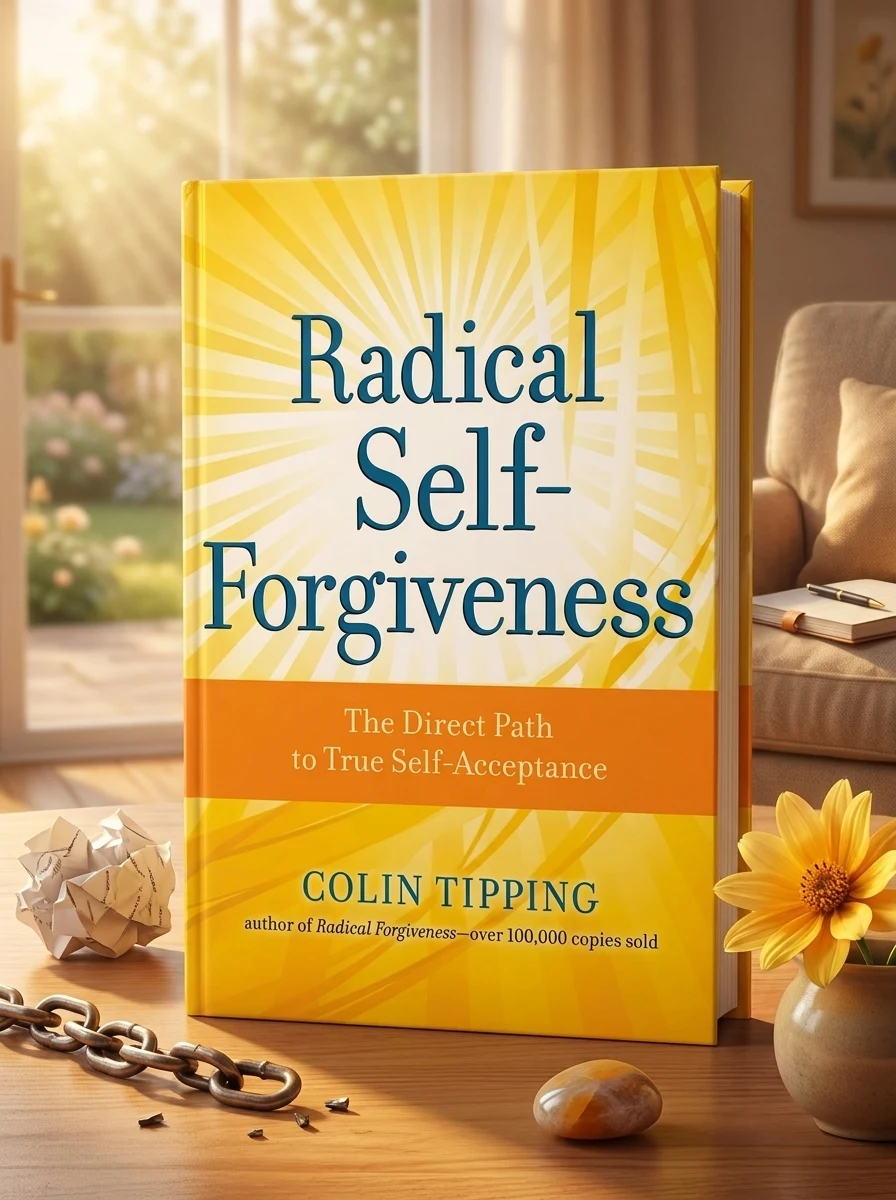
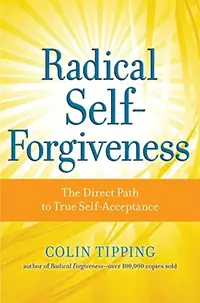
Radical Self-Forgiveness: The Direct Path to True Self-Acceptance
Tipping, Colin

Stock reported in the catalog; fulfillment is confirmed with your request.
Unshackle yourself from self-blame and embrace profound spiritual liberation.
Colin Tipping's groundbreaking work offers a transformative pathway to self-acceptance, moving beyond conventional notions of forgiveness. He contends that our struggle with self-forgiveness stems from a dual role as both victim and perpetrator, a paradox his 'Radical Forgiveness' process deftly navigates. This book provides a clear, step-by-step methodology to transcend internal critique and self-sabotaging beliefs, guiding the reader toward a deeper, spiritual reconciliation with their past. It promises not merely a new narrative, but a fundamental shift in perception for lasting inner peace.
This work resides within the contemporary New Age and self-help spiritual traditions, bridging esoteric philosophy with practical psychological application for modern seekers of inner peace.


📝 Description: Radical Self-Forgiveness: The Direct Path to True Self-Acceptance
💎 Expert review
📖 Why choose it
Why this book is worth reading
This book is essential for those weary of the exhausting cycle of self-blame and internal criticism. It offers a direct, step-by-step methodology to navigate the paradox of being both victim and perpetrator, guiding readers toward profound spiritual liberation. If you seek more than just a new narrative but a fundamental shift in perception, this text provides the tools for lasting inner peace. It is ideal for individuals ready to unshackle themselves from self-sabotaging beliefs and embrace true self-acceptance through radical reconciliation with their past.
⭐ Reader reviews
Reader rating
Tipping presents a transformative pathway that moves beyond conventional forgiveness into deep spiritual reconciliation. While the step-by-step process is clear, the book may not suit those seeking rigid academic analysis or those resistant to non-traditional metaphysical concepts. It is best for readers open to shifting their perception rather than merely analyzing it. The approach is practical yet profound, though some might find the directness challenging if they prefer nuanced, gradual psychological exploration over immediate spiritual resolution.
❓ Frequently asked questions
📖 Who should read this
If you've grappled with persistent self-criticism, guilt, or the inability to truly accept your past, this book is for you. It's for those seeking a profound, spiritual approach to healing inner wounds and moving beyond the limitations of conventional self-help methods.
🎯 Key themes and symbolism
Beyond Traditional Forgiveness
Tipping challenges the common understanding of forgiveness, arguing that it often traps us in a cycle of blame. Instead, he presents a 'radical' alternative that bypasses the need for a victim or perpetrator, allowing for a more direct and spiritual resolution to inner conflict and past grievances.
Spiritual Self-Acceptance
The core of this work lies in fostering genuine self-acceptance at a profound spiritual level. It's not about excusing past mistakes, but about understanding their deeper purpose and releasing the energetic ties of guilt and shame, leading to an inherent sense of personal wholeness.
Dismantling Self-Blame
This book provides practical tools to dismantle the pervasive patterns of self-criticism and self-sabotage. By applying Tipping's five-stage process, readers can effectively dissolve the internal judge, freeing themselves from the weight of perceived transgressions and fostering a kinder inner dialogue.
💬 Quotes from the book
“True liberation arrives not from pardoning the past, but from perceiving its spiritual purpose.”
“To forgive oneself radically means to dissolve the illusion of victim and perpetrator within, revealing inherent wholeness.”
📜 Historical context
📚 Glossary
- Radical Forgiveness
- Self-Sabotaging Beliefs
- Spiritual Shift
📔 Questions to reflect on
- Reflect on a past event for which you still hold self-blame. How might viewing this event through a lens of 'spiritual purpose' alter your feelings?
- Identify a recurring self-sabotaging thought pattern. How does Tipping's concept of dissolving the 'victim and perpetrator' apply to releasing this pattern?
- Consider what 'true self-acceptance' would feel like for you. What is one small step you can take today towards that feeling, independent of past actions?
✍️ More books by this author Tipping, Colin
All books by this author →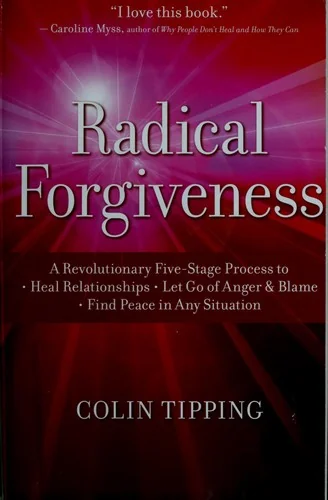
🏛 Books from this publisher St. Martin's Essentials / Sounds True
All books from this publisher →



You might also like
See more →