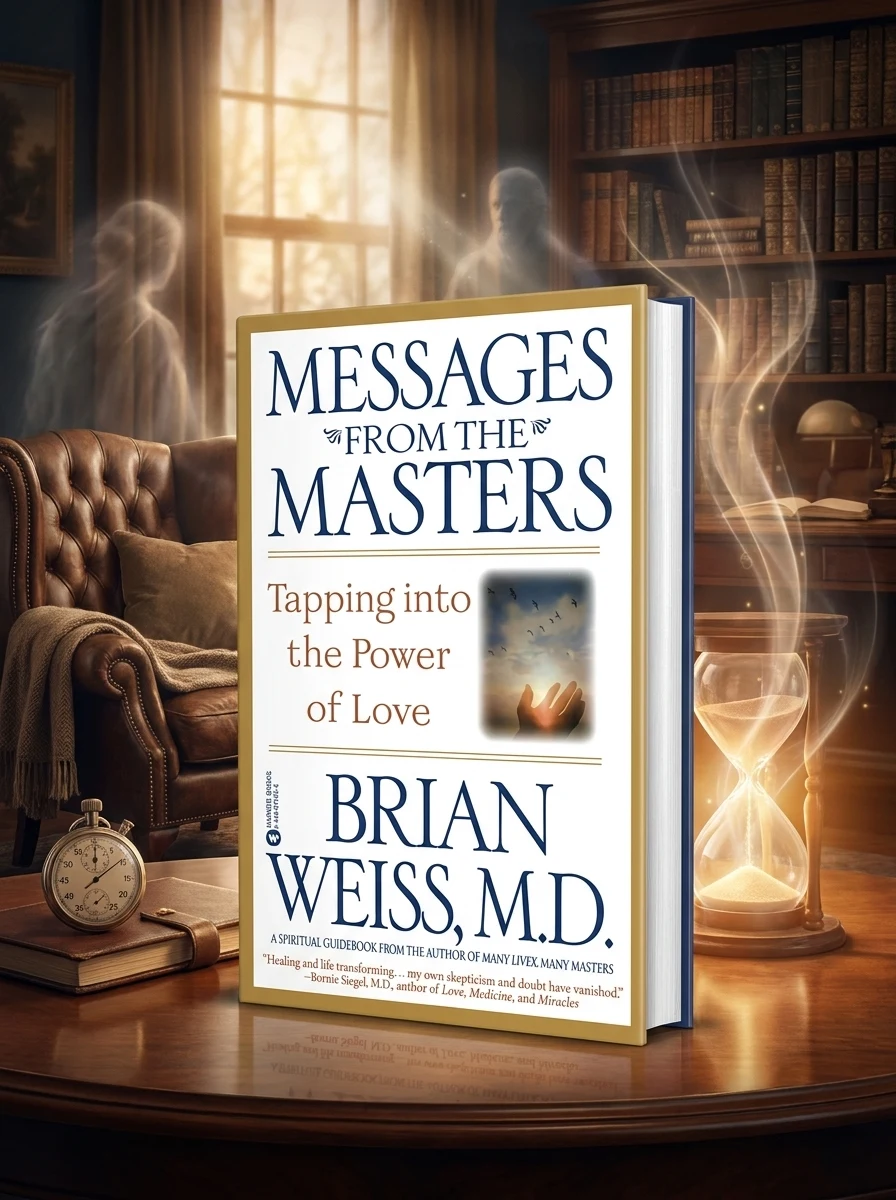
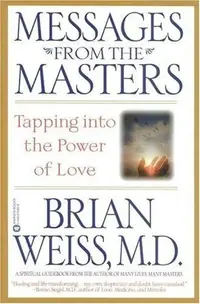
Messages from the Masters: Tapping Into the Power of Love
Weiss, BrianStock reported in the catalog; fulfillment is confirmed with your request.
A psychiatrist's skeptical journey transforms into spiritual awakening through past-life memories.
Dr. Brian Weiss begins as a rigid academic, deeply entrenched in conventional psychiatry, until a patient’s regression therapy shatters his materialist worldview. As she recalls traumatic memories from previous incarnations, the clinical distance collapses. The narrative shifts from medical curiosity to profound spiritual discovery when entities from the interlife space communicate directly with Weiss, revealing intimate details about his deceased son. This convergence of scientific rigor and metaphysical truth challenges the boundaries of mental health, suggesting that love transcends death and that healing requires addressing the soul’s historical wounds, not just the mind’s current symptoms.
This work sits at the intersection of late-twentieth-century New Age spirituality and parapsychology, reflecting a period where established scientific figures began publicly validating reincarnation theories. It bridges the gap between clinical psychiatry and metaphysical exploration, marking a shift toward integrating past-life regression with mainstream mental health discourse.


📝 Description: Messages from the Masters: Tapping Into the Power of Love
💎 Expert review
📖 Why choose it
Why this book is worth reading
Readers who feel that conventional medicine leaves emotional wounds unhealed will find profound comfort in this narrative. It is ideal for those curious about reincarnation but wary of dogmatic religious texts, as it offers a grounded, case-study approach to spiritual awakening. If you are seeking evidence that love transcends death and want to understand how past-life trauma impacts current mental health, this book provides a gentle, accessible entry point. It appeals to skeptics willing to expand their worldview through the lens of clinical observation rather than blind faith, offering hope that healing requires addressing the soul’s historical wounds alongside present symptoms.
⭐ Reader reviews
Reader rating
As someone who reads a lot in this field, I can be picky. The typesetting is comfortable for study, with good margins for notes.
I've read excerpts online before, but having the full text is different. Not a light read, but far more accessible than I feared. Recommended if you're ready to do the work.
Exactly what I was looking for. The symbolism is layered and generous to patient readers. My only regret is not ordering it sooner.
Exactly what I was looking for. The material is presented clearly and the structure makes it easy to revisit key passages. Definitely recommend.
Perfect companion for my morning study sessions. It reads better in small doses — a chapter at a time with notes. Glad I finally picked this up.
Took a chance on this and glad I did. The text itself is dense but rewarding — you get out what you put in. Solid binding, decent paper — holds up to heavy use. Already eyeing my next order.
Weiss presents a compelling narrative that challenges materialist psychiatry, yet it may frustrate readers who demand rigorous empirical proof over anecdotal evidence. The blend of clinical detachment and spiritual revelation is engaging for those open to metaphysical explanations, but it will likely feel unsubstantiated to strict rationalists or hardline skeptics. While the emotional core regarding his son is poignant, the argument relies heavily on subjective experience rather than objective data. It is best suited for readers already inclined toward esoteric beliefs who appreciate a psychiatrist’s perspective, rather than those seeking definitive scientific validation of reincarnation.
❓ Frequently asked questions
📖 Who should read this
Readers fascinated by the intersection of clinical psychology and metaphysics will find this compelling. It is ideal for skeptics open to evidence-based spirituality, those grieving lost loved ones, and anyone seeking validation that consciousness survives physical death.
🎯 Key themes and symbolism
Skepticism Meets Spirituality
Weiss meticulously documents his internal struggle, balancing empirical medical training with undeniable metaphysical evidence. He does not abandon science but expands its definition, showing how clinical observation can pivot toward spiritual understanding when confronted with phenomena that defy rational explanation.
The Healing Power of Love
The text posits that love is an eternal energy, not bound by physical death. By exploring how past-life traumas stem from severed connections, the book argues that reconnecting with this universal force is the ultimate mechanism for curing psychological distress and achieving inner peace.
Interlife Communication
Weiss explores the concept of a 'space between lives' where consciousness persists. Through his patient’s channeling, he receives guidance and messages that validate the continuity of identity, offering a structured framework for understanding near-death experiences and the nature of the afterlife beyond religious dogma.
💬 Quotes from the book
“Love is the ultimate healer, the most powerful force in the universe.”
“I was no longer a skeptic, but a believer in the power of the spirit.”
📜 Historical context
📚 Glossary
- Regression Therapy
- Interlife Space
- Past-Life Trauma
📔 Questions to reflect on
- What fears in your current life might stem from unresolved patterns in the past?
- How would your understanding of death change if consciousness were continuous rather than finite?
- In what ways can you actively cultivate the 'love' that transcends physical separation today?
✍️ More books by this author Weiss, Brian
All books by this author →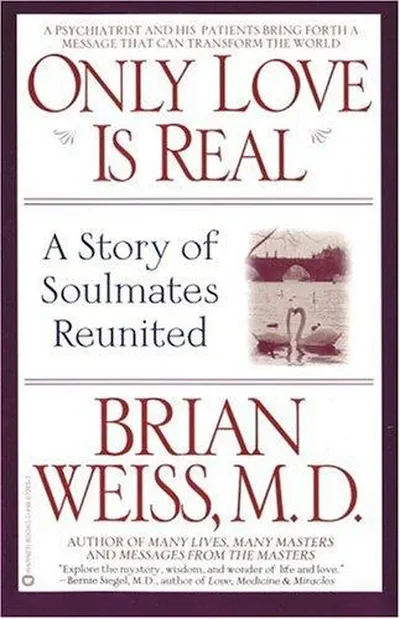
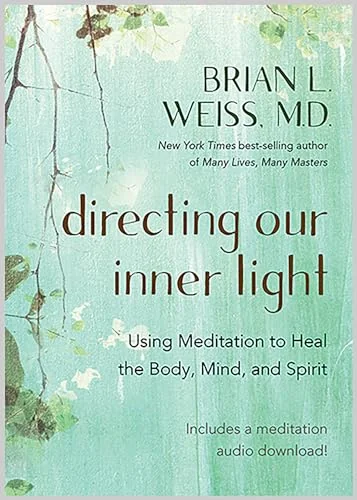
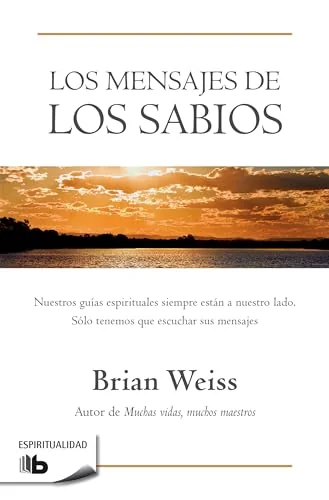



You might also like
See more →



 91
91