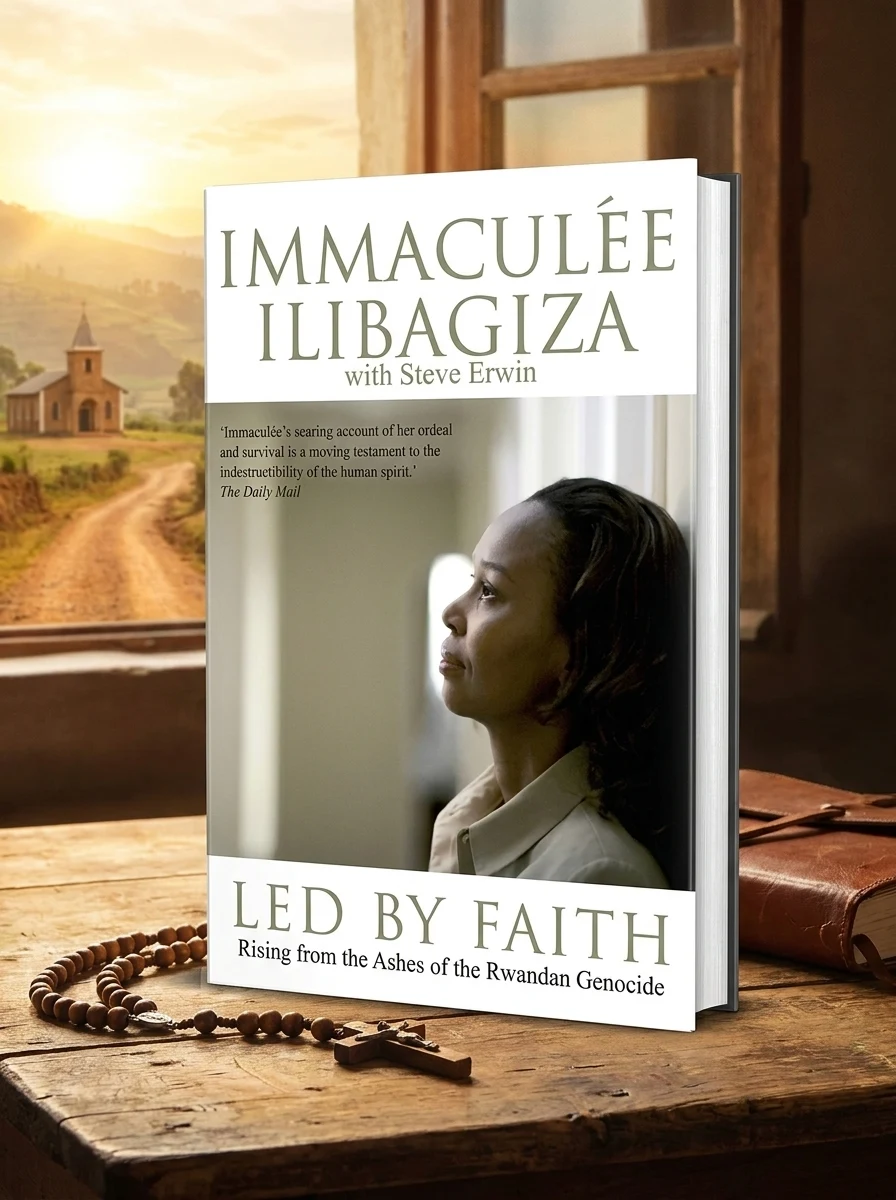
Led by Faith: Rising from the Ashes of the Rwandan Genocide
This edition can be ordered. No arrival date is confirmed.
Faith becomes a shield against horror in this haunting Rwandan genocide survival memoir.
Immaculée Ilibagiza returns to the harrowing landscape of 1994, picking up where her previous account left off. This narrative chronicles her post-genocide existence, navigating a shattered society where hatred still lingers. Orphaned and vulnerable, she faces new dangers while caring for countless children left behind by the slaughter. Her journey is not merely about physical survival but a profound spiritual quest to locate purpose amidst the ashes. Through her quiet resilience, she demonstrates how unwavering belief can sustain the human spirit when all other structures of safety have collapsed, guiding her toward healing and eventual relocation.
This work sits firmly within the genre of spiritual memoirs that intersect with contemporary African history, offering a deeply personal theological reflection on survival and faith in post-conflict societies.


📝 Description: Led by Faith: Rising from the Ashes of the Rwandan Genocide
💎 Expert review
📖 Why choose it
Why this book is worth reading
Readers seeking profound inspiration through the lens of unwavering spiritual conviction will find this narrative deeply moving. It is ideal for those who have experienced significant loss or trauma and are looking for a testament to the resilience of the human spirit under extreme duress. Individuals interested in the intersection of religious faith and historical tragedy, particularly within the context of Rwanda, will appreciate Ilibagiza’s quiet strength. This book offers comfort to anyone navigating their own 'ashes,' demonstrating how belief can provide structural support when all societal safety nets have collapsed. It is a powerful resource for those exploring healing, purpose, and the transformative power of compassion in the face of unimaginable horror.
⭐ Reader reviews
Reader rating
This has been on my wishlist for months. The typesetting is comfortable for study, with good margins for notes. My only regret is not ordering it sooner.
Ilibagiza’s account serves as a potent spiritual guide rather than a historical analysis. While her message of faith-driven resilience is compelling for believers, it may feel overly simplified or emotionally distant to readers seeking gritty political context or secular humanist perspectives on the genocide. Those expecting detailed factual reporting or critical sociological examination will likely find this narrative too focused on internal theology and personal healing. It is best suited for an audience already aligned with her Christian worldview, who view suffering through a redemptive spiritual framework rather than a purely historical or political one.
❓ Frequently asked questions
📖 Who should read this
Readers interested in theological resilience, post-conflict recovery, and stories of human endurance. It appeals to those seeking inspiration from non-fiction that bridges the gap between spiritual devotion and stark historical reality.
🎯 Key themes and symbolism
Spiritual Resilience
The text explores how deep religious conviction acts as an anchor during existential terror. Ilibagiza illustrates that faith is not passive but an active force that provides psychological armor, allowing the soul to endure atrocities that would otherwise break the mind, transforming suffering into a pathway for divine connection.
Orphaned Compassion
A central motif is the protagonist’s role as a caregiver to traumatized children. She extends the mercy she received to others, creating micro-communities of safety. This theme highlights how empathy can persist even in the most desolate environments, serving as a counter-narrative to the genocide’s intent to destroy human connection.
Navigating Hostility
The book details the precarious reality of living among former perpetrators. It examines the psychological toll of proximity to violence and the constant vigilance required for safety. The narrative underscores the difficulty of finding love and companionship in a land where trust has been systematically obliterated by state-sponsored hatred.
💬 Quotes from the book
“She navigates a bleak world with only abiding faith to guide her.”
“Searching for love in a land where hatred still flourishes.”
📜 Historical context
📚 Glossary
- Genocide Aftermath
- Spiritual Armor
- Orphaned Children
📔 Questions to reflect on
- What internal resources do you rely on when external support systems fail?
- How might empathy persist in environments designed to destroy human connection?
- In what ways can personal tragedy become a catalyst for broader compassion?
🏛 Books from this publisher Hay House LLC
All books from this publisher →







You might also like
See more →



 91
91