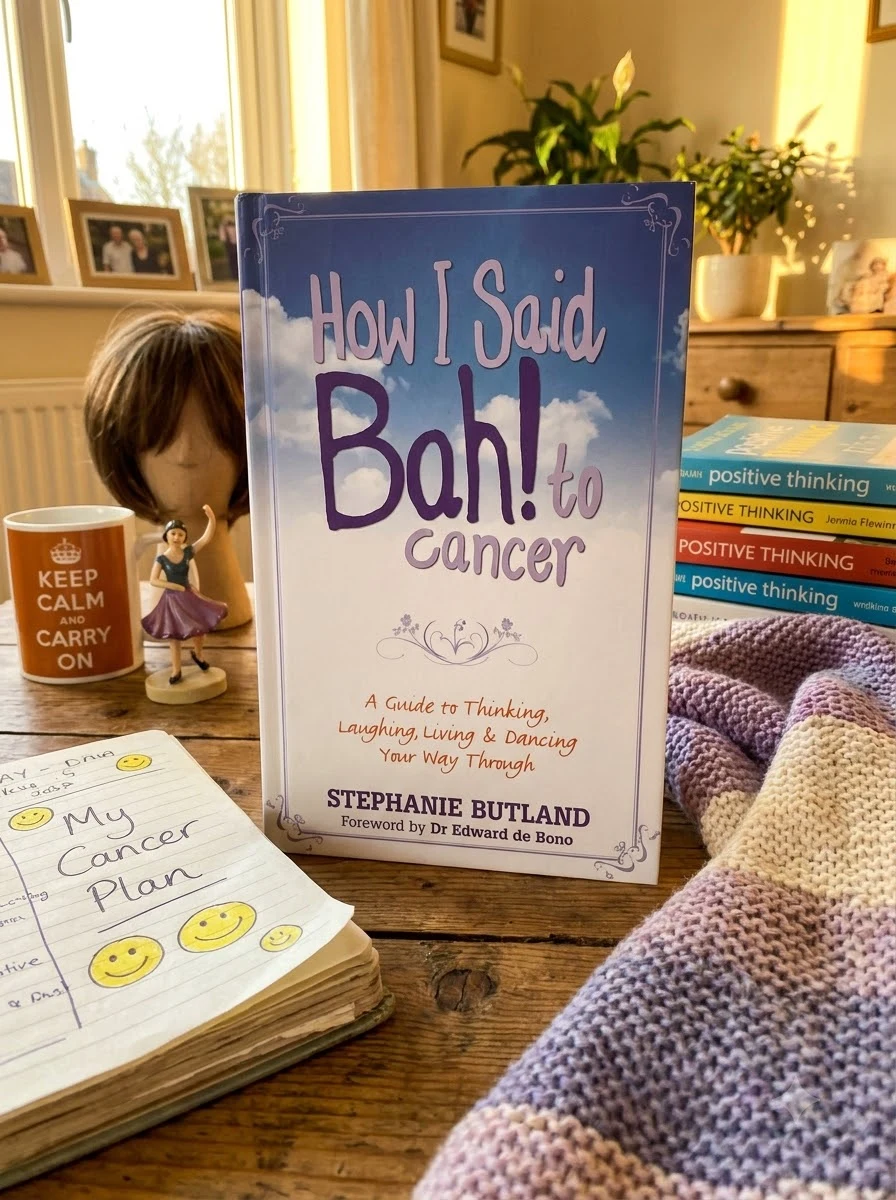
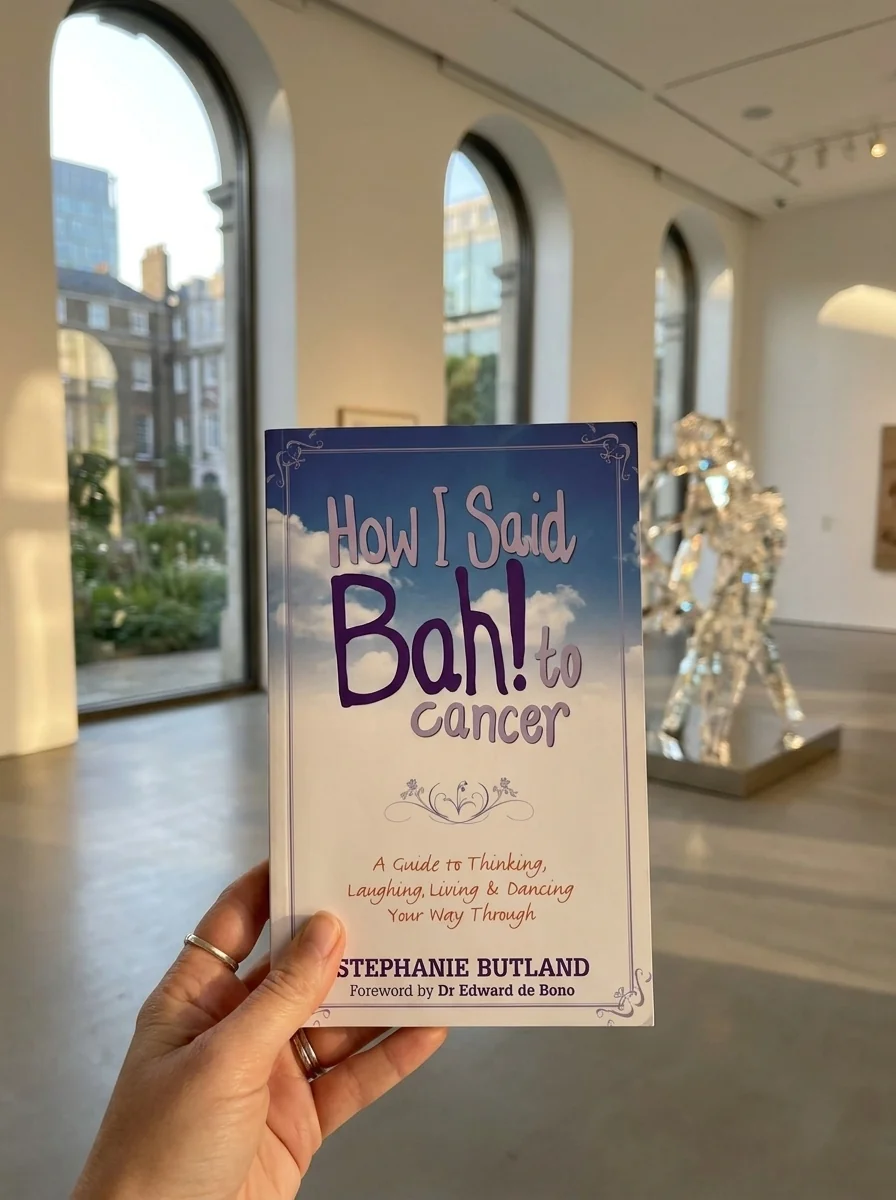

How I Said Bah! to Cancer
Stephanie Butland shares her proactive mental strategies for facing a cancer diagnosis.
This volume documents Butland’s refusal to be defined by her illness. She outlines specific cognitive techniques used to manage fear and uncertainty. The narrative highlights her commitment to maintaining routine and finding laughter in dark moments. Her method involves active participation in her treatment decisions rather than passive acceptance. The text avoids mystical explanations, focusing instead on psychological tools and personal resolve. Butland illustrates how humor can serve as a vital coping mechanism. She describes the process of keeping life moving forward despite medical interruptions. The book provides a clear example of how attitude shapes the patient experience. It is suitable for those valuing practical self-help over spiritual guidance. The author’s background in writing informs her clear and honest storytelling style.
Published by Hay House in September 2011, this paperback fits within the self-help genre. It addresses general health care delivery through a personal narrative lens. The work reflects early twenty-first century trends in patient empowerment and mental resilience.


📝 Description: How I Said Bah! to Cancer
💎 Expert review
📖 Why choose it
Why this book is worth reading
Readers seeking a raw, unvarnished look at the psychological terrain of illness will find profound comfort in this narrative. It is ideal for those who feel alienated by sterile medical advice or saccharine inspirational tropes. Stephanie Butland offers a refreshing alternative to passive acceptance, demonstrating how humor can serve as a potent shield against despair. Those navigating their own oncological journeys, or supporting loved ones through them, will appreciate the validation of feeling angry, absurd, and human. The book empowers individuals to reclaim agency, proving that one can face mortality with irreverent engagement rather than silent suffering.
⭐ Reader reviews
Reader rating
Bought this as a gift for my sister and ended up ordering a second copy for myself. You can tell why this work has endured. The ideas are old but land with surprising force today.
Honestly wasn't sure what to expect, but I'm impressed. It connects ideas I'd only seen treated separately elsewhere. It rewards patience more than any book I've bought this year. Five stars from me.
Came across this title in a footnote and had to track it down. A text you study rather than simply read. It connects ideas I'd only seen treated separately elsewhere. Shipping was quick too.
Arrived faster than expected and well packaged. Some chapters demand a slow, careful read, and that's exactly the point. The material is presented clearly and the structure makes it easy to revisit key passages. The font runs small in the appendices. Recommended with reservations.
Ordered this after seeing it referenced in another book I was studying. I found myself reading passages aloud just to sit with them. Deserves a place on any esoteric bookshelf.
Been hunting for a decent copy of this text for ages. The print is clean and easy on the eyes for long sessions. Every rereading turns up something I missed. Delivery took a bit longer than quoted. Happy enough with the purchase.
Butland’s manifesto is a brilliant, witty counter-narrative to traditional cancer literature. It succeeds in validating the anger and absurdity often suppressed in favor of 'positive thinking.' However, readers seeking detailed clinical insights or gentle, comforting solace may find its tone too sharp or its approach too aggressive. It is not for those who prefer sanitized accounts of illness devoid of cynicism. The book demands a reader comfortable with dark comedy and psychological intensity. While it offers powerful tools for mental resilience, its irreverent edge might alienate those expecting a more conventional, respectful silence around the subject of death.
❓ Frequently asked questions
📖 Who should read this
Readers seeking candid, non-sentimental narratives about illness who appreciate wit over pity. Ideal for those navigating their own health crises or supporting loved ones through medical trauma.
🎯 Key themes and symbolism
Mental resilience
Dark humor
Patient agency
📜 Historical context
📚 Glossary
- Agency
- Oncological trauma
- Levity
📔 Questions to reflect on
- When faced with an uncontrollable situation, how do you currently assert your sense of agency?
- In what ways can humor serve as a protective shield against anxiety during difficult times?
- Reflect on a time when you refused to let a label define your entire identity.
📖 Read on the blog
🏛 Books from this publisher Hay House
All books from this publisher →





You might also like
See more →



Have a question about this item?
Ask about the edition, condition, delivery or anything else — we reply by email or phone, usually within a day.
