


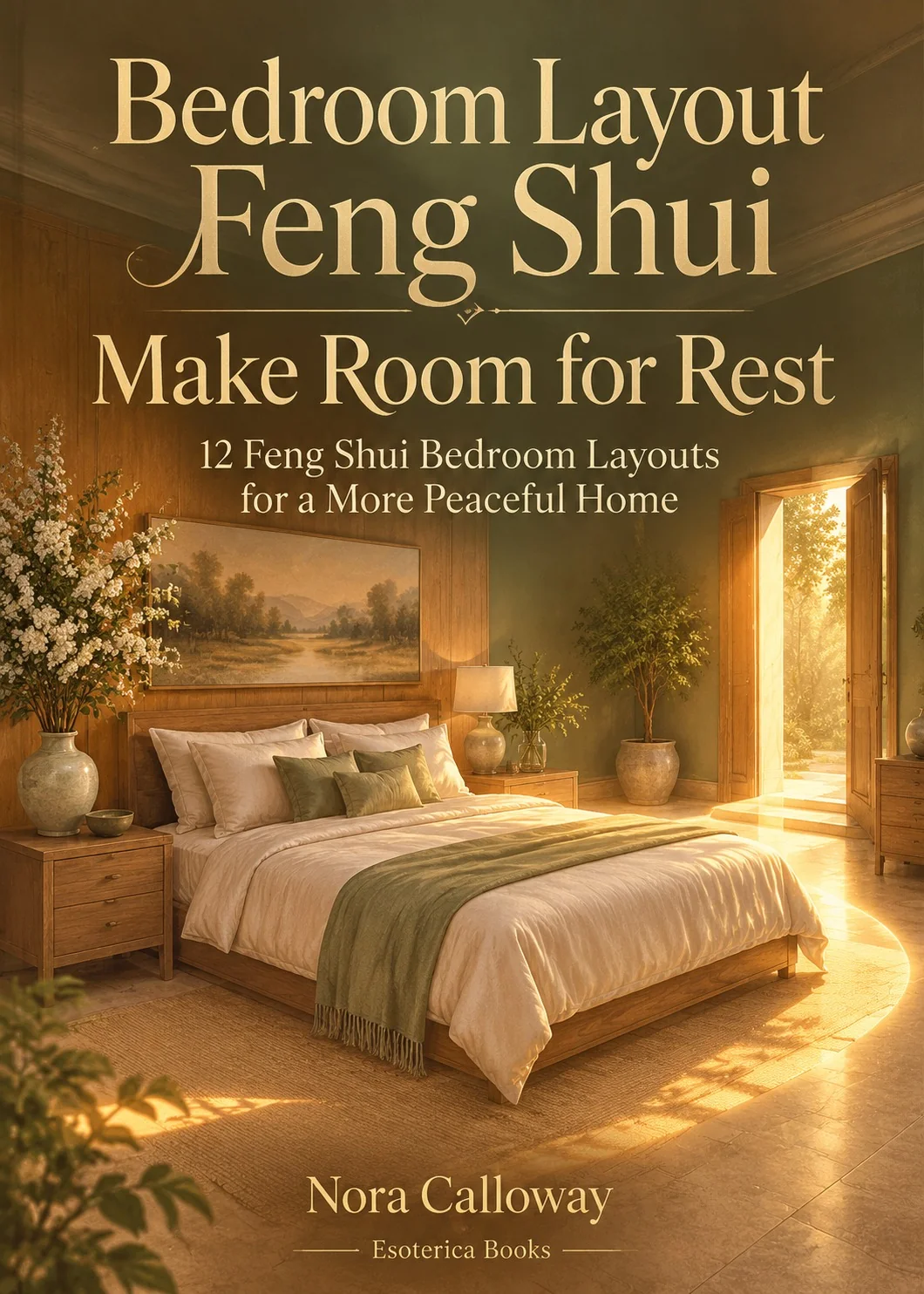
Feng Shui for the Bedroom: Find Your Bed's Best Place
Find your bed's best place with the Restful Room Compass method.
This guide uses the Restful Room Compass to help you position your bed for balance and stability. You will learn to identify the commanding view of the door, support your headboard against a solid wall, and harmonize the room with compass directions and the five elements. The book addresses difficult layouts, small spaces, and shared master bedrooms, offering concrete steps to refine your sleeping environment through intentional placement and thoughtful adjustments.
The text draws on traditional feng shui principles of spatial harmony and qi flow, presenting them as a framework for environmental balance rather than mystical intervention. It respects the tradition's focus on stability and support while adapting it for modern living spaces.
📝 Description: Feng Shui for the Bedroom: Find Your Bed's Best Place
📖 Why choose it
Why this book is worth reading
You will gain a clear, step-by-step method for placing your bed in the most supportive spot, even when your room’s architecture seems to fight against it. The Restful Room Compass turns abstract principles into concrete actions: mapping sightlines, choosing solid walls, and balancing bedside items. You will learn to work with windows, mirrors, and compass directions to create a bedroom that feels grounded and inviting. This approach offers practical solutions for difficult layouts, helping you build a personalized blueprint that honors both tradition and your home’s unique character.
⭐ Reader reviews
Reader rating
This preview offers a practical, grounded approach to bedroom design using traditional feng shui principles. The Restful Room Compass method is clearly explained, with concrete steps for assessing sightlines, supporting the headboard, and balancing bedside elements. The 12-minute walk provides immediate value, guiding readers through specific checks like mirror placement and window treatments. However, the preview focuses heavily on standard layouts and does not deeply address highly complex architectural constraints like sloped ceilings or multiple doors in the same detail as the full text promises. It is a solid start for beginners but may feel basic to those already familiar with spatial design.
❓ Frequently asked questions
📖 Who should read this
Readers with awkward bedroom layouts or those seeking a structured approach to traditional feng shui principles without complex theory. It is ideal for homeowners and renters looking to improve their sleeping environment through practical design adjustments.
🎯 Key themes and symbolism
Bed Placement
Commanding Position
Five Elements
Spatial Harmony
📜 Historical context
📚 Glossary
- Qi
- Commanding Position
- Five Elements
- Headboard
📔 Questions to reflect on
- How does your current bed position make you feel when you wake up, and what specific architectural features support or hinder that feeling?
- Which of the five elements (Wood, Fire, Earth, Metal, Water) is most missing from your bedroom, and how could you introduce it through color or shape?
- If you had to change one thing about your bedside arrangement to create more balance, what would it be and why?
📖 Read on the blog
✍️ More books by this author Nora Calloway







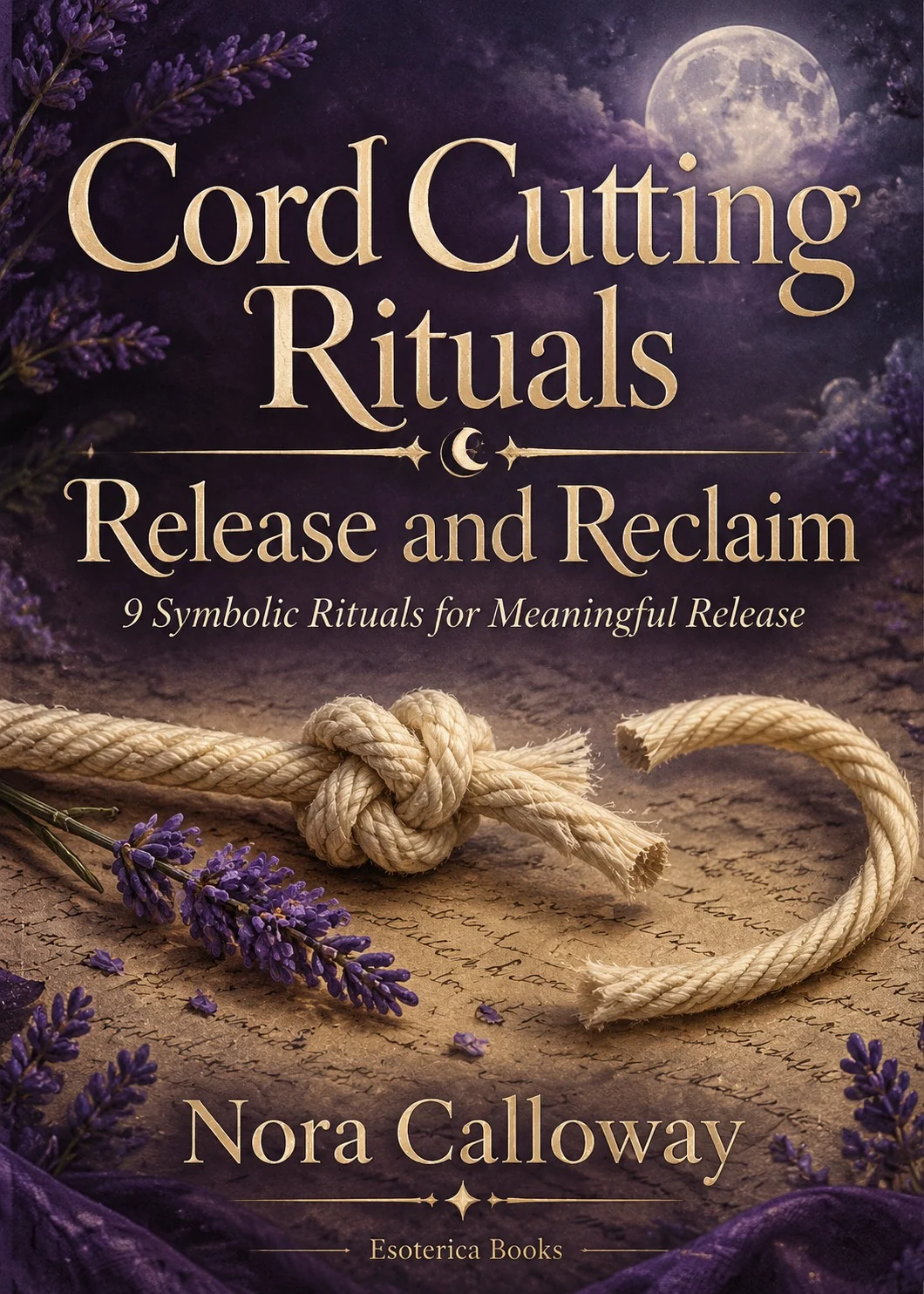


🏛 Books from this publisher Esoterica Books
All books from this publisher →







You might also like
See more →







Have a question about this item?
Ask about the edition, condition, delivery or anything else — we reply by email or phone, usually within a day.
