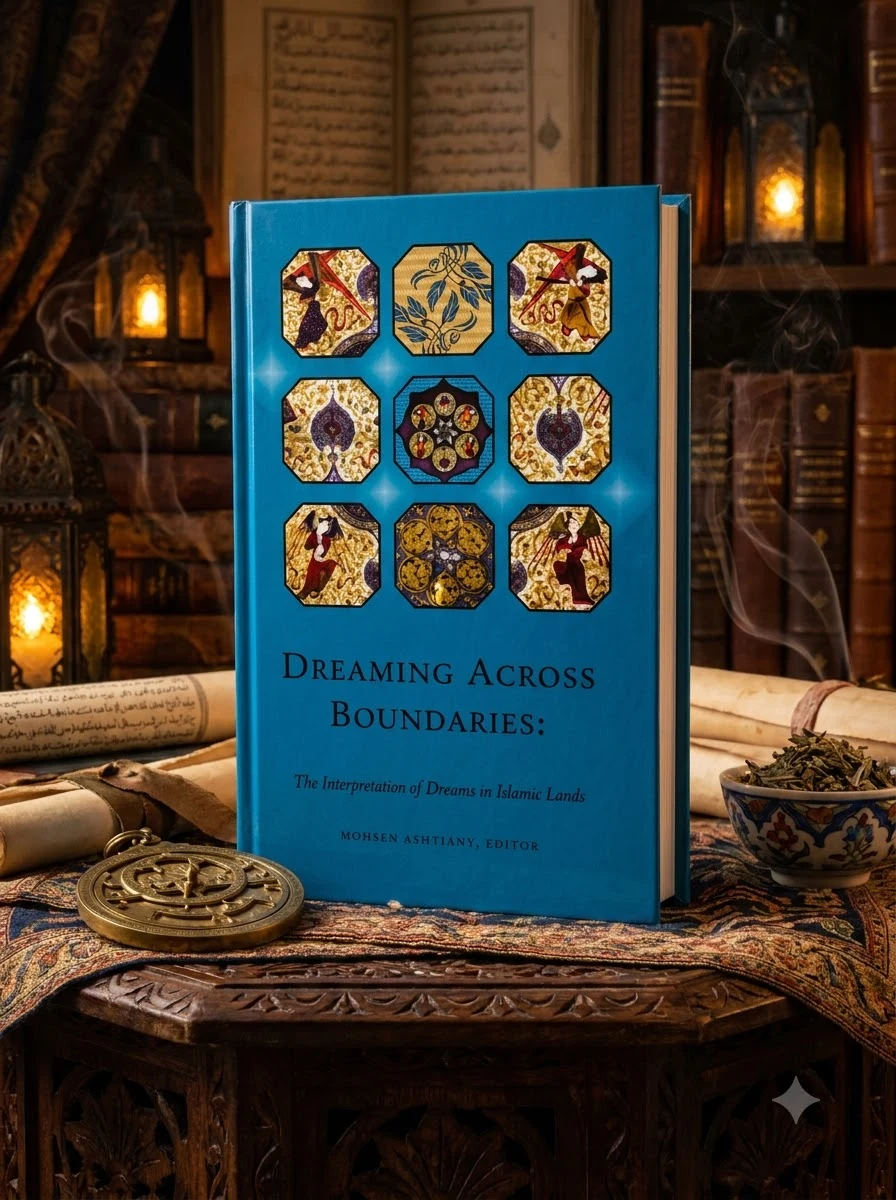
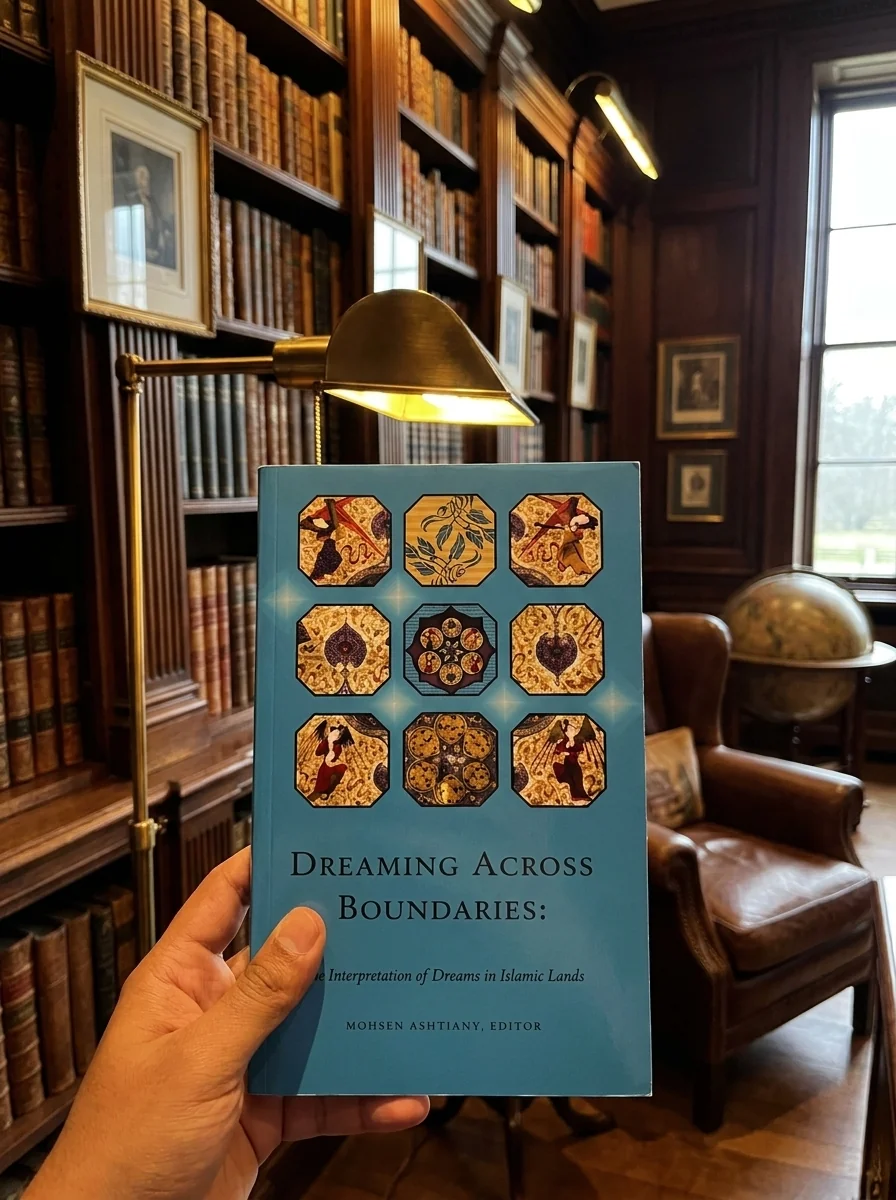
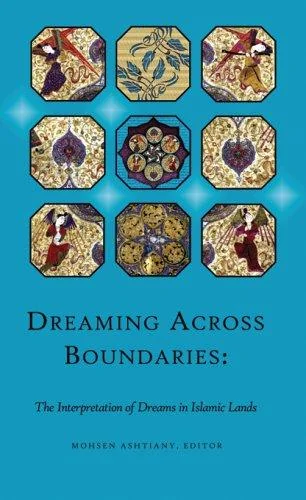
Dreaming Across Boundaries: The Interpretation of Dreams in Islamic Lands
Currently unavailable
This book is sold out right now. Leave your email — we'll let you know if it comes back, and you'll get 10% off any book today.
In stock now — readers of this book also loved:








This seminal collection delves into the rich tapestry of dream interpretation across pre-modern Islamic cultures. From the Prophet Muhammad's designation of dreams as a channel for prophecy to their instrumental use in legitimizing rulers and theological arguments, this volume uncovers their multifaceted significance. It challenges conventional views by highlighting individual dream accounts that reveal self-awareness and spiritual journeys, presenting a comprehensive look at how dreams were understood and utilized in society, bridging theology, politics, and personal experience across diverse regions.


📝 Description: Dreaming Across Boundaries: The Interpretation of Dreams in Islamic Lands
📑 What's inside
- Foreword / Richard W. Bulliet
- Acknowledgments
- Note on Transliteration
- Abbreviations
- Introduction / Louise Marlow
- Qur'an and Hadith: A Struggle for Supremacy as Reflected in Dream Narratives / Leah Kinberg
- How Aristotle Came to Believe in God-given Dreams: The Arabic Version of De divinatione per somnum / Rotraud E. Hansberger
- An Early Muslim Autobiographical Dream Narrative: Abu Ja'far al-Qayini and His Dream of the Prophet Muhammad / John C. Lamoreaux
- Self-Reflection and Conversion in Medieval Muslim Autobiographical Dreams / Hagar Kahana-Smilansky
- The Dream as a Narrative Device in the Shahnama / Olga M. Davidson
- The Poor Man's Prophecy: Al-Ghazali on Dreams / Eric Ormsby
- The Significance of Dreams and Dream Interpretation in the Qur'an: Two Sufi Commentaries on Surat Yusuf / Mohammad J. Mahallati
- The Image of 'Ali b. Abi Talib in the Dreams of Visitors to His Tomb / Khalid Sindawi
- Dream Accounts in the Chronicles of the Mamluk Period / Yehoshua Frenkel
- The Dreams of Shaykh Safi al-Din in Late Safavid Chronicles / Sholeh A. Quinn
- Images for Foretelling: Two Topkapi Falnamas / Serpil Bagci
- Dreams in the Manaqib of a Moroccan Sufi Shaykh: 'Abd al-'Aziz al-Dabbagh (d. 1131/1719) / Jonathan G. Katz
- Contributors
- Index of Subjects and Terms
- Index of Names, Places, and Works
💎 Expert review
📖 Why choose it
Why this book is worth reading
Scholars of theology, historians of the Middle East, and students of comparative religion will find immense value in this seminal collection. It offers a rare window into how dreams shaped individual identity and statecraft in pre-modern Islamic societies. Readers interested in the intersection of spirituality and politics will appreciate the detailed analysis of how dream accounts were used to legitimize rulers and argue theological points. The book challenges conventional views by highlighting personal self-awareness, making it essential for those seeking a nuanced understanding of cultural history beyond political narratives alone.
⭐ Reader reviews
Reader rating
This academic anthology is dense with scholarly rigor, focusing on pre-modern Islamic lands rather than offering accessible mysticism. It is unsuitable for casual readers seeking practical dream interpretation guides or light spiritual reading. The text requires patience and background knowledge in Islamic studies to fully grasp the nuanced arguments regarding prophecy and political legitimacy. While comprehensive, its academic tone may alienate those looking for personal anecdote over historical analysis. However, for serious researchers, it provides an unparalleled deep dive into the multifaceted significance of dreams in shaping society and theology.
❓ Frequently asked questions
📖 Who should read this
If you're fascinated by the intersection of spirituality, history, and the human psyche, this book is for you. Scholars of Islamic studies, cultural historians, or anyone seeking a deeper understanding of dreams beyond modern psychology will find its insights invaluable.
🎯 Key themes and symbolism
Dreams as Prophecy
The book meticulously examines the theological weight placed upon dreams, particularly following the Prophet Muhammad's teachings. It explores how 'true dreams' became a unique conduit for divine insight post-prophethood, and the extensive scholarly debates surrounding their interpretation and authenticity within Islamic jurisprudence and spiritual traditions throughout history.
Political & Social Influence
Discover how dreams were not merely personal phenomena but potent tools in the political landscape. This work illuminates instances where royal dreams justified dynastic changes and how theological factions leveraged dream accounts to bolster their arguments, illustrating the profound impact dreams had on governance and societal structures across the Near East and North Africa.
Individual vs. Collective
Challenging the notion that dreams were solely stylized reflections of social norms, this volume foregrounds personal narratives. It presents compelling evidence of individual self-expression, unique spiritual development, and deep introspection found within dream reports, offering a nuanced perspective on the private world of dreamers amidst broader cultural conventions.
📜 Historical context
📚 Glossary
- True Dreams (Ru'ya Sadiqa)
- De divinatione per somnum
- Oneiromancy
📔 Questions to reflect on
- Reflect on a dream you've had that felt significant. How might it have been interpreted within the theological or political frameworks discussed in this book?
- Consider the balance between societal norms and individual expression in your own culture. How do dreams, or other personal experiences, challenge or reinforce these boundaries today?
- If dreams were still considered a primary channel for prophecy or political justification, how might contemporary society be different? What ethical considerations would arise?
You might also like
See more →




Have a question about this item?
Ask about the edition, condition, delivery or anything else — we reply by email or phone, usually within a day.
