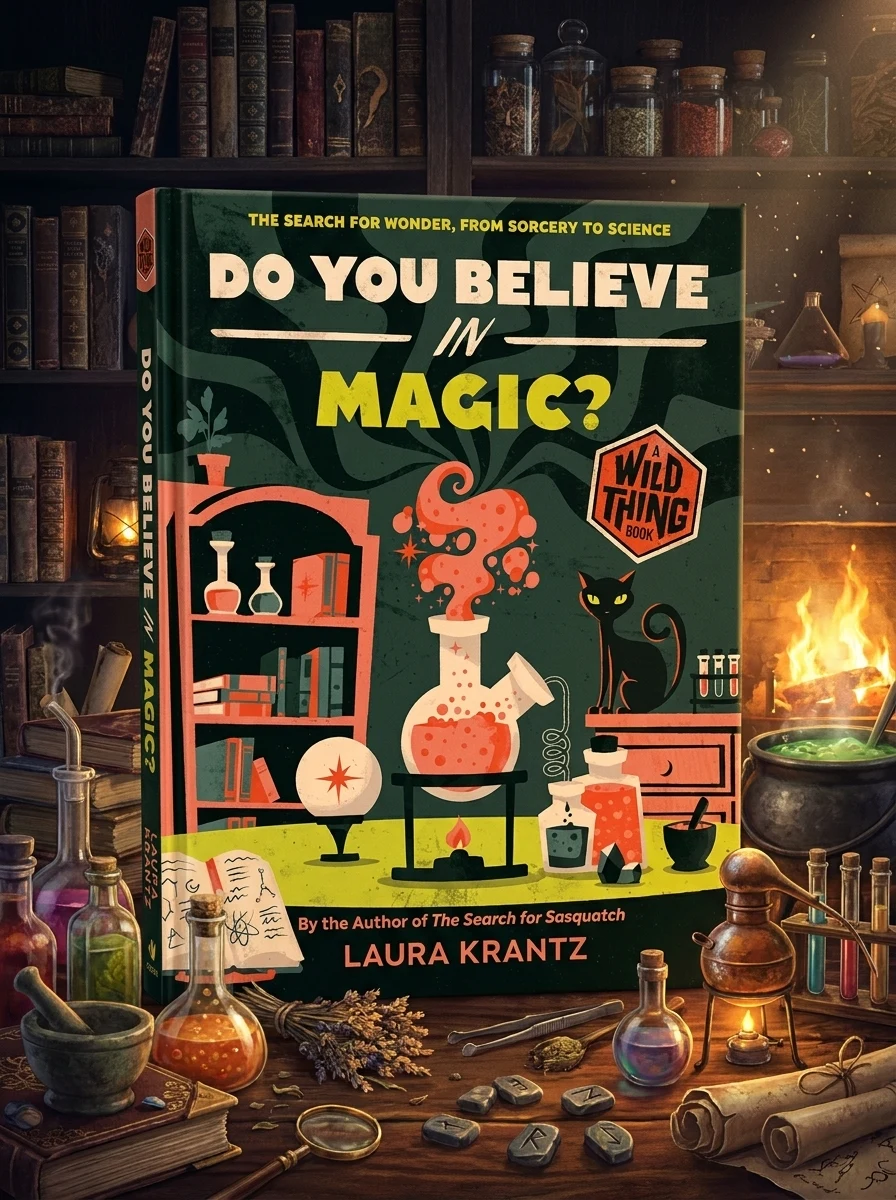
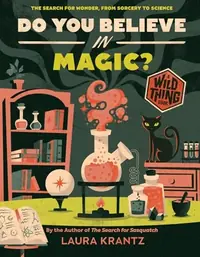
Do You Believe in Magic? (a Wild Thing Book): The Search for Wonder, from Sorcery to Science Krantz, Laura
Krantz, LauraThis edition can be ordered. No arrival date is confirmed.
Unravel the ancient threads where sorcery and scientific inquiry intertwine.
Laura Krantz, drawing from her "Wild Thing" podcast, embarks on a captivating investigation into the true nature of magic. This volume delves beyond mere fantasy, exploring historical practices from alchemical pursuits to protective rituals and potent curses. It meticulously uncovers the surprising connections between what we once called magic and the foundational principles of modern scientific fields like chemistry and astronomy. Krantz applies a journalistic approach, dissecting how ancient beliefs and practices have profoundly shaped human culture and our understanding of the natural world, bridging the mystical with the methodical.
This volume bridges the historical gap between ancient esoteric practices and the emergence of modern scientific inquiry, positioning itself within the tradition of popular history that demystifies the origins of human knowledge.


📝 Description: Do You Believe in Magic? (a Wild Thing Book): The Search for Wonder, from Sorcery to Science Krantz, Laura
💎 Expert review
📖 Why choose it
Why this book is worth reading
Readers fascinated by the intersection of mysticism and empirical observation will find this book a delightful exploration. It appeals to those who enjoy journalistic investigations into how ancient beliefs shaped our current understanding of the natural world. Ideal for casual learners, it offers accessible insights into alchemy, astronomy, and protective rituals without requiring prior academic expertise. Those seeking to understand the cultural threads connecting sorcery to modern chemistry will appreciate the clear, engaging narrative that makes complex historical connections feel immediate and relevant.
⭐ Reader reviews
Reader rating
Krantz effectively demystifies the past by linking ancient magical practices to the foundations of science. However, this approach may disappoint readers seeking deep, scholarly analysis or those who prefer strict adherence to established academic historiography over journalistic storytelling. It is not suitable for experts looking for rigorous primary source critiques. Instead, it serves as an engaging entry point for novices curious about how curiosity evolved from ritual to method. The tone is light and accessible, making it a pleasant read for general audiences, though it lacks the depth required for serious researchers in occult history.
❓ Frequently asked questions
📖 Who should read this
For the curious seeker, the budding alchemist, or anyone who's ever wondered if there's more to "magic" than fantasy. This book offers a compelling introduction to how ancient esoteric practices laid foundations for our modern scientific world.
🎯 Key themes and symbolism
Magic's Scientific Roots
This book brilliantly excavates how many magical practices were early forms of scientific inquiry. From alchemists experimenting with transmutations to herbalists understanding plant properties, it reveals how ancient sorcery often laid the groundwork for modern chemistry, botany, and even astronomy, blurring the lines between mystical understanding and empirical observation.
Cultural Impact of Sorcery
Explore the profound and enduring role magic has played throughout human history across diverse cultures. The text examines how spells, curses, and rituals weren't just superstitions but integral parts of societal structures, belief systems, and even legal frameworks, influencing everything from daily life to grand historical narratives.
Bridging Wonder and Reason
Krantz masterfully navigates the tension and synergy between the human desire for wonder and the pursuit of rational understanding. She investigates how our fascination with the extraordinary has evolved from primal incantations to systematic scientific method, illustrating that the quest to comprehend and influence the world remains a constant.
💬 Quotes from the book
“Consider the alchemist, not as a charlatan, but as an early chemist, meticulously experimenting with elements in a quest that transcended mere greed.”
“The line between a healing potion and a botanical remedy was often blurred, a testament to humanity's enduring quest to harness nature's hidden powers.”
📜 Historical context
📚 Glossary
- Alchemy
- Rituals
- Curses
📔 Questions to reflect on
- How does understanding the historical connection between magic and science change your perception of both fields?
- Reflect on a "magical" belief or practice from your own culture or personal history. How might it connect to underlying natural phenomena or psychological principles?
- If you were to apply the "scientific method" to a modern superstition, what would be your hypothesis and initial steps?
📖 From the series “Wild Thing”
All books in the series →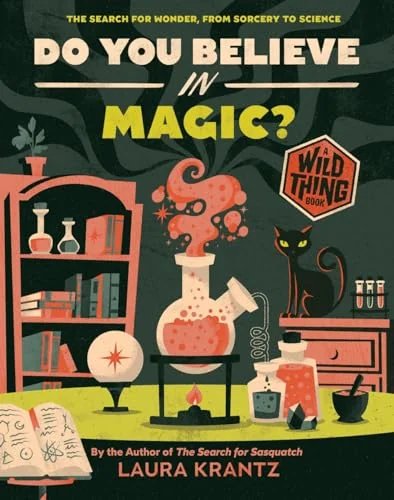
✍️ More books by this author Krantz, Laura
All books by this author →You might also like
See more →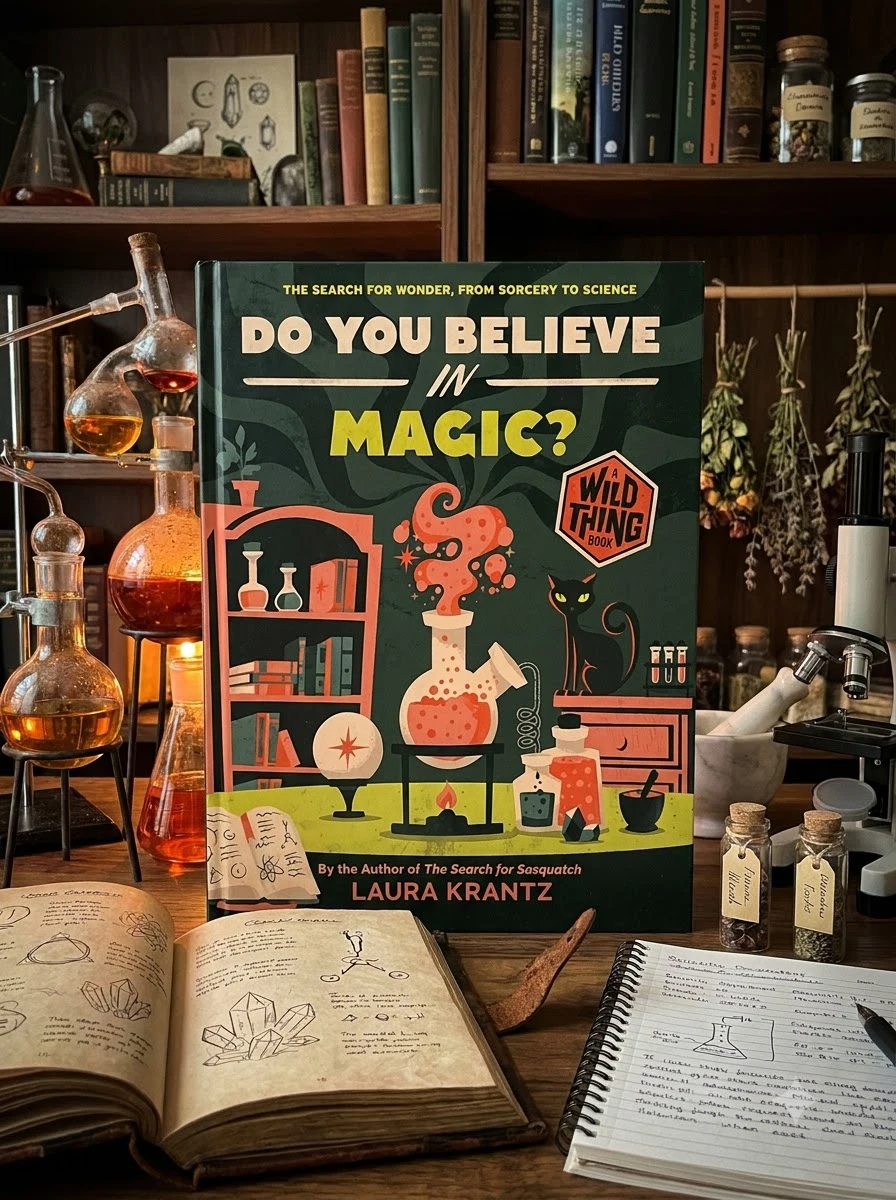




 91
91