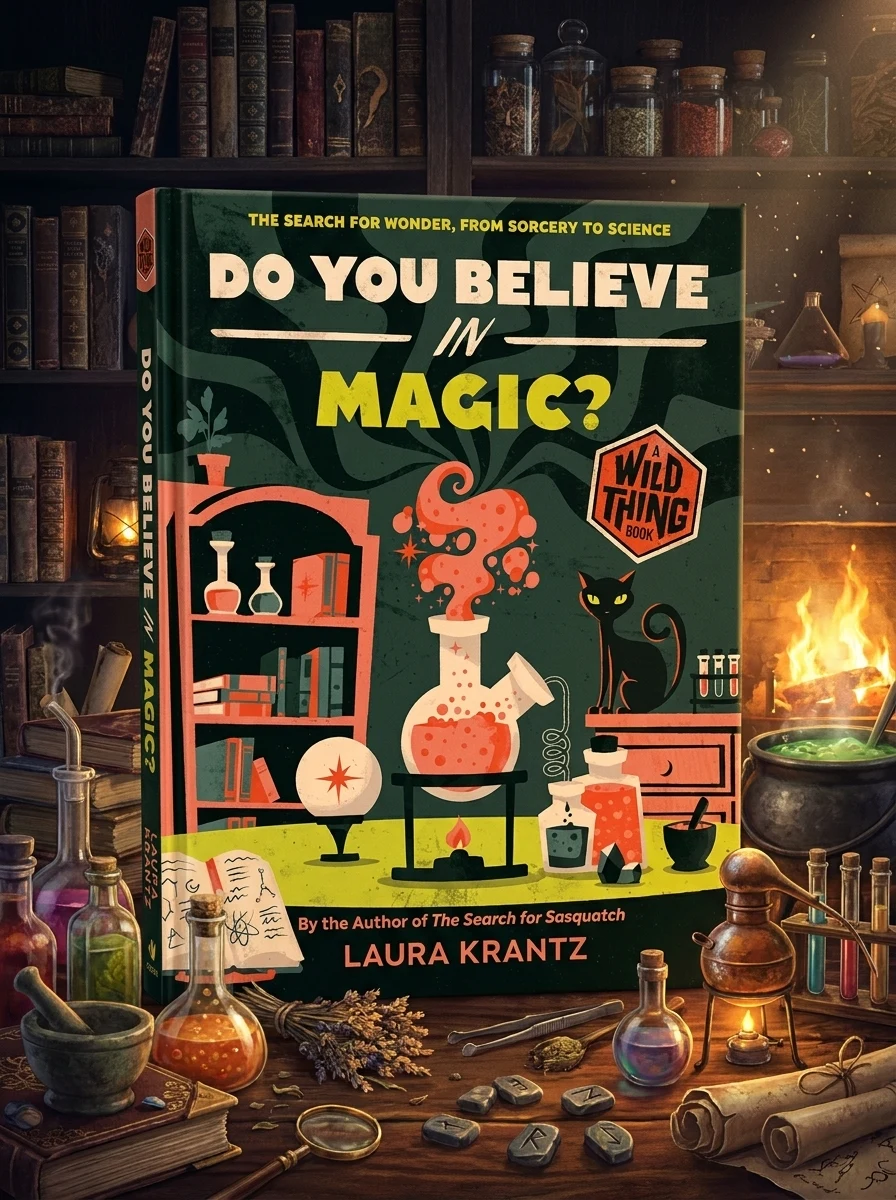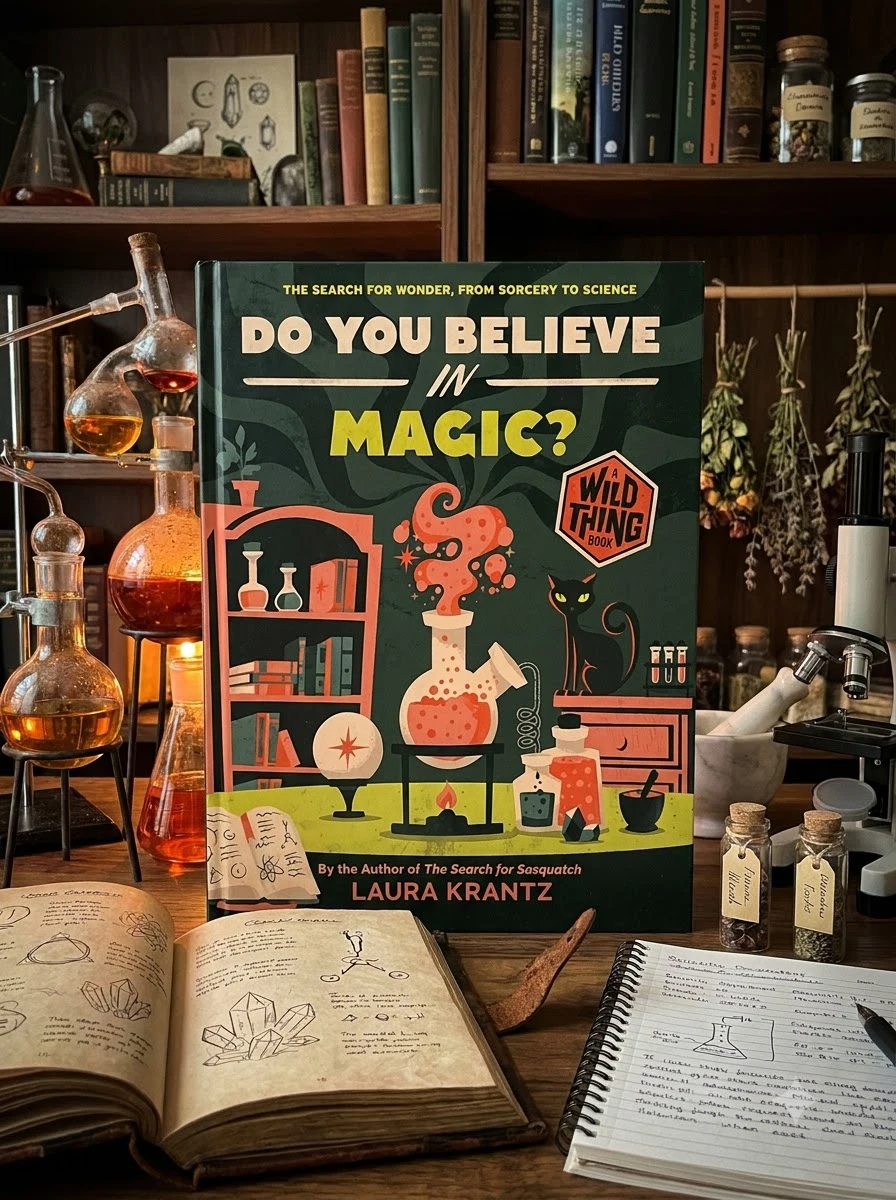
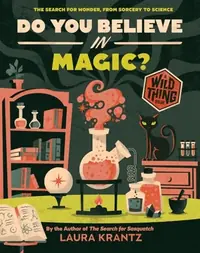
Do You Believe in Magic? (a Wild Thing Book): The Search for Wonder, from Sorcery to Science Krantz, Laura
Krantz, Laura

Stock reported in the catalog; fulfillment is confirmed with your request.
Uncover the surprising truth: ancient magic often paved the way for modern science.
Journalist Laura Krantz embarks on a fascinating quest, using her keen investigative skills to explore the historical and cultural underpinnings of what we call 'magic.' From the alchemical dreams of transforming lead to gold to the protective power of ancient curses, Krantz delves into humanity's enduring fascination with the unseen and unexplained. She reveals how many seemingly magical practices were, in fact, early forms of scientific inquiry, laying the groundwork for chemistry, botany, and astronomy. This book invites readers to critically examine the thin veil between mystical belief and empirical discovery, encouraging a deeper appreciation for wonder through a scientific lens.
This work resides within the tradition of popular science history and esoteric studies, bridging the gap between ancient mystical practices and the emergence of modern empirical inquiry. It explores the cultural underpinnings of magic by examining how early alchemical and botanical pursuits laid the groundwork for contemporary scientific disciplines.


📝 Description: Do You Believe in Magic? (a Wild Thing Book): The Search for Wonder, from Sorcery to Science Krantz, Laura
💎 Expert review
📖 Why choose it
Why this book is worth reading
This book is ideal for curious minds who appreciate the intersection of history, science, and spirituality. Readers interested in the origins of chemistry, botany, or astronomy will find it illuminating to see how ancient sorcery evolved into systematic inquiry. It appeals to those seeking wonder through a rational lens, offering a refreshing perspective that honors mystical traditions while highlighting their role in scientific progress. If you enjoy investigative journalism that demystifies the past without diminishing its magic, this title provides a compelling narrative of human ingenuity and the enduring quest for understanding the unseen.
⭐ Reader reviews
Reader rating
Krantz delivers an engaging journalistic exploration of how ancient magical practices inadvertently fostered modern science. The narrative effectively traces the lineage from alchemy to chemistry, making it accessible and intellectually stimulating for general readers. However, those seeking rigorous academic analysis or strictly supernatural validation may find the scientific lens too reductive or dismissive of mystical experience. It is not suited for hardline skeptics who reject any historical value in occultism, nor for traditionalists who view the separation of magic and science as a loss rather than an evolution. A solid choice for those open to reevaluating the boundaries between wonder and empirical discovery.
❓ Frequently asked questions
📖 Who should read this
If you're a curious seeker intrigued by the blurred lines between ancient belief and modern discovery, or if you enjoy unraveling historical mysteries with a critical yet open mind, this book is for you. It's an excellent entry point for young minds eager to explore the world's hidden connections.
🎯 Key themes and symbolism
Magic's Scientific Genesis
This work meticulously illustrates how many practices once deemed 'magic' were crucial precursors to established scientific disciplines. From the alchemist's forge inspiring chemistry to the astrologer's sky-gazing leading to astronomy, Krantz highlights the often-overlooked lineage connecting ancient esoteric knowledge with the rigorous methodologies of modern science, revealing wonder in the origins of discovery.
Cultural Resonance of Wonder
The book explores how the human drive for understanding and influencing the world manifested across diverse cultures through spells, rituals, and superstitions. Krantz emphasizes that this universal quest for control over nature, love, or destiny is not merely fantastical, but deeply rooted in our collective history, reflecting humanity's perpetual search for meaning and agency in a mysterious world.
Investigating the Unseen
Employing a journalist's discerning eye, Krantz approaches magic not as mere fantasy, but as a subject worthy of serious investigation. She encourages readers to differentiate between myth and nascent fact, challenging them to apply critical thinking to historical claims while still appreciating the profound sense of wonder that has always accompanied humanity's attempts to comprehend the unknown.
💬 Quotes from the book
“Before science gave us answers, 'magic' was our first attempt to understand the universe. It wasn't always hocus pocus; sometimes, it was just nascent inquiry.”
“Consider the alchemist, shrouded in mystery, painstakingly attempting to turn lead to gold. Was he a charlatan, or a chemist ahead of his time, stumbling upon foundational principles?”
📜 Historical context
📚 Glossary
- Alchemy
- Superstition
- Journalism
📔 Questions to reflect on
- Reflect on a 'magical' belief or superstition you've encountered. How might it be reinterpreted through a scientific or historical lens?
- If ancient practices like alchemy were early forms of science, what contemporary 'magical' thinking might one day be understood scientifically?
- How does maintaining a sense of wonder, even when applying scientific rigor, enhance our understanding of the world?
📖 From the series “Wild Thing”
All books in the series →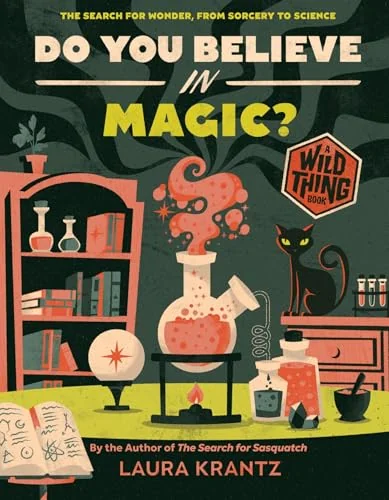
✍️ More books by this author Krantz, Laura
All books by this author →🏛 Books from this publisher Harry N. Abrams
All books from this publisher →![Cats Rule the Earth Tarot: 78-Card Deck and Guidebook for the Feline-Obsessed [With Book(s)]](/img/cats-rule-the-earth-tarot-78-card-deck-and-guidebook-for-the-feline-obsessed-with-book-s.webp)
You might also like
See more →