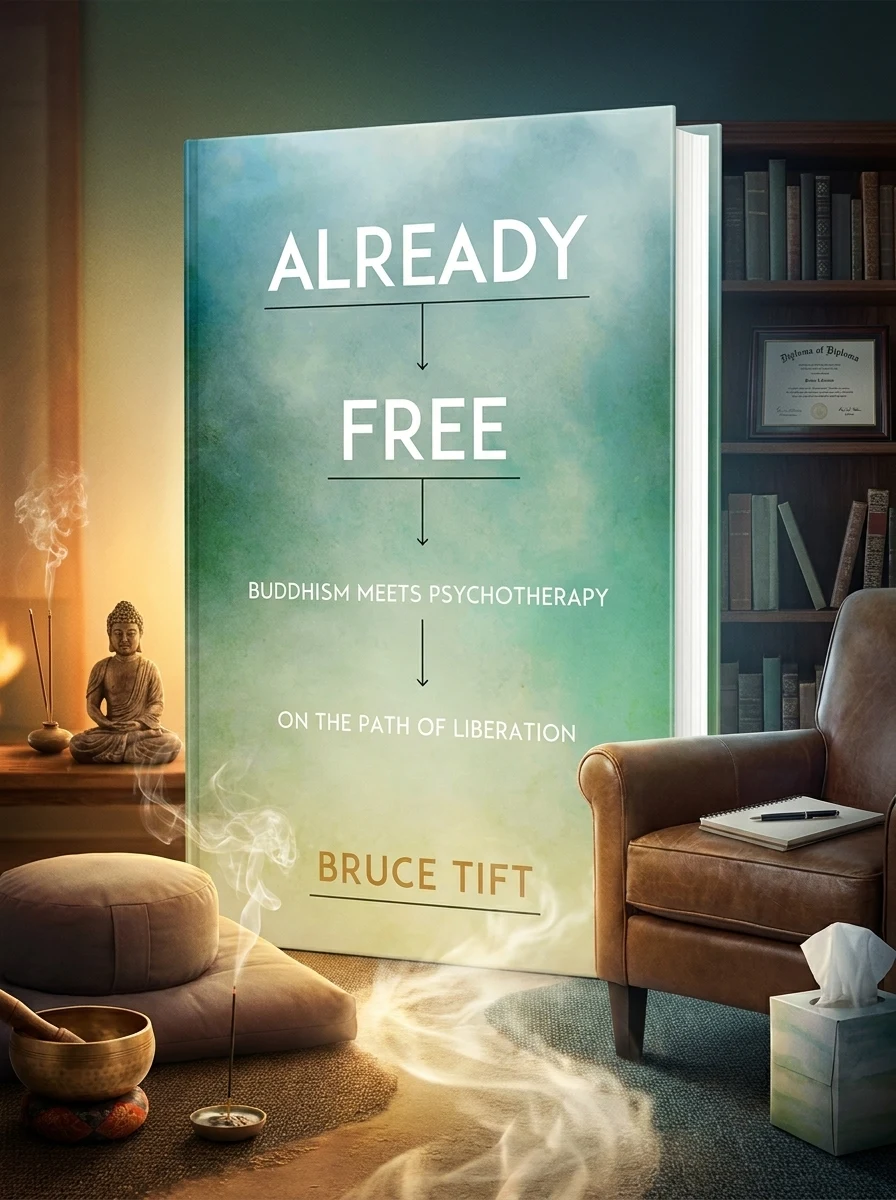
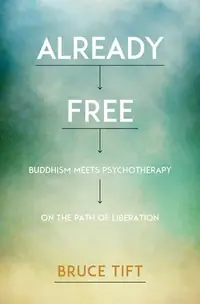
Already Free: Buddhism Meets Psychotherapy on the Path of Liberation


Stock reported in the catalog; fulfillment is confirmed with your request.
Uncover the profound synergy where ancient Buddhist wisdom meets modern psychological insight.
Bruce Tift, with Tami Simon, masterfully explores the compelling intersection of Buddhist philosophy and contemporary psychotherapy in "Already Free." This insightful work posits that both disciplines, despite their distinct origins, share a fundamental quest: the alleviation of human suffering. Tift, drawing from his unique dual expertise, illuminates how the contemplative practices of Buddhism, particularly mindfulness, can profoundly deepen and enrich the therapeutic journey, offering a holistic path to genuine liberation. It's a deep dive into how understanding our minds can lead to an inherent, present freedom, rather than a distant goal.
This work sits at the dynamic intersection of contemplative traditions and modern clinical psychology, reflecting a growing cultural movement to integrate ancient mindfulness practices with contemporary therapeutic frameworks for holistic well-being.


📝 Description: Already Free: Buddhism Meets Psychotherapy on the Path of Liberation
💎 Expert review
📖 Why choose it
Why this book is worth reading
Readers seeking a bridge between spiritual practice and mental health will find profound value in this synthesis. It is ideal for those feeling trapped by the notion that liberation is a distant achievement, offering instead the comforting reality of inherent freedom. Therapists and mindfulness practitioners gain practical insights into deepening their craft through Buddhist philosophy. Individuals weary of traditional self-help models that treat suffering as a problem to be solved, rather than experienced, will appreciate this gentle approach. It empowers readers to understand their minds not as enemies, but as paths to the present moment, making it essential for anyone desiring genuine psychological and spiritual liberation without adding another burden to their journey.
⭐ Reader reviews
Reader rating
Tift and Simon deliver a compelling argument that Buddhist wisdom and psychotherapy share a core mission: alleviating suffering. The text effectively demonstrates how mindfulness enriches therapy, promoting an immediate sense of freedom rather than a future goal. However, readers seeking rigorous academic theory or technical clinical manuals may find the tone too accessible or philosophical. Those expecting a strict religious guide might be disappointed by its secular, psychological framing. It is not for those who prefer dogmatic spiritual instruction over integrative insight. Ultimately, it succeeds as a warm, insightful exploration of the mind, provided one accepts its premise that liberation is already present.
❓ Frequently asked questions
📖 Who should read this
If you are a seeker of deeper understanding, a practitioner in either psychology or spirituality, or simply curious about how ancient wisdom can inform modern well-being, this book offers profound insights. It's for anyone ready to explore a holistic path to personal liberation and inner peace.
🎯 Key themes and symbolism
Integrating Inner Paths
This book brilliantly demonstrates how the contemplative depth of Buddhism and the analytical clarity of psychotherapy are not just compatible, but mutually enhancing. It proposes that combining their methodologies offers a more comprehensive and robust framework for understanding and resolving inner turmoil, moving beyond the limitations of any single approach to personal growth and healing.
Liberation Through Awareness
At its core, the text emphasizes that true freedom isn't something to be achieved in the future, but rather an innate state accessible through heightened awareness. It guides readers to recognize the 'already free' aspect of their being, utilizing both Buddhist mindfulness and psychological insights to dismantle the mental constructs that obscure this inherent state of liberation.
The Embodied Self
The work delves into the practical application of these integrated principles, showing how they can be embodied in daily life. It moves beyond abstract theory, offering guidance on how to engage with one's emotional landscape, cultivate presence, and respond to life's challenges with greater wisdom and compassion, fostering a more authentic and integrated sense of self.
💬 Quotes from the book
“True freedom isn't about escaping our human experience, but rather fully inhabiting it with an open heart and discerning mind.”
“When the insights of psychological understanding meet the spaciousness of contemplative awareness, a new dimension of healing unfolds.”
📜 Historical context
📚 Glossary
- Liberation
- Mindfulness
- Psychotherapy
📔 Questions to reflect on
- Reflect on a time when you felt truly 'free' or unburdened. What were the circumstances, and what internal qualities contributed to that feeling?
- Consider a recurring psychological pattern you experience. How might a Buddhist perspective on attachment or impermanence offer a new way of relating to it?
- In what ways could integrating a more mindful approach into your daily life shift your perspective on challenges or difficult emotions?
🏛 Books from this publisher St. Martin's Essentials / Sounds True
All books from this publisher →

You might also like
See more →