The Secret Teachings of All Ages: An Encyclopedic Outline of Masonic, Hermetic, Qabbalistic and Rosicrucian Symbolical Philosophy is one of the most recognizable reference works associated with Western esoteric studies. For readers searching for this edition, the natural next question is which books can provide additional context, historical background, or focused examinations of the themes found within Hall’s encyclopedia.
Manly P. Hall’s work brings together symbolic systems, philosophical traditions, mystery schools, and spiritual ideas in a broad survey. Because of its wide scope, many readers use it as a starting point for exploring particular subjects in greater detail. Companion books can help focus attention on subjects such as Hermetic philosophy, Rosicrucian thought, ancient wisdom traditions, magical history, and the relationship between symbols and the human psyche.
This collection is designed for readers who want related works rather than substitutes. Some titles examine historical occult writings, while others approach symbolism through philosophy or psychology. Together, these books create a varied reading shelf connected to the ideas and traditions that surround Hall’s famous encyclopedia.
Western Esoteric Foundations and Symbolic Philosophy
1. The Secret Teachings of All Ages: An Encyclopedic Outline of Masonic, Hermetic, Qabbalistic and Rosicrucian Symbolical Philosophy — Manly P. Hall
The Secret Teachings of All Ages: An Encyclopedic Outline of Masonic, Hermetic, Qabbalistic and Rosicrucian Symbolical Philosophy is the central title for anyone looking for this edition. Hall presents a wide-ranging reference work covering symbolic philosophy and traditions connected with mystery studies.
The book is particularly useful for readers who enjoy making connections between different schools of thought. Rather than focusing on one single system, it presents many subjects side by side, encouraging further study into the traditions that interest each reader most.
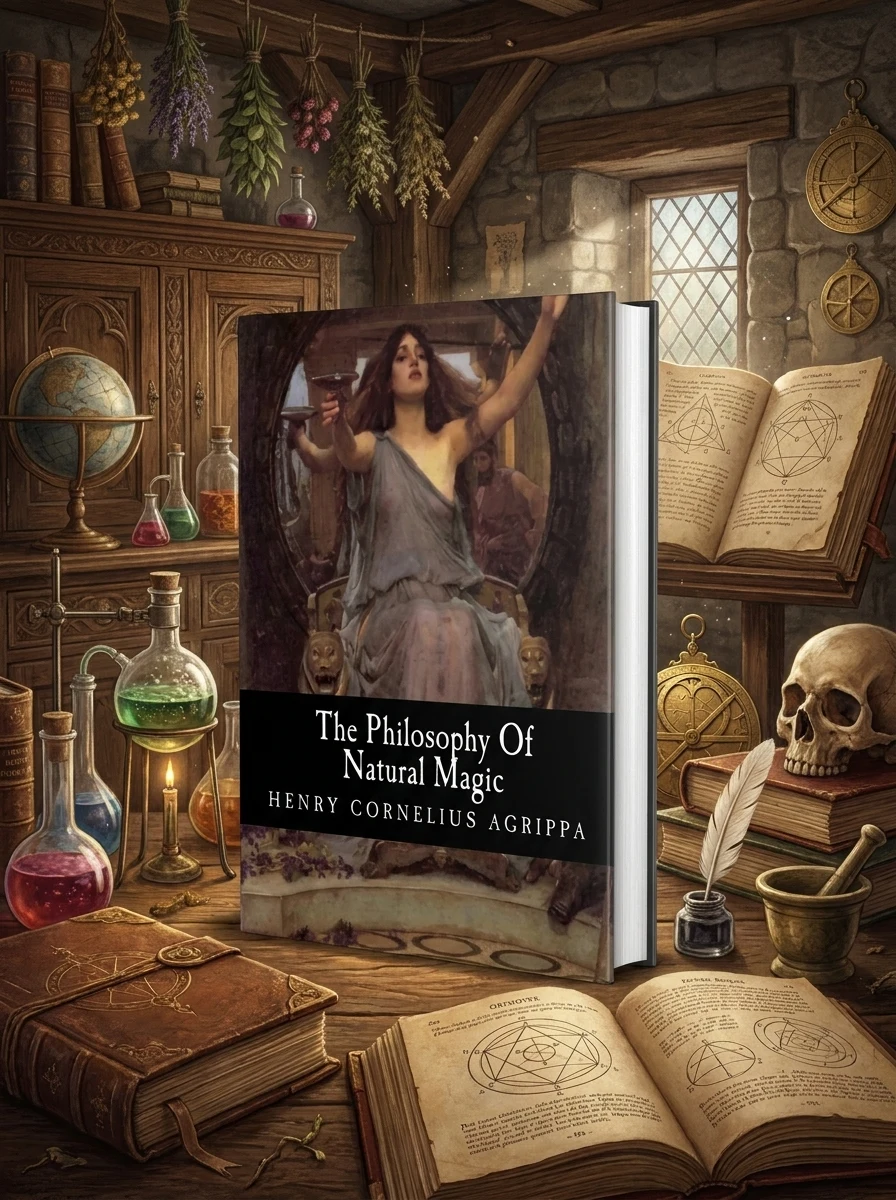
2. The Philosophy Of Natural Magic — Henry Cornelius Agrippa
The Philosophy Of Natural Magic offers a historical look at Renaissance magical philosophy. Henry Cornelius Agrippa’s work is associated with a period when discussions of nature, philosophy, astrology, medicine, and spiritual concepts often overlapped.
This title pairs naturally with Hall’s encyclopedia because both examine ideas that influenced Western esoteric traditions. Readers interested in the intellectual background of magical writings may find Agrippa’s approach useful for understanding earlier philosophical frameworks.
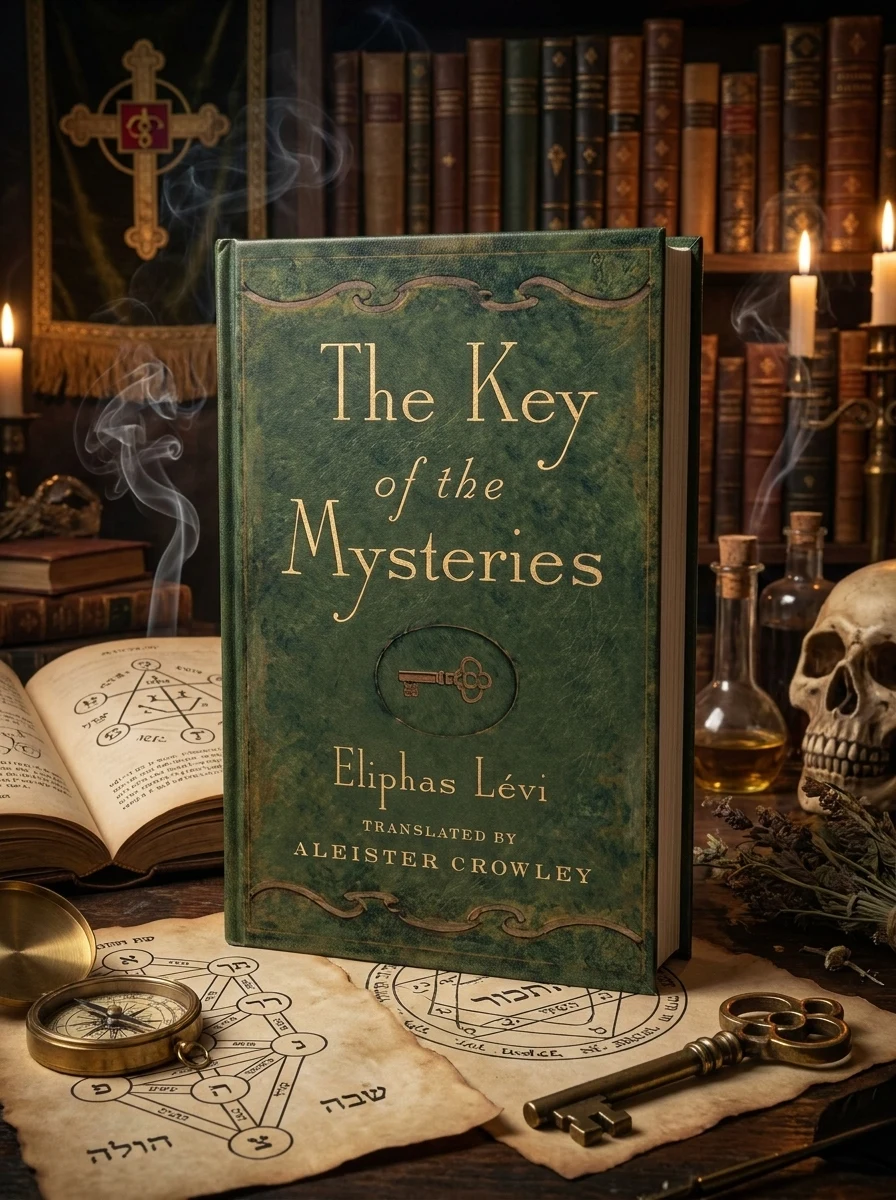
3. Key of the Mysteries — Eliphas Levi; Aleister Crowley
Key of the Mysteries introduces the symbolic style associated with Eliphas Levi and connects with later occult discussions through its association with Aleister Crowley. The book suits readers interested in nineteenth-century interpretations of mystical symbols and ceremonial traditions.
Compared with Hall’s broad encyclopedia, this work provides a more concentrated look at symbolic ideas. It can be valuable for those who want to examine the language and concepts used in Western occult writing.
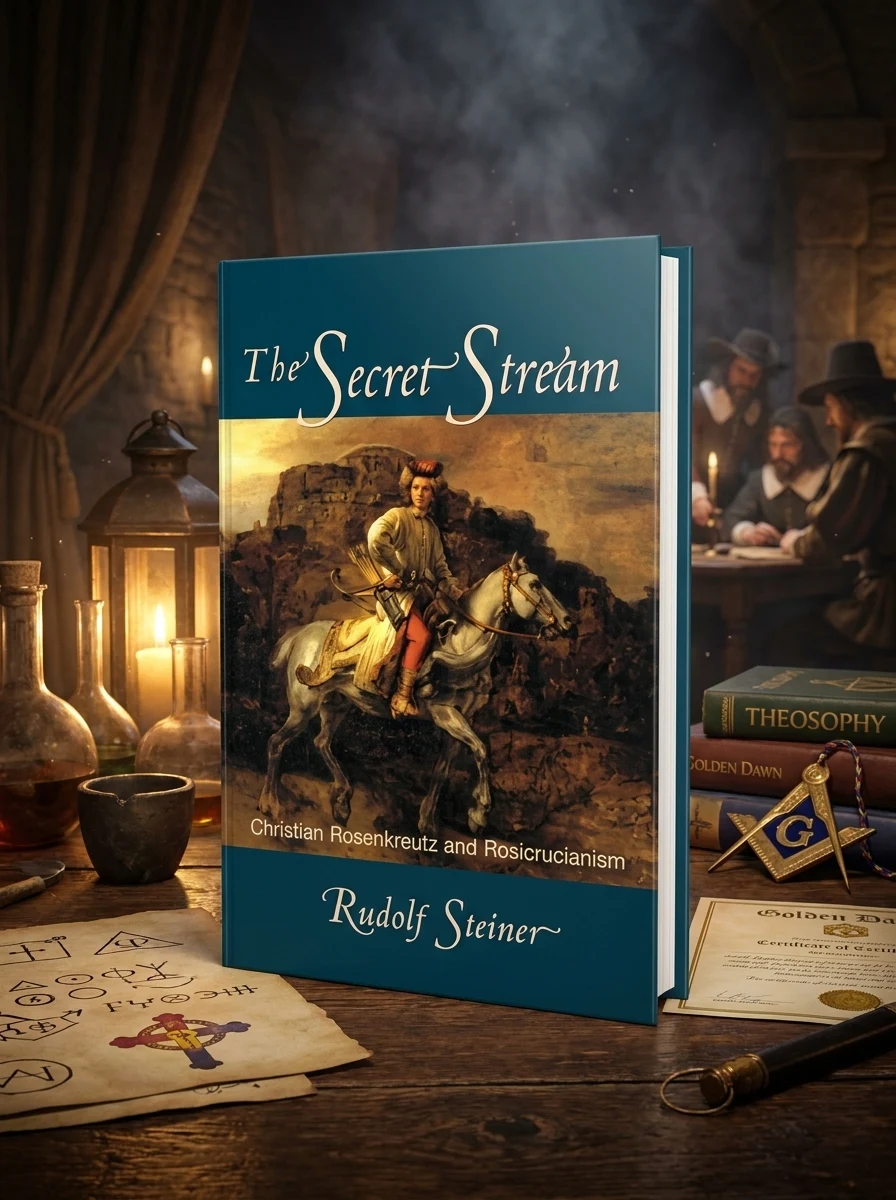
4. The Secret Stream: Christian Rosenkreutz and Rosicrucianism — Rudolf Steiner; Christopher Bamford
The Secret Stream: Christian Rosenkreutz and Rosicrucianism focuses on Rosicrucian themes, one of the traditions frequently discussed in Western esoteric studies. The book is suited to readers who want a focused exploration of this movement after encountering related references in broader works.
Its narrower subject allows readers to spend more time with the ideas, history, and spiritual interpretations connected with Rosicrucian traditions. It works well alongside Hall’s encyclopedia by giving additional attention to one important area of interest.
Ancient Wisdom, Spiritual Inquiry, and Hidden Traditions
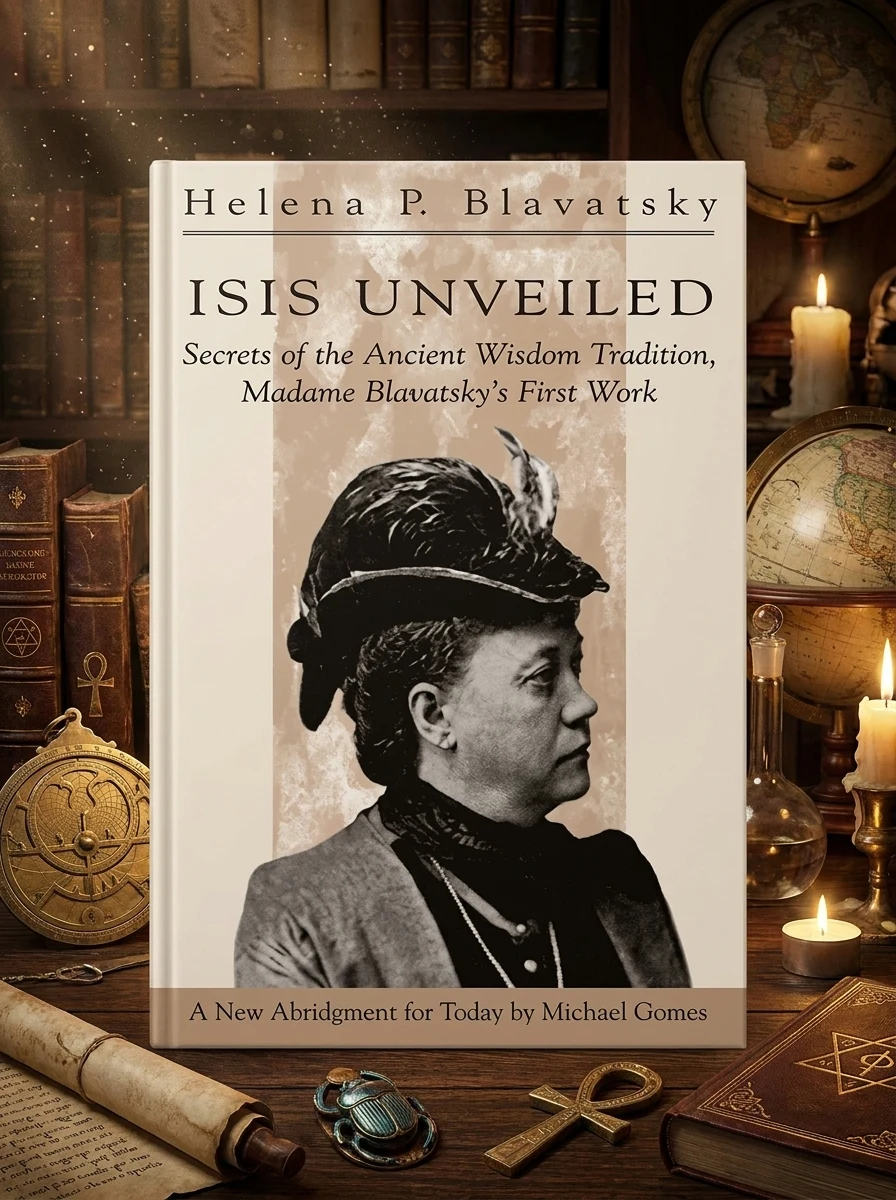
5. Isis Unveiled: Secrets of the Ancient Wisdom Tradition, Madame Blavatsky's First Work — H P Blavatsky; Michael Gomes
Isis Unveiled: Secrets of the Ancient Wisdom Tradition, Madame Blavatsky's First Work is an important work for readers interested in the origins of modern Theosophy and nineteenth-century spiritual movements. The book examines comparative religion, philosophy, and ideas surrounding ancient wisdom traditions.
This title connects with Hall’s interests in symbolic systems and historical mysteries. Readers who appreciate broad examinations of spiritual history may find it a valuable companion, while those new to these subjects may prefer to approach it gradually due to its expansive discussions.
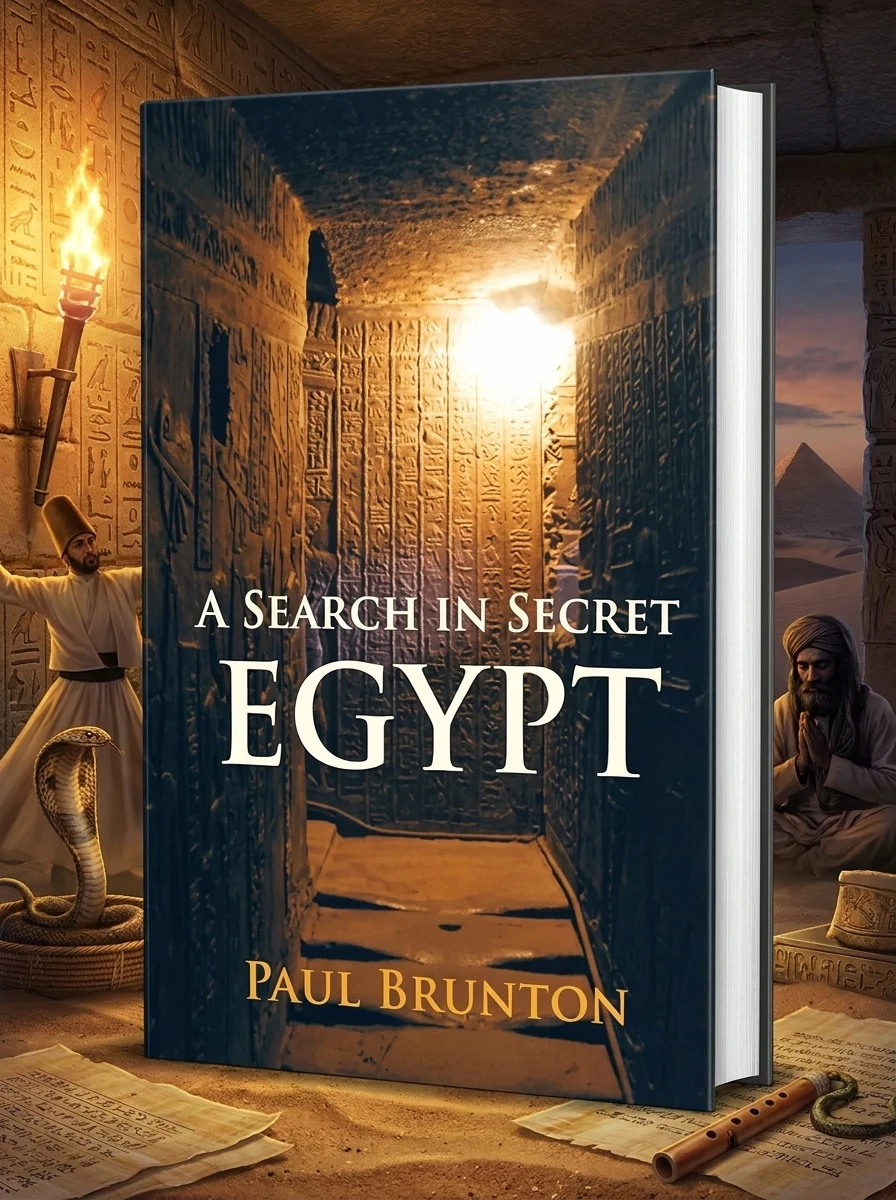
6. A Search in Secret Egypt — Paul Brunton
A Search in Secret Egypt explores spiritual inquiry connected with Egypt and its continuing influence on mystical writers. Paul Brunton’s work reflects an interest in personal understanding, spiritual reflection, and the significance attached to Egyptian culture.
This book complements Hall’s attention to ancient civilizations and symbolic traditions. It may appeal especially to readers fascinated by Egypt as a source of philosophical and spiritual imagery.
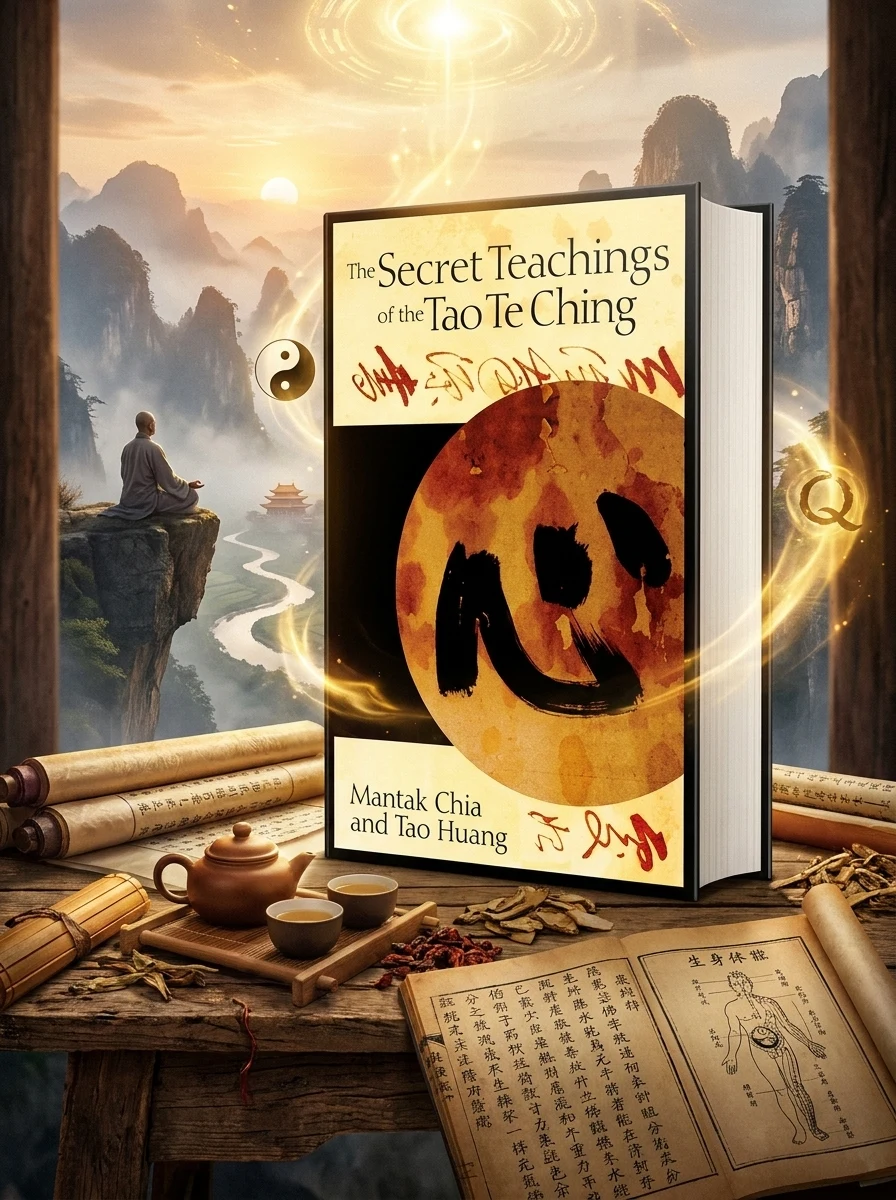
7. The Secret Teachings of the Tao Te Ching (Original) — Mantak Chia
The Secret Teachings of the Tao Te Ching (Original) provides a perspective connected with Taoist philosophy and inner practices. While Hall’s encyclopedia primarily surveys Western traditions, this work expands the reading list toward Eastern approaches to energy, philosophy, and personal cultivation.
For readers interested in comparing different spiritual systems, this title offers another perspective on ideas of harmony, transformation, and human potential. It broadens the conversation beyond European and American occult literature.
Symbols, Psychology, and Inner Development
8. Archetypal Psychology — James Hillman
Archetypal Psychology approaches symbols through psychology, mythology, and the patterns found in human imagination. James Hillman’s work provides a modern interpretive framework for understanding images and meanings that appear across cultures.
This makes it a useful companion for readers of Hall who are interested in why certain symbols continue to appear in human thought. Instead of focusing on historical occult systems, it examines how symbolic material can be understood through psychological perspectives.
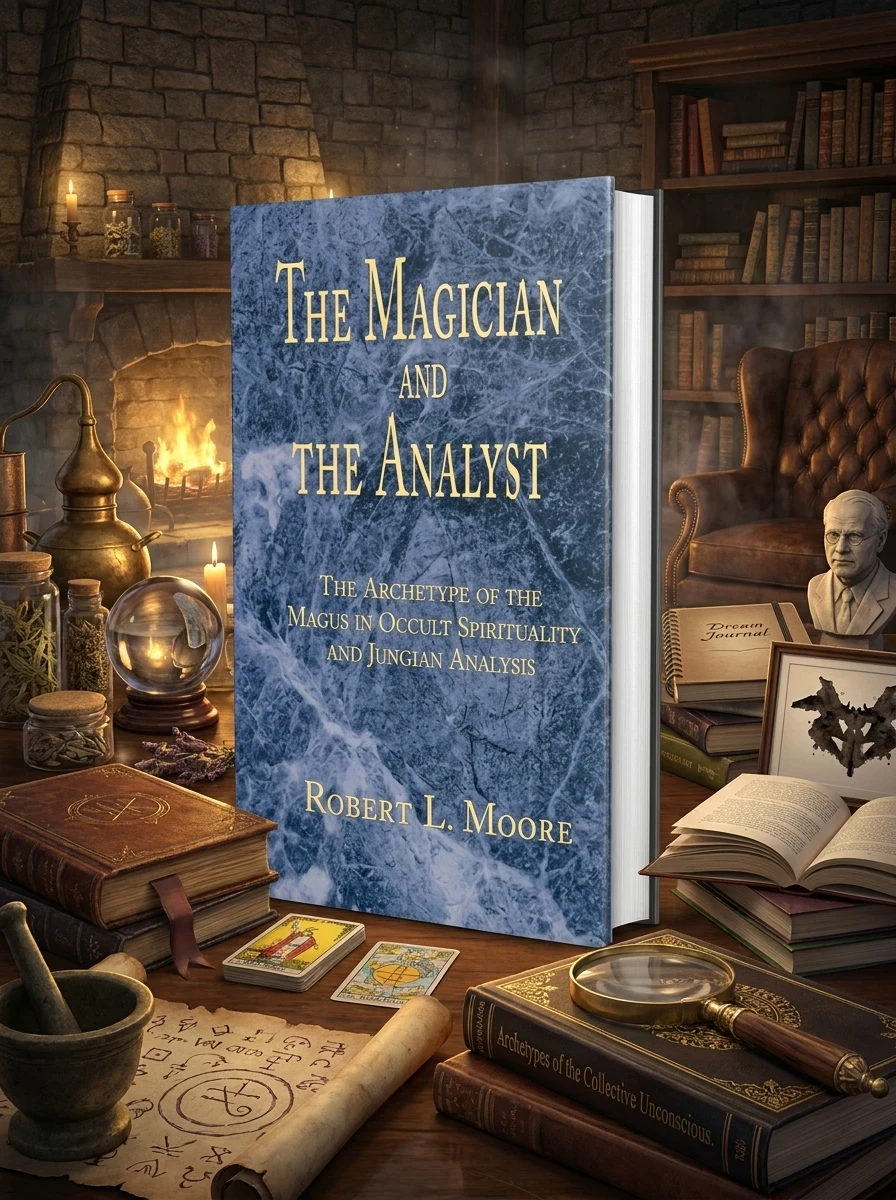
9. The Magician and the Analyst — Robert L. Moore
The Magician and the Analyst examines connections between mystical interests and psychological exploration. It is suited for readers curious about the relationship between symbolic traditions, inner development, and analytical approaches to human experience.
This title creates a bridge between traditional esoteric studies and modern reflection. After exploring Hall’s encyclopedia, readers may find this perspective helpful for considering how symbols influence interpretation, identity, and personal growth.
How to Choose Your Next Book After The Secret Teachings of All Ages Edition
The best companion depends on the subjects that first attracted you to Hall’s encyclopedia. Readers interested in historical Western occult writing may want to begin with Agrippa, Levi, or Rosicrucian studies. These works remain closely connected with the symbolic and philosophical traditions frequently discussed alongside Hall’s reference work.
Those drawn to ancient wisdom traditions may prefer Blavatsky or Brunton. Their books approach spiritual history from different perspectives and can encourage further examination of how cultures have interpreted knowledge, symbolism, and human purpose.
Readers focused on symbols themselves may find Hillman and Moore especially engaging because they examine meaning from psychological viewpoints. For those interested in expanding beyond Western sources, Mantak Chia’s Taoist perspective introduces another philosophical tradition connected with inner practices.
A personal library built around The Secret Teachings of All Ages can develop in many directions. The strength of Hall’s work is the number of subjects it introduces, allowing readers to select focused studies based on their own interests and continue exploring the ideas that capture their attention.