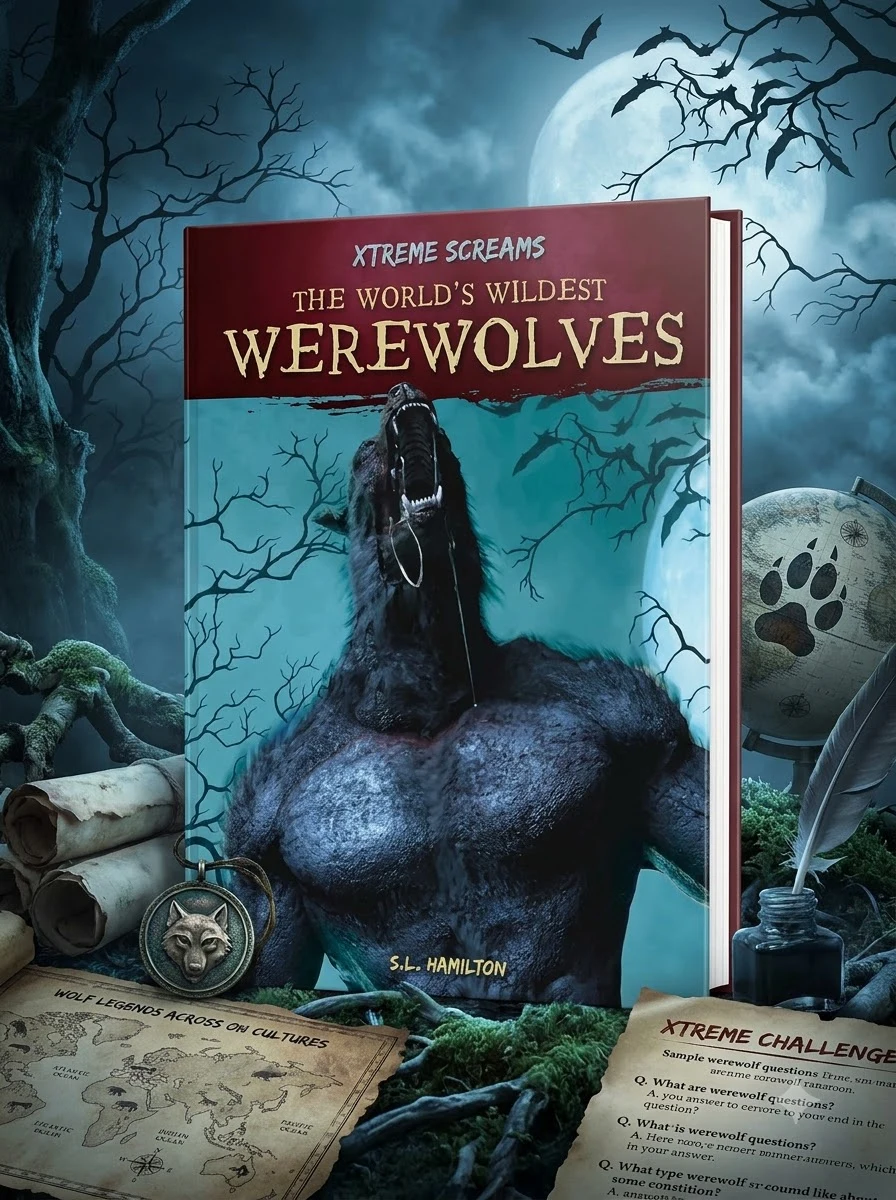
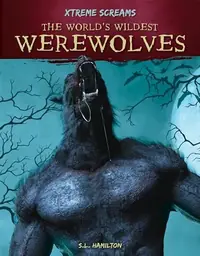
World's Wildest Werewolves Hamilton, S L
Hamilton, S LStock reported in the catalog; fulfillment is confirmed with your request.
Unravel the primal terror and fascinating folklore of the world's most enduring shapeshifter: the werewolf.
Delve into the captivating mythology of the werewolf, tracing its fearsome lineage through human history and across diverse global cultures. This engaging volume explores the primal fear and enduring fascination inspired by these shapeshifting creatures, from ancient legends to modern interpretations. Discover the societal anxieties and cultural beliefs that have shaped werewolf narratives, offering a foundational understanding of one of folklore's most potent figures. It provides an accessible, yet insightful, overview for those beginning their journey into lycanthropic studies.
This volume sits firmly within the realm of global folklore and esoteric studies, examining the enduring archetype of the shapeshifter across diverse human cultures. It bridges ancient legends with modern interpretations to contextualize the societal anxieties surrounding lycanthropy.


📝 Description: World's Wildest Werewolves Hamilton, S L
💎 Expert review
📖 Why choose it
Why this book is worth reading
For those beginning their journey into lycanthropic studies, this accessible overview offers a fascinating entry point into the primal terror and enduring fascination of the werewolf. It is ideal for readers interested in understanding how societal anxieties have shaped these narratives across history. The book provides a foundational yet insightful look at one of folklore's most potent figures, tracing their lineage through human history without overwhelming the novice with academic jargon. It serves as a perfect primer for enthusiasts seeking to grasp the cultural beliefs behind shapeshifting myths.
⭐ Reader reviews
Reader rating
Hamilton delivers an engaging and accessible survey of werewolf mythology, appealing particularly to beginners in esoteric studies. The text effectively traces fearsome lineages across global cultures, making complex folklore approachable. However, it does not suit seasoned scholars or those seeking deep, primary-source academic analysis or grim, horror-focused narratives. Readers expecting dense historical citations or terrifying fictional accounts may find the tone too light and introductory. It is best viewed as a cultural overview rather than a definitive scholarly tome.
❓ Frequently asked questions
📖 Who should read this
If you're drawn to the shadowed corners of folklore and wish to understand the foundational narratives of one of humanity's oldest monsters, this book is for you. It offers an excellent entry point for anyone curious about the historical and cultural impact of the werewolf myth.
🎯 Key themes and symbolism
Lycanthropic History & Origin
Explores the historical roots of werewolf beliefs, investigating early accounts and the societal contexts that gave rise to these terrifying legends. It delves into the evolution of the myth, from ancient pagan rites to medieval superstitions, revealing how human fears and societal structures influenced the narrative of the beast within.
Cultural Manifestations
Examines how the werewolf archetype transcends geographical boundaries, manifesting in unique forms across various cultures. From European folklore to lesser-known global narratives, the book highlights the diverse interpretations and symbolic meanings attributed to shapeshifting human-animal hybrids, showcasing the universal appeal of this monstrous figure.
Mythos & Modernity
Traces the enduring legacy of the werewolf from ancient lore into contemporary popular culture. It analyzes how modern media continues to reinterpret and reimagine these legendary monsters, reflecting evolving anxieties and societal questions about identity, transformation, and the beast lurking beneath civilization's veneer.
💬 Quotes from the book
“The moon's pull, the scent of blood, and the sudden, terrifying shift from human to beast have haunted humanity's imagination for millennia.”
“Across continents and through diverse oral traditions, the figure of the shapeshifting wolf-human persists, a testament to shared fears and the mysteries of the wild.”
📜 Historical context
📚 Glossary
- Lycanthropy
- Folklore
- Archetype
📔 Questions to reflect on
- What societal anxieties might have given rise to the werewolf myth in different historical periods?
- How does the concept of transformation, as embodied by the werewolf, reflect our own internal struggles with duality and primal instincts?
- In what ways do modern interpretations of werewolves continue or diverge from their traditional folkloric origins?
📖 From the series “Xtreme Screams”
All books in the series →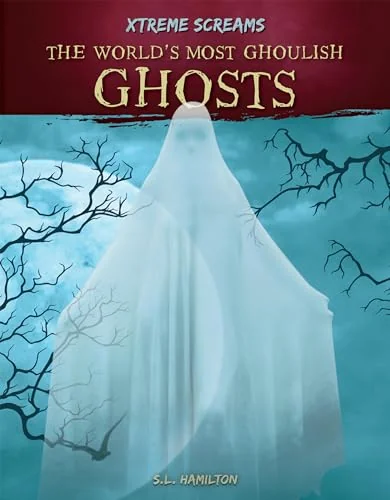

✍️ More books by this author Hamilton, S L
All books by this author →

You might also like
See more →

 81
81
 86
86
 79
79


 91
91