About the author
Hermann Karl Hesse (German: [ˈhɛʁman ˈhɛsə] ; 2 July 1877 – 9 August 1962) was a German-Swiss poet and novelist, and winner of the 1946 Nobel Prize in Literature. His interest in Eastern religious, spiritual, and philosophical traditions, combined with his involvement with Jungian analysis, helped to shape his literary work. His best-known novels include Demian, Steppenwolf, Siddhartha, Narcissus and Goldmund, and The Glass Bead Game, each of which explores an individual's search for authenticity, self-knowledge, and spirituality. Hesse was a widely read author in German-speaking countries during his lifetime, but his more enduring international fame did not come until a few years after his death, when, in the mid-1960s, his works became enormously popular with post-World War II generation readers in the United States, Europe, and elsewhere. == Life and work == === Family background === Hermann Karl Hesse was born on 2 July 1877 in the Black Forest town of Calw, in Württemberg, German Empire. His grandparents served in India at a mission under the auspices of the Basel Mission, a Protestant Christian missionary society.
📖 Where to start with Hermann Hesse
💬 What our editors say about Hermann Hesse's books
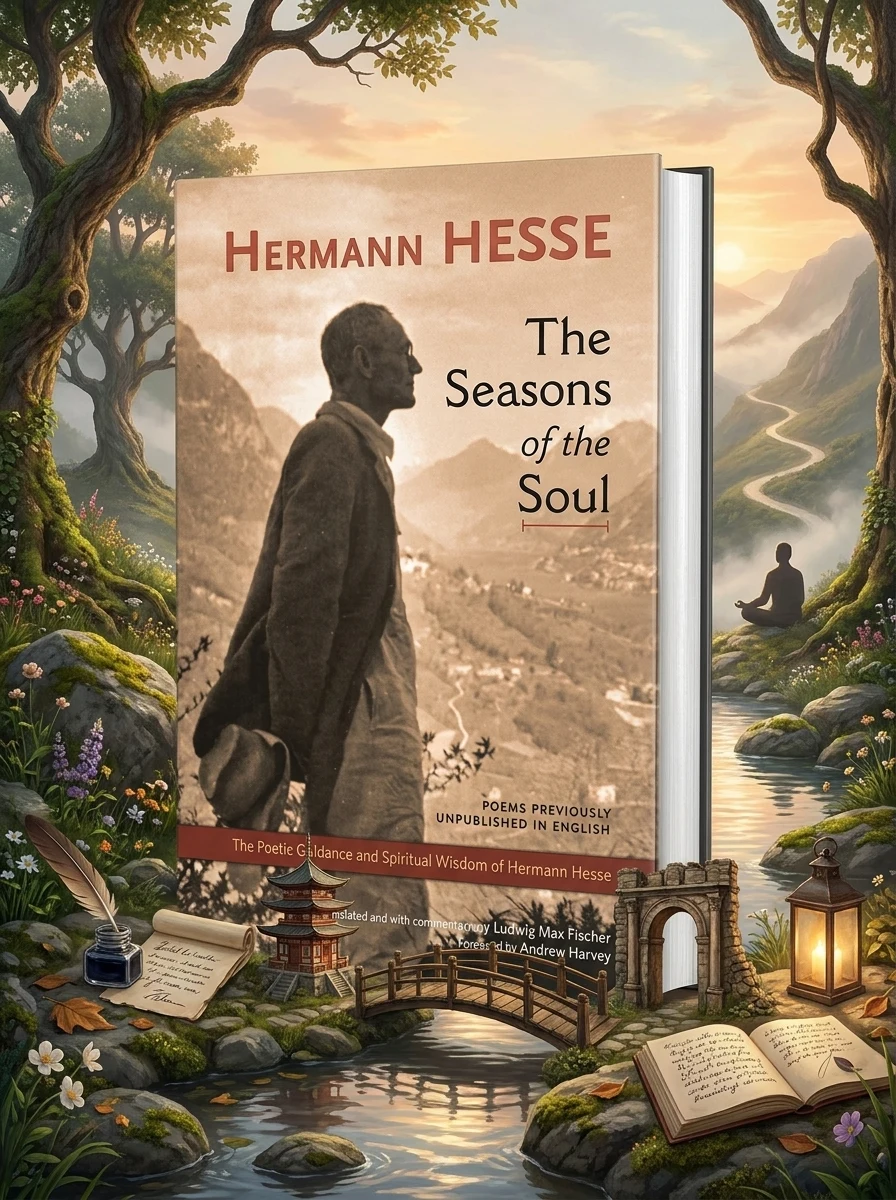
“This volume serves as a vital resource for Hesse enthusiasts and spiritual seekers alike, offering 68 previously untranslated poems that illuminate his inner journey. The lyrical insights effectively bridge Eastern and Western…”
Esoterica Books editorial team, Occult literature desk · on The Seasons of the Soul: The Poetic Guidance and Spiritual Wisdom of Hermann Hesse
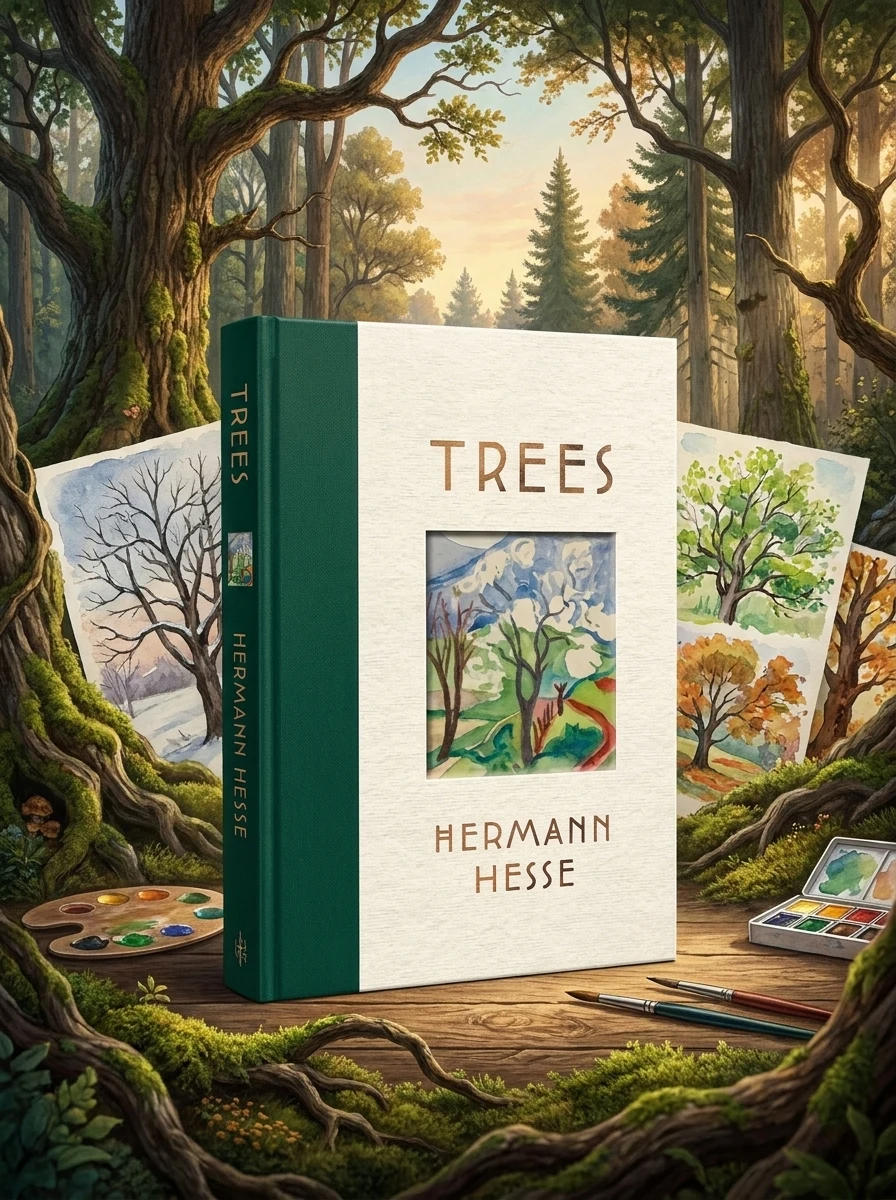
“Hermann Hesse offers a sincere, visually rich exploration of arboreal spirituality that appeals to those drawn to lyrical prose and personal reflection. The inclusion of his watercolors adds a unique, intimate layer to the text,…”
Esoterica Books editorial team, Occult literature desk · on Trees: An Anthology of Writings and Paintings


