You're Going To Die But Not Me!
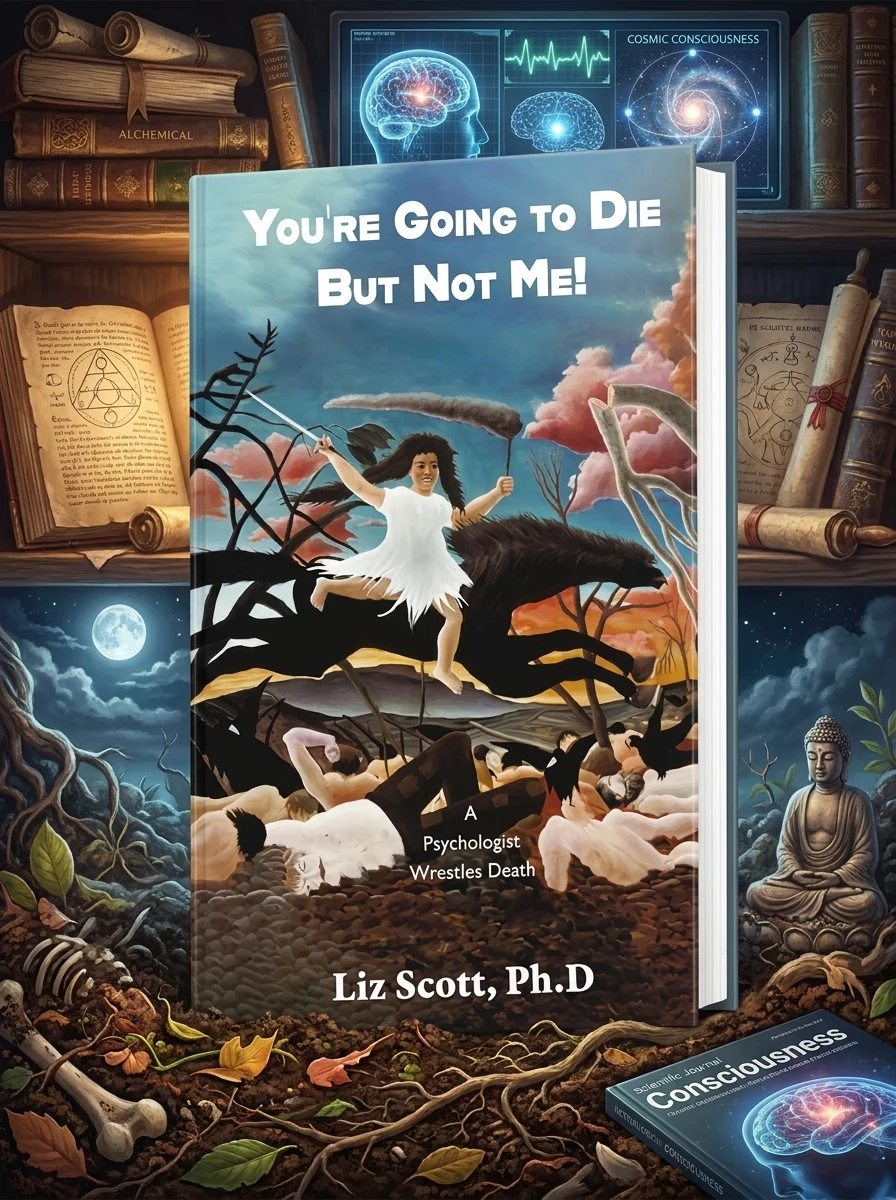
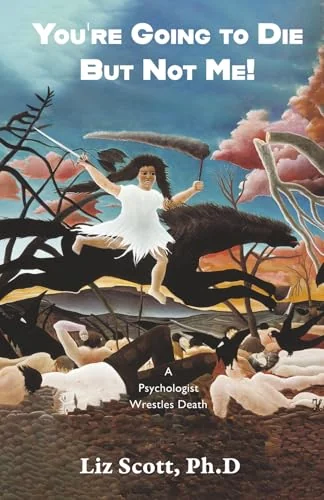
Liz Scott confronts humanity's ultimate question: what happens after we die? Blending incisive humor with rigorous intellectual inquiry, she journeys through ancient philosophies, modern scientific explorations of near-death experiences, and personal reflections on mortality. Scott fearlessly explores concepts from panpsychism to practical end-of-life considerations like human composting. Her unique narrative voice, both vulnerable and deeply informed, transforms a potentially grim subject into an illuminating quest for meaning, making the terrifying prospect of annihilation strangely approachable and even enriching.
📝 Description: You're Going To Die But Not Me!
💎 Expert review
📖 Why choose it
Why this book is worth reading
Readers who find traditional funeral rites or grim existentialism too heavy-handed will deeply appreciate Liz Scott’s approach. This book is ideal for those seeking to confront the inevitability of death without succumbing to despair. By weaving together rigorous intellectual inquiry with incisive humor, Scott makes the terrifying prospect of annihilation strangely approachable. It serves as an illuminating quest for meaning for anyone curious about near-death experiences, panpsychism, or human composting. Those who value a narrative voice that is both vulnerable and deeply informed will find this journey enriching. It transforms a potentially grim subject into a source of profound insight, offering wisdom that helps face life's final mystery with wit rather than fear.
⭐ Reader reviews
Reader rating
Scott’s blend of humor and philosophy creates a unique reading experience, yet it may not suit readers seeking rigorous academic theology or purely scientific data on death. The narrative relies heavily on personal reflection and philosophical speculation, which might feel too informal for those preferring detached analysis. Additionally, the discussion of human composting and practical end-of-life logistics could be off-putting to conservative sensibilities or those strictly interested in spiritual afterlife dogma rather than material realities. While the wit is refreshing, it may clash with readers expecting a solemn, reverent tone. Ultimately, it is best for open-minded seekers willing to embrace vulnerability alongside intellectual curiosity about the unknown.
❓ Frequently asked questions
📖 Who should read this
If you're curious about death beyond conventional narratives, open to philosophical inquiry, and appreciate a blend of humor with profound introspection, this book is for you. It's a journey for anyone ready to bravely examine mortality through diverse lenses.
🎯 Key themes and symbolism
Confronting Mortality
The book serves as an unflinching guide to facing death, not as an end to be feared, but as a profound aspect of existence. Scott encourages readers to examine their own anxieties and preconceptions about dying, offering a tapestry of perspectives from various cultures and disciplines to reframe our understanding.
Personal & Philosophical Journey
More than an academic treatise, this work is a deeply personal odyssey. Scott intertwines scholarly research on topics like psychic phenomena and panpsychism with her own candid vulnerability, demonstrating how intellectual curiosity and emotional honesty can coalesce in the search for meaning in life's ultimate transition.
Humor in the Face of Grief
Scott masterfully employs razor-sharp wit and an engaging voice to navigate the often somber landscape of death and grief. This unexpected comedic touch doesn't diminish the gravity of the subject but instead provides a refreshing, accessible entry point for readers grappling with existential fears, making the journey less daunting.
💬 Quotes from the book
“Turns out, even the abyss has a few good punchlines, if you're brave enough to listen for them.”
“The quiet terror of personal annihilation isn't just a fear; it's a doorway to understanding what it truly means to be alive.”
📜 Historical context
📚 Glossary
- Panpsychism
- Near-Death Experience (NDE)
- Buddhist Detachment
📔 Questions to reflect on
- How does your personal fear of death influence your daily decisions and aspirations?
- If you could reframe your understanding of death, what new perspective would bring you the most peace or clarity?
- Considering the diverse viewpoints on mortality presented, which one resonates most deeply with you, and why?