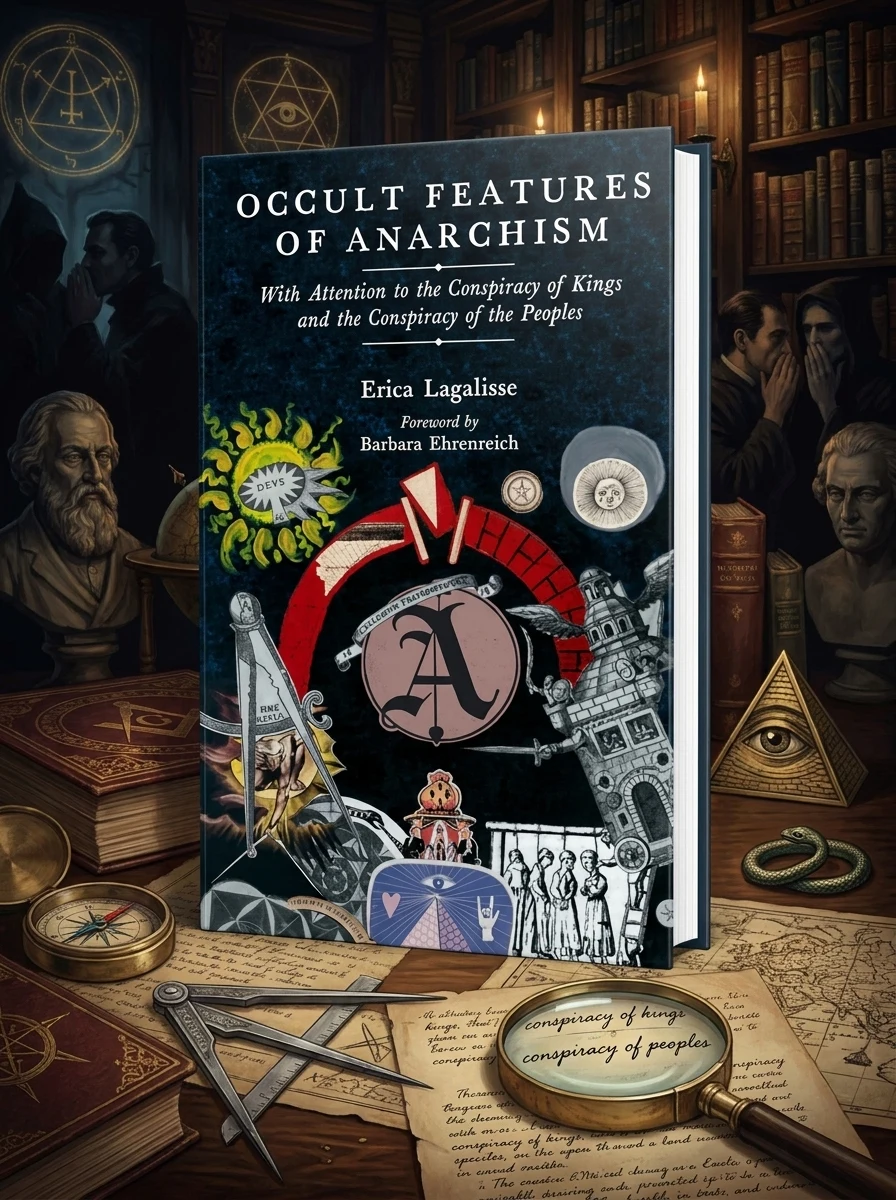
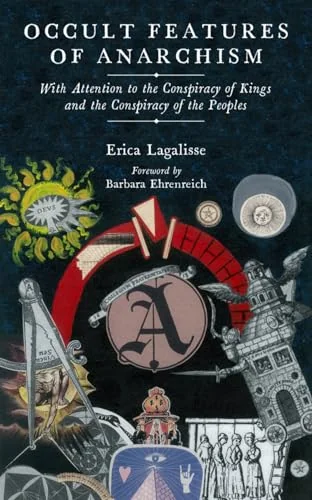
Occult Features of Anarchism: With Attention to the Conspiracy of Kings and the Conspiracy of the Peoples
This compelling work by Erica Lagalisse delves into the often-misunderstood connections between anarchist thought, occult philosophy, and secret societies. It meticulously disentangles popular conspiracy narratives—like those surrounding the Illuminati—from historical realities, revealing how revolutionary movements have, at times, intertwined with pantheistic worldviews and clandestine fraternities. Drawing on extensive research, Lagalisse challenges conventional secular interpretations of leftist politics, urging a re-evaluation of how esoteric traditions have shaped and continue to influence radical social change, inspiring a fresh perspective on historical and contemporary activism.
📝 Description: Occult Features of Anarchism: With Attention to the Conspiracy of Kings and the Conspiracy of the Peoples
💎 Expert review
📖 Why choose it
Why this book is worth reading
Readers fascinated by the shadowy undercurrents of political history will find this book indispensable for its rigorous dismantling of popular conspiracy myths. It appeals to those seeking a deeper, more nuanced understanding of how esoteric worldviews have subtly influenced revolutionary movements. By disentangling fact from fiction regarding groups like the Illuminati, it offers a fresh perspective on activism that respects both historical reality and spiritual complexity. If you are tired of superficial takes on secret societies and crave an academic yet accessible exploration of how pantheism and radical politics intertwine, this text provides the intellectual depth needed to appreciate the true scope of hidden histories in social change.
⭐ Reader reviews
Reader rating
Lagalisse and Ehrenreich deliver a scholarly corrective to the sensationalist tropes surrounding anarchist conspiracies. The text is valuable for its meticulous research and its courage to challenge conventional secular interpretations of leftist politics. However, readers seeking light entertainment or straightforward confirmation of existing conspiracy theories will find this work dry and potentially frustrating. It does not cater to those who prefer myth-making over historical disentanglement. The density of the argument requires patience and a willingness to engage with complex philosophical intersections. While it may alienate casual observers looking for simple narratives, it stands as a robust, necessary intervention for serious students of occult history and political theory who appreciate rigorous academic standards.
❓ Frequently asked questions
📖 Who should read this
If you're fascinated by the hidden currents of history, curious about the intersection of radical politics and esoteric thought, or seeking to challenge conventional narratives about anarchism and the Left, this book offers a profoundly insightful and provocative journey.
🎯 Key themes and symbolism
Anarchism & Hidden Histories
Lagalisse meticulously dissects the historical portrayal of anarchism, separating genuine revolutionary aims from the contemporary "conspiracy theories" that often misrepresent it. She uncovers how early anarchist ideals, such as those of the Illuminati, were fundamentally about self-governance and communal ownership, countering modern narratives that paint them as controllers of power.
Esoteric Roots of Revolution
This book illuminates the profound, yet often overlooked, relationship between pantheistic occult philosophy and revolutionary movements. It explores how ideas from Renaissance magic to New Age thought have informed and paralleled anarchist principles, revealing a hidden intellectual lineage that connects spiritual esotericism with radical political action and clandestine fraternities.
Rethinking Secular Leftism
Inspired by contemporary anthropological fieldwork, Lagalisse critically examines the prevailing secularism within modern leftist movements. She argues that this rigid adherence to atheism can hinder coalition-building and limit revolutionary potential, suggesting that a broader understanding of spiritual and esoteric dimensions might be crucial for contemporary political engagement.
💬 Quotes from the book
“The historical record shows that the true 'conspiracy of kings' was threatened by those who sought self-governance, not that such seekers were themselves the architects of control.”
“To dismiss the esoteric dimensions of past revolutionary thought as mere superstition is to ignore a vital current that empowered and informed resistance against established power structures.”
📜 Historical context
📚 Glossary
- Anarchism
- Occultism
- Pantheism
📔 Questions to reflect on
- How might a re-evaluation of esoteric traditions impact our understanding of contemporary social movements?
- In what ways do modern "conspiracy theories" distort historical revolutionary aims, and why do these distortions persist?
- Consider how the historical tension between secularism and spirituality within leftist movements could either hinder or foster broader coalition-building today.