
- Catalog
- Books
- Freemasonry Secret Societies
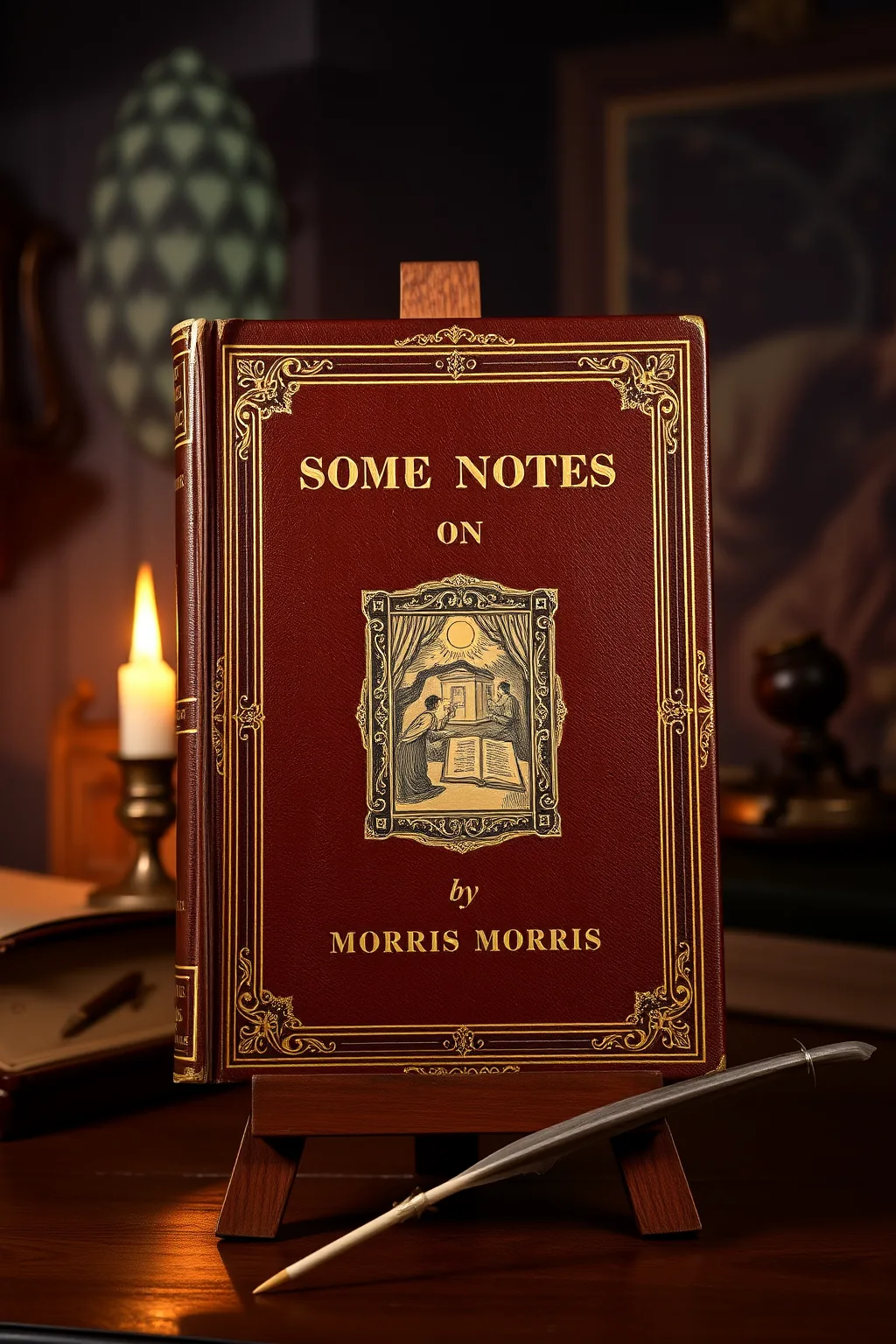
- Some Notes on Early Woodcut Books, with a Chapter on Illuminated Manuscripts
 75
75

Some Notes on Early Woodcut Books, with a Chapter on Illuminated Manuscripts
William Morris wrote 'Some Notes on Early Woodcut Books' in the late 19th century, examining printing's early artistic roots.
William Morris's 1899 work, 'Some Notes on Early Woodcut Books, with a Chapter on Illuminated Manuscripts,' examines the artistic and symbolic qualities of early printed books and manuscripts. Morris, a key figure in the Arts and Crafts movement, approached these historical artifacts with an artist's eye. He was particularly interested in the craft of book production and the visual language developed before and during the incunabula period. The book pays attention to the aesthetic choices made by early printers and illuminators, seeing them as more than mere technical processes but as expressions of a particular worldview. Morris's analysis focuses on the woodcut illustrations and the decorative elements that characterized these early printed works. He also dedicates a chapter to illuminated manuscripts, comparing and contrasting them with the emerging form of printed books. His writing reflects a deep appreciation for the material culture of the book and its transmission of meaning. This study is not a survey of printing history but an artist's reflection on the beauty and significance of early book arts.
📝 About the book: Some Notes on Early Woodcut Books, with a Chapter on Illuminated Manuscripts
Dive into the mystique of early woodcut books and illuminated manuscripts with William Morris's 'Some Notes on Early Woodcut Books, with a Chapter on Illuminated Manuscripts.' This esoteric exploration unveils the hidden symbolism and mystical allure embedded within the art of printing and illumination. Morris's work is a beacon for those seeking to understand the deeper philosophical significance of these ancient texts. The atmosphere is one of reverence and curiosity, inviting readers to explore the arcane knowledge that lies within the pages of these historical artifacts. Intended for both scholars and spiritual seekers, this book offers a profound journey into the heart of esoteric literature.
💎 Expert review
📖 Why choose
Why this book is worth reading
Read 'Some Notes on Early Woodcut Books, with a Chapter on Illuminated Manuscripts' to uncover the mystical secrets hidden within early printed texts. Ideal for seekers of esoteric knowledge, scholars of occult history, and practitioners of mystical traditions, this book offers a unique perspective on the symbolism and significance of illuminated manuscripts and woodcut books.
⭐ Customer reviews
Customer rating
William Morris's 'Some Notes on Early Woodcut Books, with a Chapter on Illuminated Manuscripts' is a valuable collection for those interested in the occult and mystical traditions. Morris's meticulous notes provide useful insights into the esoteric symbolism found in early printed books and illuminated manuscripts. The book's strength lies in its ability to bridge the gap between historical artifact and spiritual significance, making it an invaluable resource for both scholars and practitioners of the esoteric arts. Morris's work is particularly compelling for its exploration of hidden knowledge and the philosophical underpinnings of early printing techniques.
My third book from this store and this one might be the best. The historical context alone makes it worth the price. The language takes some getting used to, but it becomes part of the charm. Already eyeing my next order.
First purchase from this shop. Some sections stopped me cold in the best way. It assumes more background than a beginner might have.
My book club chose this last month. Plenty of passages worth underlining; my copy is already full of margin notes. My only quibble is the cover feels thinner than expected. Happy enough with the purchase.
As someone who reads a lot in this field, I can be picky. It's become a regular reference in my practice. If you're drawn to this subject, don't hesitate.
