
- Catalog
- Books
- Spiritualism
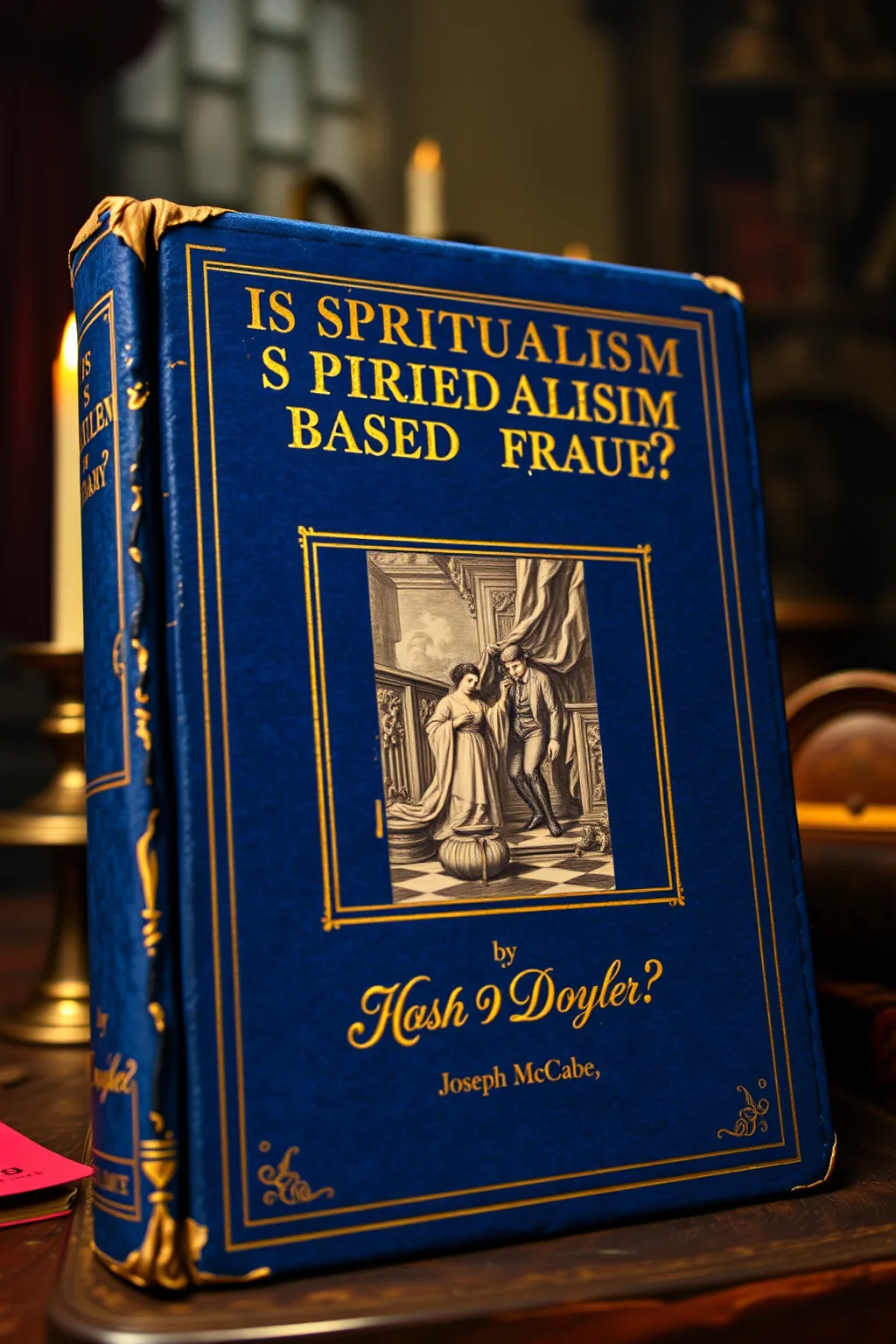
- Is Spiritualism Based on Fraud?: The Evidence Given by Sir A.C. Doyle and Others Drastically Examined
 82
82

Is Spiritualism Based on Fraud?: The Evidence Given by Sir A.C. Doyle and Others Drastically Examined
Joseph McCabe's 1920 book systematically questions the evidence for Spiritualism, particularly that offered by Sir Arthur Conan Doyle.
Joseph McCabe's 'Is Spiritualism Based on Fraud?' scrutinizes the claims of Spiritualism as presented by prominent figures like Sir Arthur Conan Doyle. Published in 1920, the book approaches the subject with a skeptical eye, examining the phenomena attributed to mediums and spiritual leaders. McCabe analyzes the evidence, looking for logical inconsistencies and potential explanations that do not rely on supernatural causes. He questions the authenticity of communications from the afterlife and the reliability of mediums, contrasting these claims with rationalistic interpretations. The work aims to separate genuine belief from what McCabe suggests might be deception or self-delusion within the Spiritualist movement. It covers topics such as ectoplasm, spirit photography, and trance mediumship, dissecting the arguments made by believers. The book is a direct challenge to the acceptance of Spiritualism as factual, urging readers to apply critical thinking to extraordinary claims.
📝 About the book: Is Spiritualism Based on Fraud?: The Evidence Given by Sir A.C. Doyle and Others Drastically Examined
Explore the enigmatic world of Spiritualism and its controversial foundations with Joseph McCabe's 'Is Spiritualism Based on Fraud?'. This key work scrutinizes the evidence presented by Sir Arthur Conan Doyle and other prominent spiritualists, offering a critical examination that peels back the layers of mystique surrounding mediumship and the afterlife. The book is a rich source of hidden knowledge, symbolism, and philosophical inquiry, making it an essential read for those seeking to understand the esoteric underpinnings of Spiritualism. The atmospheric narrative invites readers to explore the boundary between belief and deception, providing a wide range of thought that is both intellectually stimulating and spiritually enlightening. Ideal for seekers of truth, scholars of the occult, and practitioners of metaphysical arts, this book serves as a clear source of critical thought in the often murky waters of spiritual exploration.
💎 Expert review
📖 Why choose
Why this book is worth reading
Why read this book? 'Is Spiritualism Based on Fraud?' is a must-read for seekers of truth, scholars of the occult, and practitioners of metaphysical arts. McCabe's critical examination of Spiritualism provides a unique perspective on the hidden knowledge and symbolism that permeate this enigmatic field. By challenging the evidence presented by Sir Arthur Conan Doyle, McCabe invites readers to question their beliefs and explore the boundaries between faith and deception. This book is an essential addition to any esoteric library.
⭐ Customer reviews
Customer rating
Joseph McCabe's 'Is Spiritualism Based on Fraud?' stands as a key work in the area of esoteric literature. McCabe's meticulous examination of Sir Arthur Conan Doyle's evidence challenges the very foundations of Spiritualism, offering a fresh perspective on the age-old debate between belief and skepticism. The book's strength lies in its ability to explore the symbolism and hidden knowledge that underpin the spiritualist movement, making it an invaluable resource for scholars and practitioners alike. McCabe's authoritative tone and esoteric insights make this a must-read for anyone interested in the mystical and occult.
Perfect companion for my morning study sessions. You can tell why this work has endured. Delivery took a bit longer than quoted. Good, with the caveats above.
As someone who reads a lot in this field, I can be picky. It's become a regular reference in my practice. I found myself reading passages aloud just to sit with them. Deserves a place on any esoteric bookshelf.
Honestly wasn't sure what to expect, but I'm impressed. The text itself is dense but rewarding — you get out what you put in. Great value for what you get.
I collect works on this subject and this is a worthy addition. I appreciated how the argument builds steadily from first principles. Good, with the caveats above.
