
- Catalog
- Books
- Witchcraft Wicca
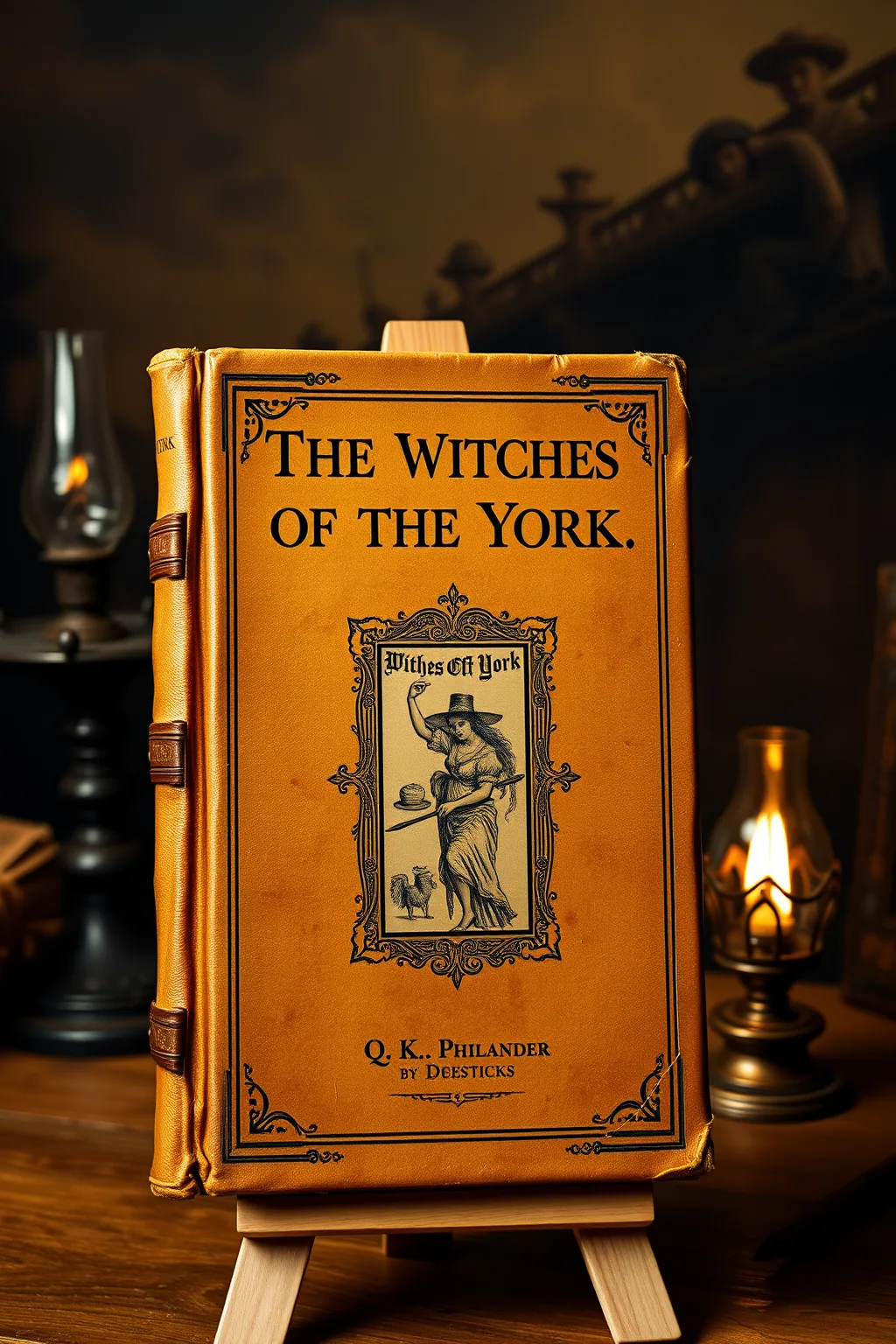
- The Witches of New York
 89
89

The Witches of New York
Published in 1859, The Witches of New York chronicles the city's occult scene.
Q. K. Philander Doesticks's 1859 work, The Witches of New York, pulls back the curtain on the spiritualist and fortune-telling circles of mid-19th century Manhattan. The book details the practices and personalities of those who claimed to communicate with spirits or predict the future, often with a satirical edge. Doesticks describes séances, phrenology readings, and various other methods employed by these practitioners, painting a vivid picture of a public fascinated by the unseen. While amusing, the text also touches on deeper questions about belief, perception, and the human desire to understand fate. It observes how these occult arts were woven into the fabric of everyday life for some New Yorkers, offering a glimpse into a specific cultural moment. The book serves as a curious record of popular spiritual and mystical interests during the era.
📝 About the book: The Witches of New York
The Witches of New York by Q. K. Philander Doesticks is a delightful and enigmatic journey into the mystical underbelly of 19th-century New York City. This esoteric gem blends humor and hidden knowledge to unveil the secret world of fortune-tellers, mystics, and occult practitioners who navigated the shadows of the bustling metropolis. The narrative is rich with symbolism and atmospheric detail, inviting readers to explore the hidden dimensions of human experience. For seekers of esoteric wisdom and those intrigued by the mystical arts, this book offers a philosophical exploration of the unseen forces that shape our lives. The Witches of New York is not just a humorous account of fortune-telling but a profound meditation on the nature of fate, destiny, and the occult sciences.
💎 Expert review
📖 Why choose
Why this book is worth reading
Why read The Witches of New York? This book is a rare blend of humor and esoteric wisdom, making it an ideal read for seekers, scholars, and practitioners of the mystical arts. It provides a unique glimpse into the occult practices of 19th-century New York City, offering valuable insights into the history and symbolism of fortune-telling. Whether you are a seasoned practitioner or a curious beginner, this book will enrich your understanding of the hidden dimensions of human experience.
⭐ Customer reviews
Customer rating
The Witches of New York is a hidden treasure in the annals of occult literature. Q. K. Philander Doesticks masterfully ties together humor and esoteric insight, creating a narrative that is as entertaining as it is enlightening. The book's exploration of fortune-telling and mystical practices in New York City offers a unique perspective on the occult traditions of the time. The author's wit and keen observation make this a must-read for anyone interested in the intersection of humor and the mystical arts. The Witches of New York is particularly valuable for scholars and practitioners seeking to understand the historical context of occult practices in America.
My book club chose this last month. The typesetting is comfortable for study, with good margins for notes. My only regret is not ordering it sooner.
Added this to my reference shelf. The text itself is dense but rewarding — you get out what you put in. A text you study rather than simply read. Definitely recommend.
First purchase from this shop. The text itself is dense but rewarding — you get out what you put in. It reads better in small doses — a chapter at a time with notes. Shipping was quick too.
Added this to my reference shelf. The text itself is dense but rewarding — you get out what you put in. I appreciated how the argument builds steadily from first principles. One of my better finds this year.
Arrived faster than expected and well packaged. The ideas are old but land with surprising force today. I appreciated how the argument builds steadily from first principles. Five stars from me.
My third book from this store and this one might be the best. Challenging in places, but never needlessly obscure. It pairs well with more modern commentaries on the same tradition. The font runs small in the appendices.
This edition finally does the material justice. Not a light read, but far more accessible than I feared. You can tell why this work has endured. The font runs small in the appendices. Still worth having on the shelf.
