- Catalog
- Books
- Freemasonry Secret Societies
- The symbolism of Freemasonry
 82
82

The symbolism of Freemasonry
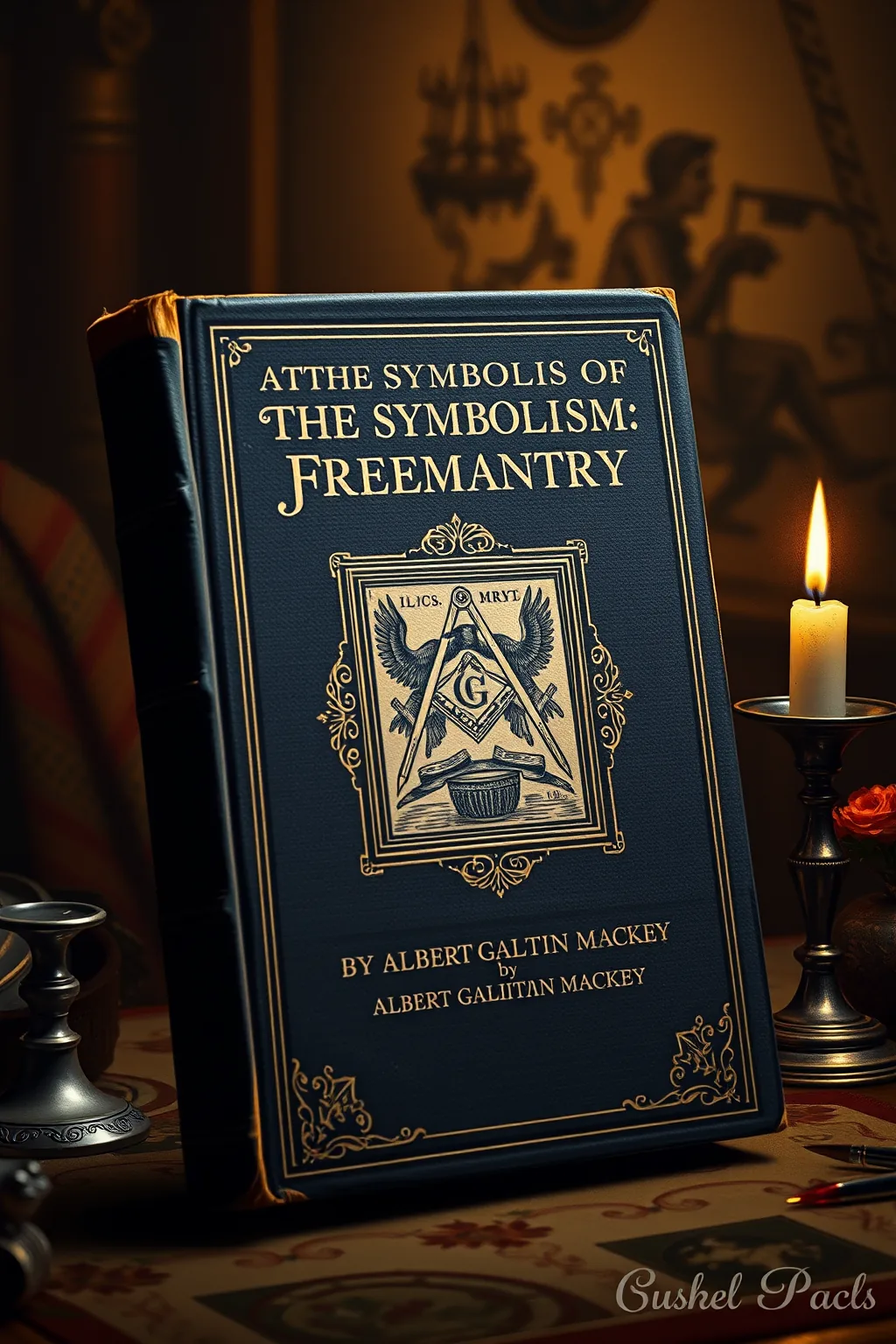
Albert Gallatin Mackey published 'The Symbolism of Freemasonry' in 1868, explaining its allegorical meanings.
Albert Gallatin Mackey's 1868 book, 'The Symbolism of Freemasonry,' examines the allegorical meanings embedded within Masonic rituals and traditions. Mackey, a prominent Masonic scholar, sought to illuminate the deeper philosophical and spiritual lessons communicated through Masonic symbolism. He connects these symbols to ancient mythologies, biblical narratives, and classical lore, asserting that they contain universal truths accessible through careful study. The work is structured around an interpretation of key Masonic symbols, such as the square, compasses, and various architectural elements. Mackey argues that these symbols are not mere decorations but are vehicles for moral instruction and spiritual development. The book aims to provide readers with a framework for understanding the esoteric dimensions of Freemasonry, moving beyond its surface-level practices to grasp its intended philosophical import.
📝 About the book: The symbolism of Freemasonry
Immerse yourself in the enigmatic world of Freemasonry with Albert Gallatin Mackey's 'The Symbolism of Freemasonry.' This profound exploration explores the mystical and esoteric underpinnings of Freemasonry, revealing the hidden knowledge and symbolism that have captivated seekers for centuries. Mackey's work is a wide range of philosophical significance, tying together mythology, legends, and folklore to create an atmosphere of deep contemplation and spiritual inquiry. Ideal for both the curious novice and the seasoned scholar, this book is a must-read for anyone seeking to unlock the secrets of one of the world's most enduring and mysterious traditions. Mackey's meticulous research and eloquent prose make 'The Symbolism of Freemasonry' an indispensable guide for those on the path to enlightenment.
💎 Expert review
📖 Why choose
Why this book is worth reading
Why read this book? 'The Symbolism of Freemasonry' by Albert Gallatin Mackey offers an outstanding journey into the mystical heart of Freemasonry. Ideal for seekers, scholars, and practitioners, this book provides clear insights into the symbolism and hidden knowledge that have fascinated generations. Whether you are a curious novice or an experienced Freemason, Mackey's work will enrich your understanding and deepen your appreciation for the craft.
⭐ Customer reviews
Customer rating
Albert Gallatin Mackey's 'The Symbolism of Freemasonry' is a masterful exploration of the esoteric dimensions of Freemasonry. Mackey's deep understanding of the subject matter shines through in his detailed analysis of the symbolism and hidden meanings within the craft. This book is a valuable collection of insights for those interested in the mystical and occult aspects of Freemasonry. The strength of this work lies in its ability to bridge the gap between historical context and spiritual significance, making it an essential read for both scholars and practitioners. Mackey's authoritative tone and thorough research ensure that 'The Symbolism of Freemasonry' stands as a pillar of esoteric literature.
Not my usual area but wanted to branch out. Some chapters demand a slow, careful read, and that's exactly the point. Great value for what you get.
My third book from this store and this one might be the best. Solid binding, decent paper — holds up to heavy use. Delivery took a bit longer than quoted. Good, with the caveats above.
Exactly what I was looking for. It reads better in small doses — a chapter at a time with notes. If you're drawn to this subject, don't hesitate.
Added this to my reference shelf. You can tell why this work has endured. The typesetting is comfortable for study, with good margins for notes. One of my better finds this year.
Perfect companion for my morning study sessions. The ideas are old but land with surprising force today. The typesetting is comfortable for study, with good margins for notes. One of my better finds this year.
Honestly wasn't sure what to expect, but I'm impressed. I appreciated how the argument builds steadily from first principles. It reads better in small doses — a chapter at a time with notes. Solid, if not essential.