- Catalog
- Books
- Occult Philosophy
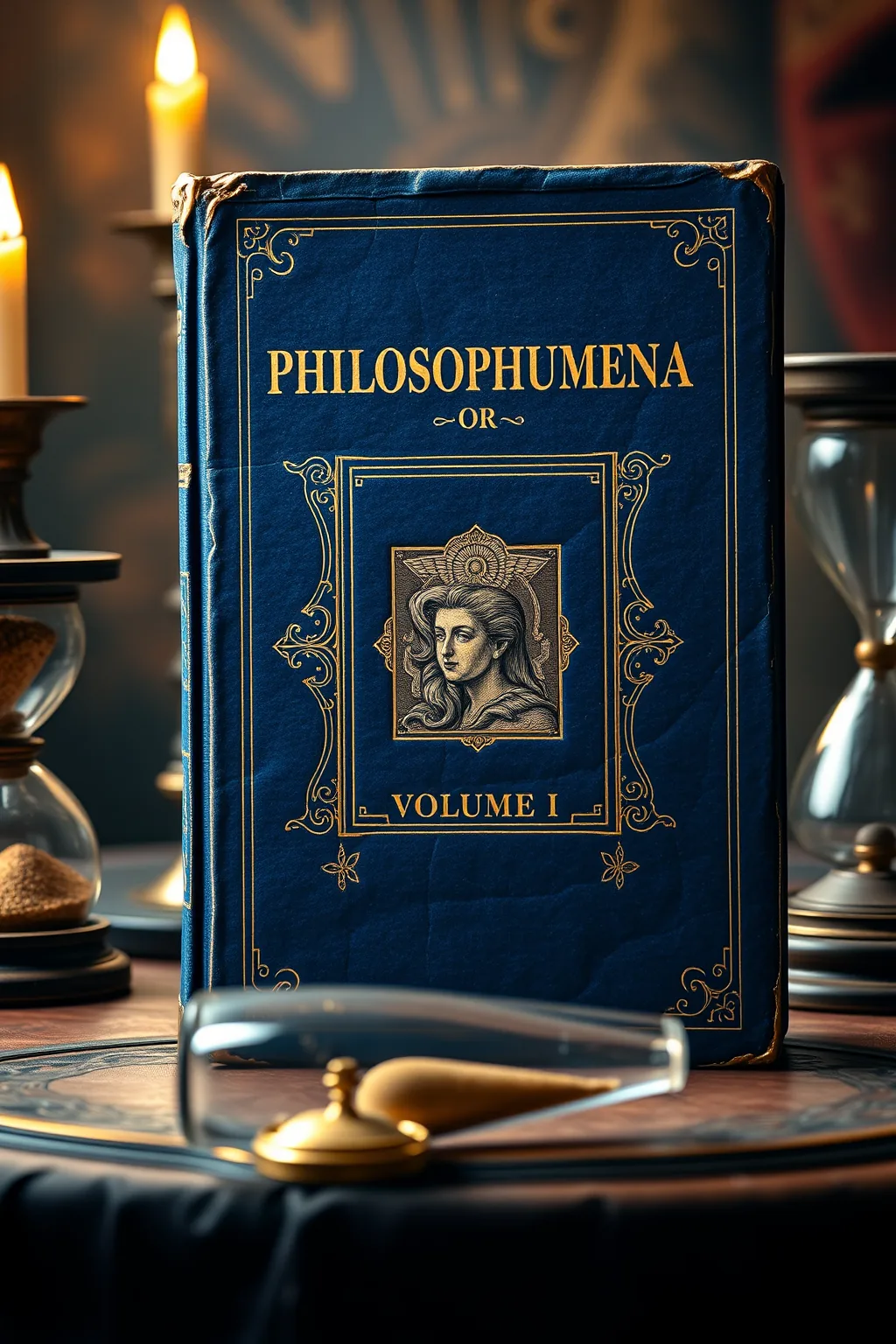
- Philosophumena; or, The refutation of all heresies, Volume I
 89
89

Philosophumena; or, The refutation of all heresies, Volume I
Hippolytus, writing in the early third century, compiled 'Philosophumena' to expose and refute early Christian heresies.
In 'Philosophumena; or, The Refutation of All Heresies, Volume I,' Hippolytus, an early Christian writer and antipope, meticulously details and critiques a range of beliefs he identified as heretical. He aims to establish the orthodox Christian position by systematically dismantling the theological and philosophical arguments of various groups. The text covers a spectrum of doctrines, including Gnosticism and other movements that diverged from what Hippolytus considered the true apostolic tradition. His work serves as a historical record of these diverse early Christian currents and the intellectual battles surrounding them. This volume is not merely a historical account; it represents an attempt to preserve the integrity of Christian doctrine as Hippolytus understood it. He confronts divergent philosophical systems that influenced these heresies, showing how they departed from what he saw as pure Christian teaching. Readers will find detailed examinations of the origins and tenets of these early dissenting groups.
📝 About the book: Philosophumena; or, The refutation of all heresies, Volume I
Explore the enigmatic world of early Christian heresies with 'Philosophumena; or, The Refutation of All Heresies, Volume I' by Hippolytus, Antipope. This important work is a profound exploration of mystical and occult philosophies that flourished in the shadows of the early Church. Hippolytus meticulously dissects various heretical doctrines, revealing hidden knowledge and symbolism that challenge the orthodox narratives of his time. The atmosphere of 'Philosophumena' is dense with esoteric insights, making it an invaluable resource for those seeking to understand the esoteric undercurrents of early Christianity. Ideal for scholars, spiritual seekers, and practitioners of the occult, this text offers a philosophical significance that transcends mere historical analysis. It invites readers to question the boundaries of accepted belief and to explore the mystical dimensions of religious thought.
💎 Expert review
📖 Why choose
Why this book is worth reading
Why read this book? 'Philosophumena' provides a rare glimpse into the hidden beliefs and practices of early Christian heresies. It is ideal for seekers of esoteric knowledge, scholars of religious history, and practitioners of the occult. This text offers a deep philosophical significance that challenges conventional understanding and invites readers to explore the mystical dimensions of religious thought.
⭐ Customer reviews
Customer rating
'Philosophumena; or, The Refutation of All Heresies, Volume I' by Hippolytus, Antipope, is a central to esoteric literature. This work stands out for its deep dive into the heretical movements that shaped early Christianity. Hippolytus' detailed refutations are not merely academic exercises but are imbued with a sense of hidden knowledge and symbolism that speaks to modern seekers of the occult. The book's strength lies in its ability to uncover the mystical threads that tie through these heresies, offering readers a unique perspective on the esoteric traditions of the time. This text is essential for anyone interested in the occult philosophy of the early Church.
I've read excerpts online before, but having the full text is different. It rewards patience more than any book I've bought this year. Five stars from me.
Needed this for my research. There's real depth here that reveals itself on a second reading. Deserves a place on any esoteric bookshelf.
This exceeded my expectations. Some chapters demand a slow, careful read, and that's exactly the point. Great value for what you get.
This has been on my wishlist for months. Plenty of passages worth underlining; my copy is already full of margin notes. Highly recommend to serious students.
Arrived faster than expected and well packaged. It connects ideas I'd only seen treated separately elsewhere. The text itself is dense but rewarding — you get out what you put in. Good, with the caveats above.